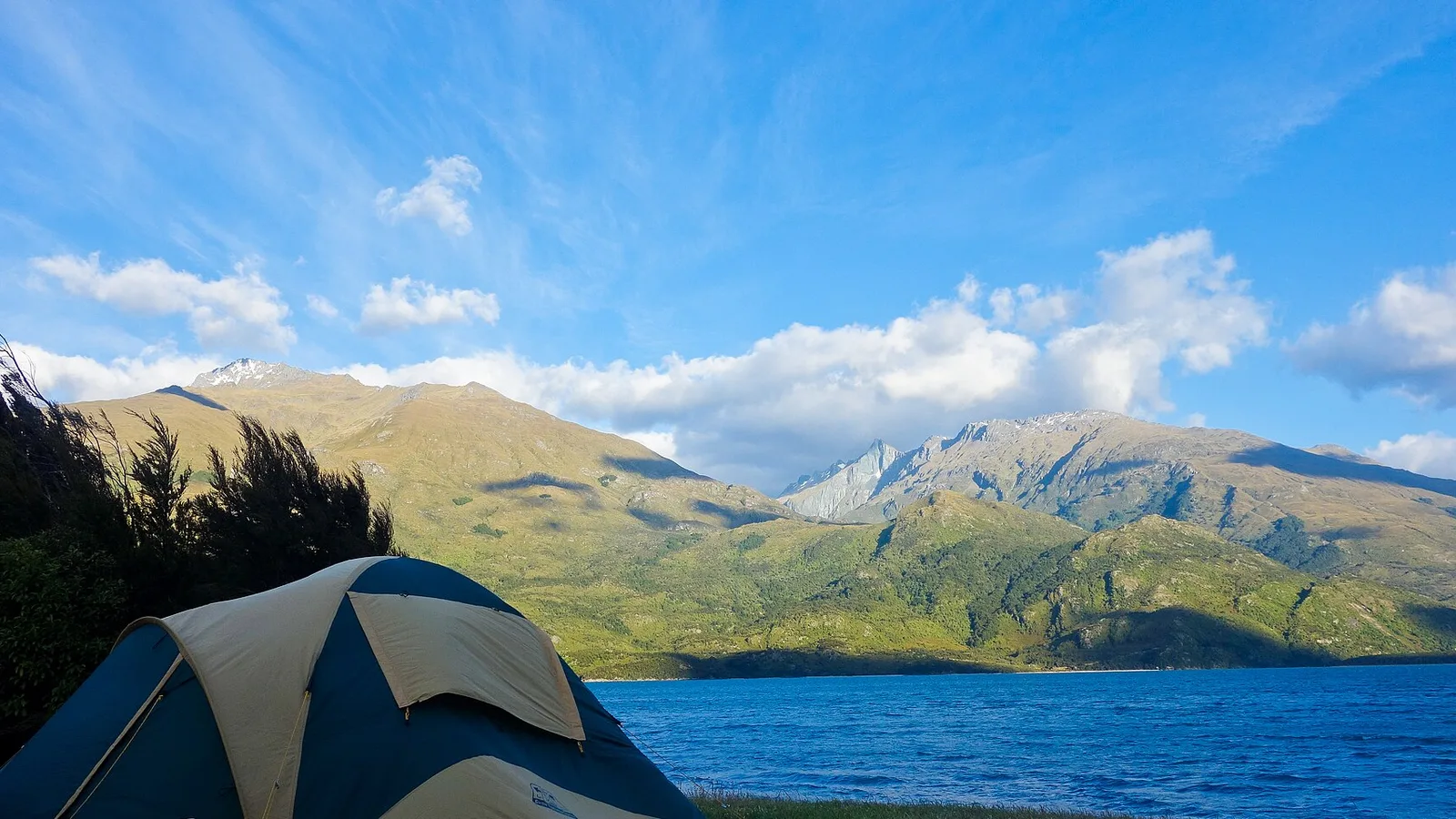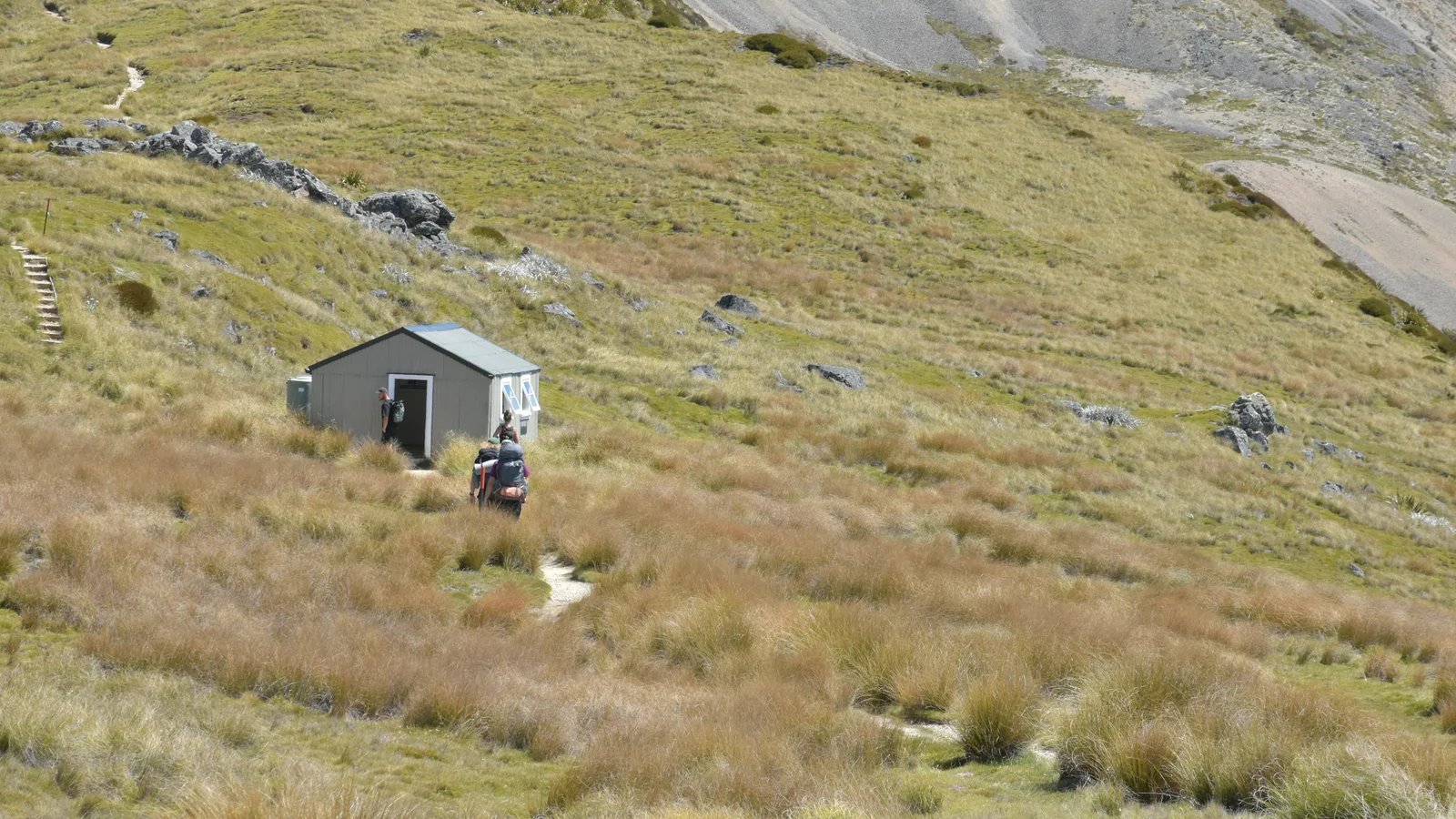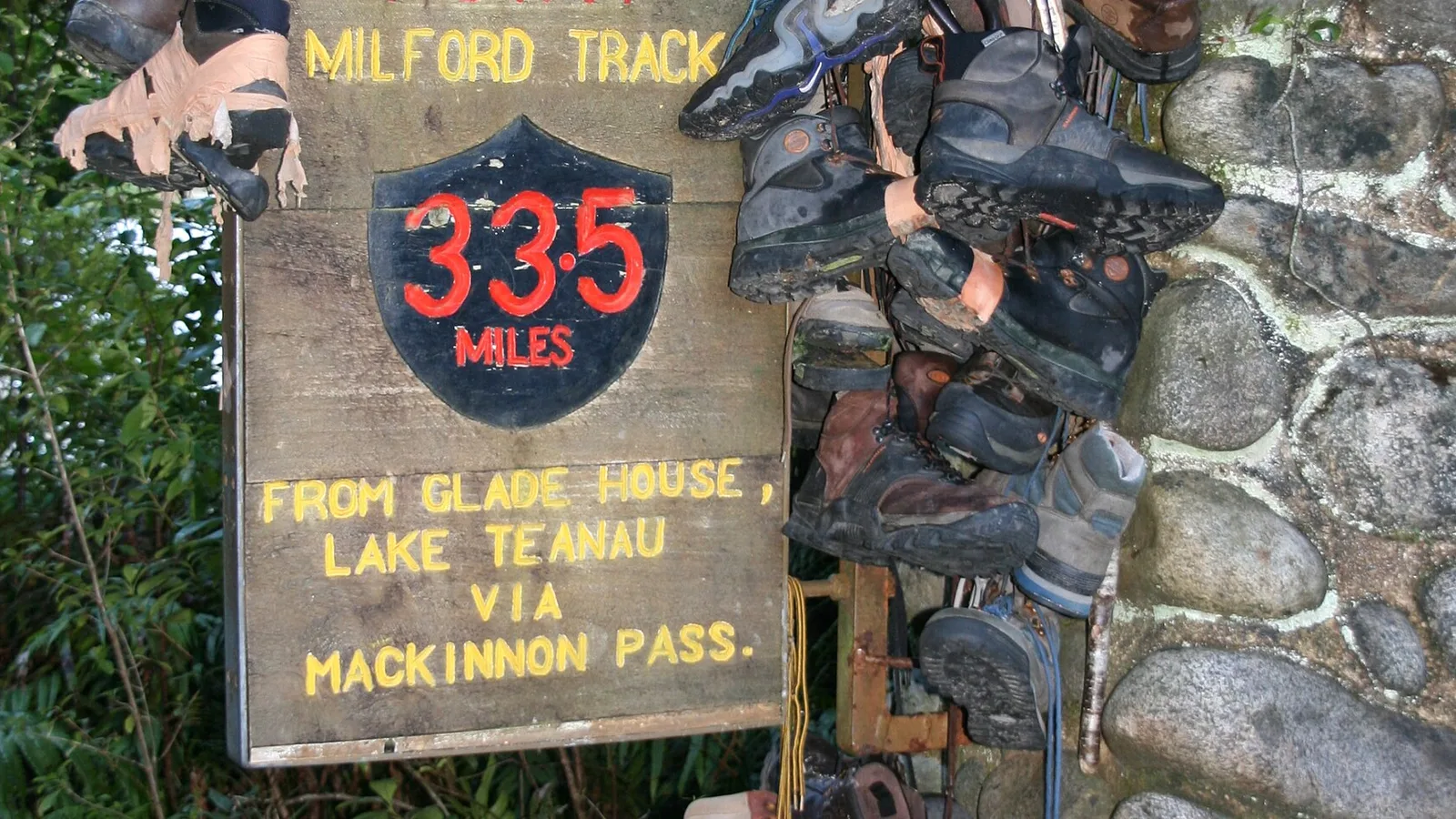
Used outdoor equipment can carry seeds, soil, insects and aquatic pests. Biosecurity starts at the border and continues when gear moves between New Zealand ecosystems.
Declare on arrival
Declare used boots, tents, fishing equipment, food, plant material and animal products when required by the New Zealand Traveller Declaration. A declaration lets officers assess and clean items; concealment creates the risk and penalty.
Pack gear where it can be inspected easily. Scrub soil and plant material before flying, but still declare the item when the question applies.
Clean between places
Check, clean and dry boats, waders, paddles and fishing gear before another waterway. Microscopic pests survive in moisture that appears harmless.
Brush seeds and mud from tyres, pegs and walking gear before changing catchments. Use local wash stations where supplied.
Do not improvise disposal
Never release bait, aquarium water, food plants or untreated wash water into the environment. Use rubbish and wastewater systems designed for the material.
Follow regional pest-control notices and temporary rāhui. Local restrictions may protect a species or place beyond the national minimum.
Declare everything at the border
New Zealand's biosecurity regime is among the strictest anywhere and instant fines apply for undeclared risk goods. Used hiking boots, tents, camping equipment, bicycles and anything that has been in soil or fresh water must be declared, and food of almost any kind must be declared.
Declaring costs nothing and takes a minute. The officer may inspect and clean the item and send you on your way. Failing to declare is what produces the fine, not the item itself, and the distinction catches out a lot of well-meaning visitors.
- Declaring is free, not declaring is fined
- Used boots and tents must be declared
- All food must be declared
Clean gear before you pack it
Arrive with boots scrubbed free of soil, tents dry and free of seeds and insects, and any water-contact equipment cleaned and dried. Gear that arrives visibly dirty is more likely to be held for treatment, which can mean collecting it later or losing it.
Check pockets and stuff sacks for seeds, leaf litter and dried mud. A tent packed damp in another country frequently arrives with a colony of something, and it is easier to deal with at home.
Check, Clean, Dry between waterways
Didymo and other freshwater pests move on damp gear between catchments. The requirement applies to boots, waders, tents, fishing equipment, paddleboards and anything else that has been in fresh water, and it applies within New Zealand as much as at the border.
Clean thoroughly, then dry completely and leave it dry for at least 48 hours before entering another waterway. Where drying is not practical, use the recommended treatment solutions instead.
- Applies within New Zealand, not just entry
- Dry for 48 hours before the next waterway
- Covers boots, tents and boards
Moving between islands and regions
There are internal controls too. Ulva Island, Rakiura and other predator-free sanctuaries require you to check bags for rodents and seeds before boarding, and the checking stations at the wharves are not a formality. A single rat reaching an island undoes decades of work.
Fruit fly and other regional controls occasionally restrict moving fresh produce within the country. Where a control area is in force it is signed and publicised, and the rules apply to a campervan fridge as much as to a truck.
Why the rules are this strict
New Zealand's native species evolved with no land mammals and almost no defences against them. Introduced predators, weeds and diseases have already caused extinctions, and the border controls exist because the country is still losing species to things that arrive in luggage.
Foot and mouth, fruit fly and myrtle rust are the incursions with the largest economic and ecological consequences, and each has been intercepted at the border more than once. The inspection you find inconvenient is the reason those interceptions happen.
The process is quick and officers are helpful when you declare. The penalty is for concealment rather than for owning muddy boots, and the difference is entirely in whether you tick the box.
Leaving the country again
Some items you acquire here cannot leave, and others need paperwork. Anything made from protected species, greenstone taken from certain areas, and some plant material all carry restrictions worth checking before you pack.
Australia in particular has its own strict border rules, so gear that arrives here muddy will face the same scrutiny on the way out. Clean everything again before the return flight.
- Check restrictions before taking items out
- Australia is equally strict inbound
- Clean gear again before flying home
Luoghi lungo il percorso
Controlla prima di partire
Regole e condizioni cambiano. Prima di partire ricontrolla la fonte ufficiale e la pagina del tuo parco o campeggio specifico.
Domande frequenti
What camping gear has to be declared at the New Zealand border?+
Tents, boots, hiking poles, bikes and anything else that has touched soil or fresh water overseas, along with food, seeds and wooden items. Declaring costs nothing; failing to declare carries an instant fine.
How should you prepare gear before flying to New Zealand?+
Clean it before you pack. Soil removed from boots and tent pegs at home, and a bike or a pack dried and brushed, is the difference between a two-minute inspection and having your gear treated or confiscated.
Portala in viaggio
Salva le tappe. Pianifica tutto il viaggio.
Costruisci un percorso ordinato dai luoghi salvati, calcola la distanza e tieni collegate date, note e cose da fare.