Since 7 June 2026, only a vehicle with a green warrant counts as self-contained in New Zealand. Blue warrants stopped counting that day, and a van with a portable toilet never qualified for the green one. That leaves a lot of travellers without certification: people in cars and station wagons, older home-built vans, and anyone who hired a cheaper non-self-contained campervan. You can still have a good road trip without a green warrant. It just means planning each night around the places that take you, rather than the roadside spots built for certified vehicles. The council sites below are from each council's bylaw and freedom camping page as summarised in our council guides, checked in October and November 2026.
Check what you are actually driving
A certified self-contained vehicle displays a green warrant card, issued after an inspection of its fixed toilet, fresh water, wastewater and rubbish systems. If your vehicle has no green card, or only a blue sticker from before 7 June 2026, treat it as not self-contained. A toilet you can lift out does not count, however good it is.
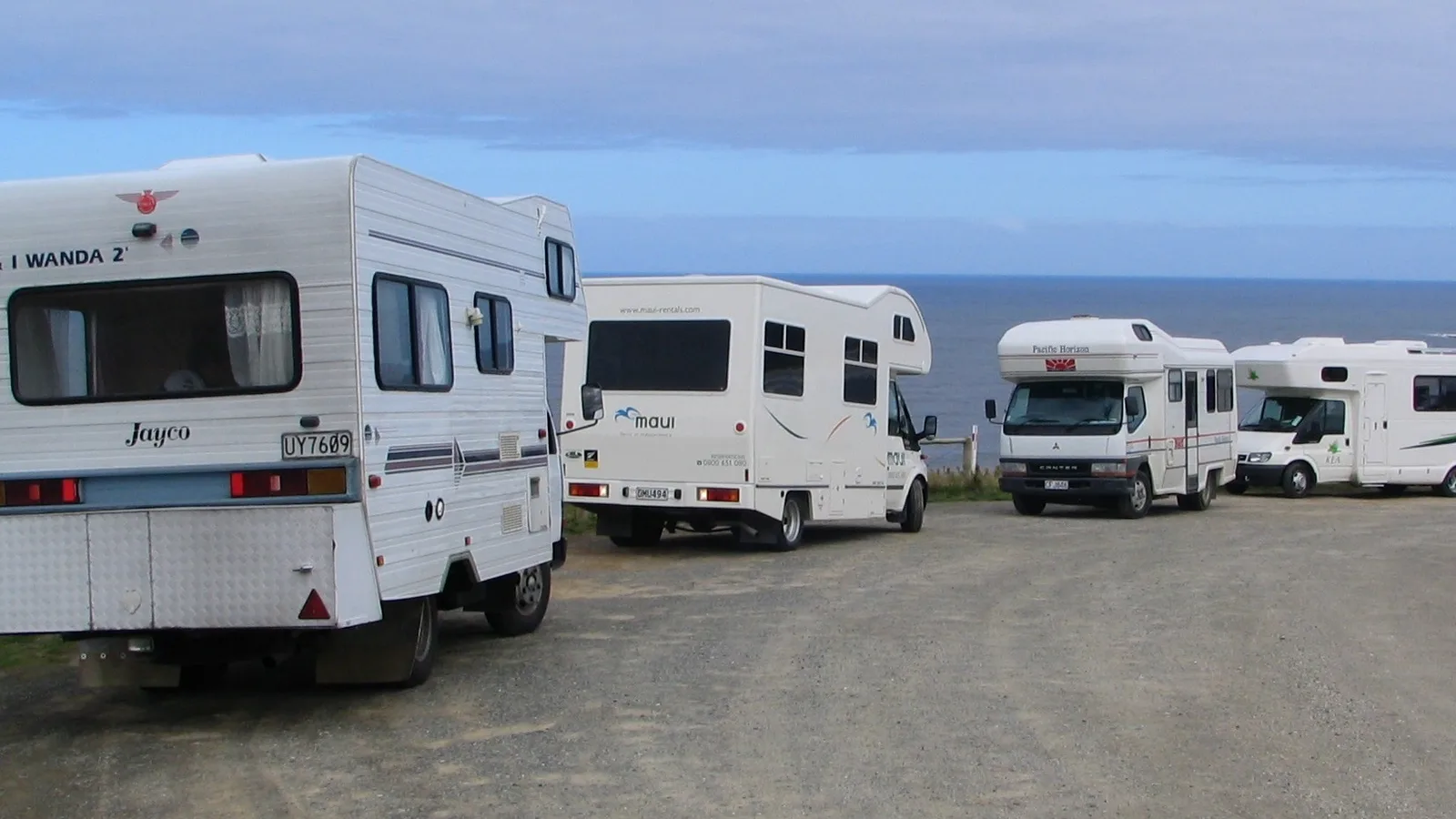
Hire campervans come both ways, and the non-self-contained ones are usually the cheaper models without a built-in toilet. Look for the green warrant card in the window or ask at pick-up before you plan any free nights. If it is not certified, plan every night around the places below.
- Green warrant card on display, or not certified
- Blue stickers stopped counting on 7 June 2026
- Ask the hire company at pick-up
Your options, from cheapest to most reliable
Free basic DOC campsites come first: a toilet, a flat place to park and no fee, first come, first served. Then come council sites a bylaw names for vehicles that are not self-contained, open conservation land where DOC has not restricted camping, standard DOC campsites at about $10 to $20 an adult a night, private land where the owner says yes, and holiday parks and council-run camping grounds, which take any vehicle and have showers and kitchens.
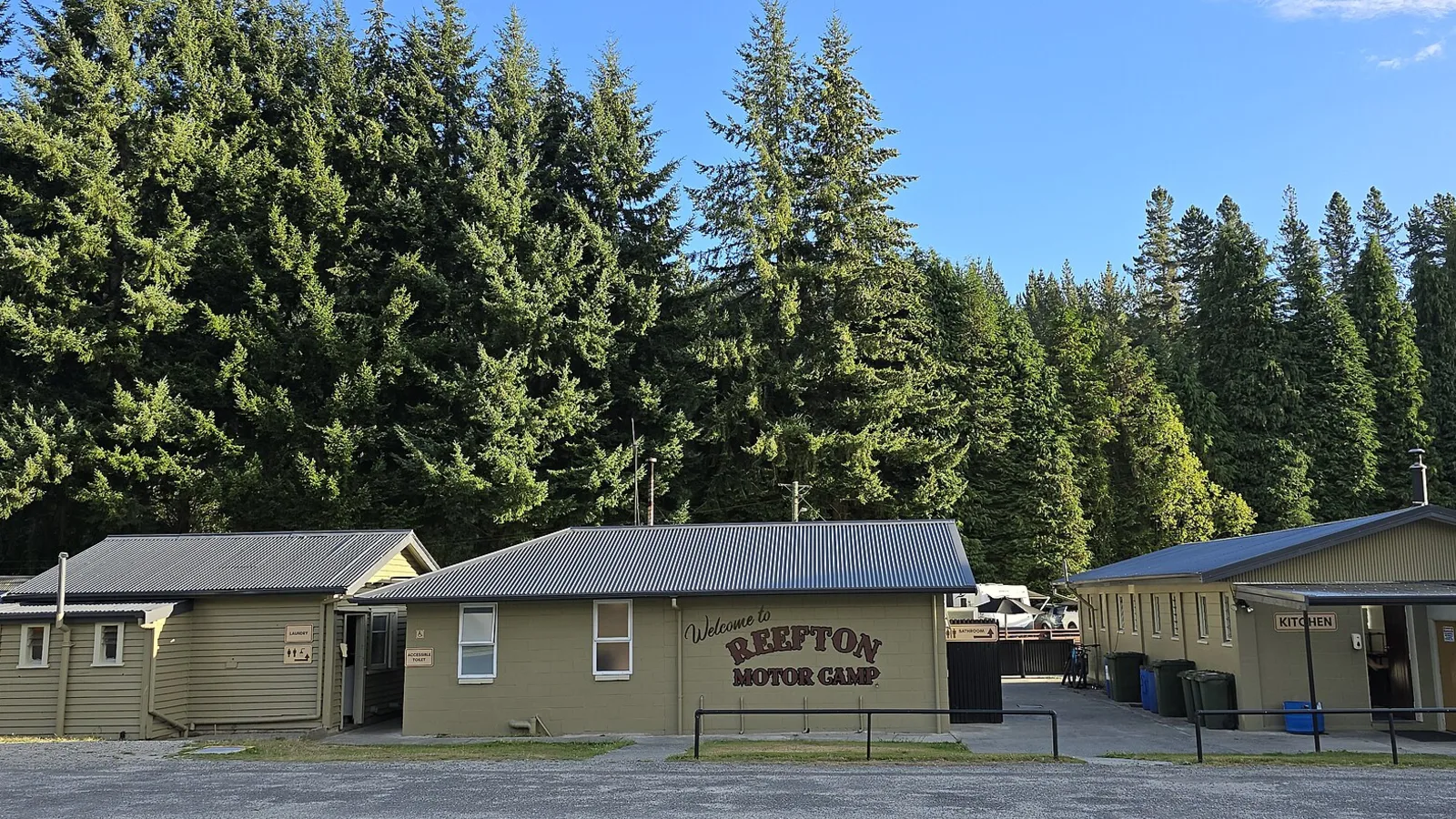
The freedom camping rules matter only on public land. A campground, a holiday park, a paid DOC campsite or private property with the owner's permission is not freedom camping, so the green warrant rule does not apply there at all. That is why most uncertified trips settle into a rhythm of DOC campsites most nights and a holiday park every few days for a shower and laundry.
- Basic DOC campsites are free
- Campgrounds and private land: no warrant needed
- A holiday park every few nights
Turn the stops into a trip
Council sites that take vehicles without certification
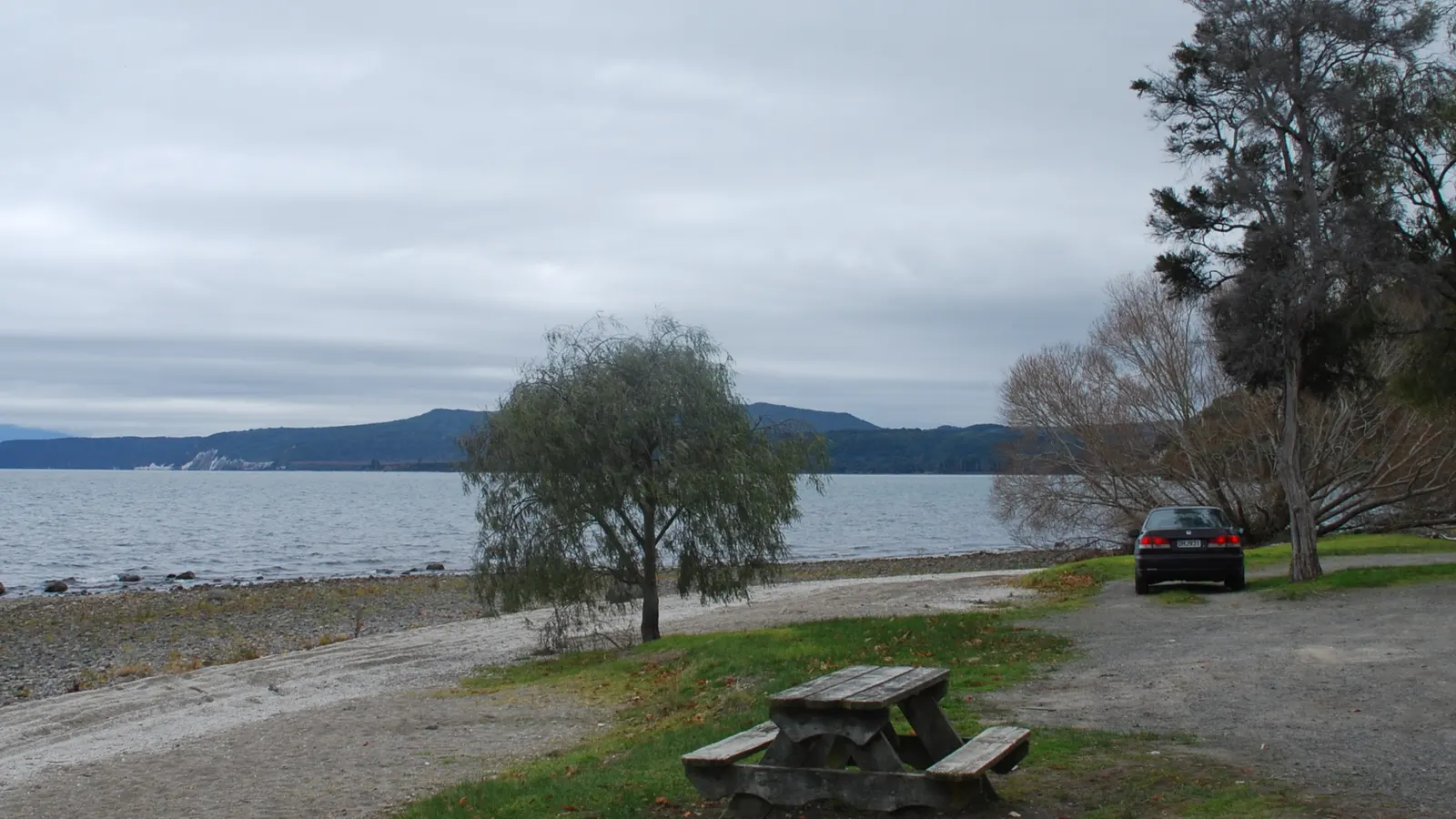
On council land a vehicle without a green warrant can stay only where a bylaw names the place for it, and most councils on the main tourist routes name none. A few do. Whangārei lists 17 sites for vehicles without certification, the most of any council we have checked. Tasman names three: Motueka Beach Reserve, Alexander Bluff Road Reserve at Ngātīmoti and Fittal Street in Richmond. Dunedin names Warrington Domain, Ocean View Recreation Reserve and the Thomas Burns Street car park, which is open to them from 1 November to 30 April.
New Plymouth has two six-space sites at Lake Rotomanu and Battiscombe Terrace in Waitara, each with a one-night limit in 30 days. Whakatāne allows them at Aniwhenua Reserve near Murupara for up to seven nights in four weeks, Central Hawke's Bay at Pourerere Beach Road and Te Paerahi Beach, and Southland at Dunsdale, Monkey Island at Orepuki and Thornbury. Each comes with its own limits, so read the council page before you drive there.
| Council | Sites for vehicles without certification |
|---|---|
| Whangārei | 17 listed sites |
| Whakatāne | Aniwhenua Reserve, up to 7 nights in 4 weeks |
| Central Hawke's Bay | Pourerere Beach Road and Te Paerahi Beach |
| New Plymouth | Lake Rotomanu and Battiscombe Terrace, 6 spaces each, 1 night in 30 days |
| Tasman | Motueka Beach Reserve, Alexander Bluff Road Reserve, Fittal Street |
| Dunedin | Warrington Domain, Ocean View Recreation Reserve, Thomas Burns Street (1 November to 30 April) |
| Southland | Dunsdale, Monkey Island (Orepuki), Thornbury |
| Auckland, Thames-Coromandel, Queenstown Lakes, Christchurch, Westland | None: use a campground |
- Only named council sites count
- Most tourist councils name none
- Night limits apply at every site
DOC land and DOC campsites
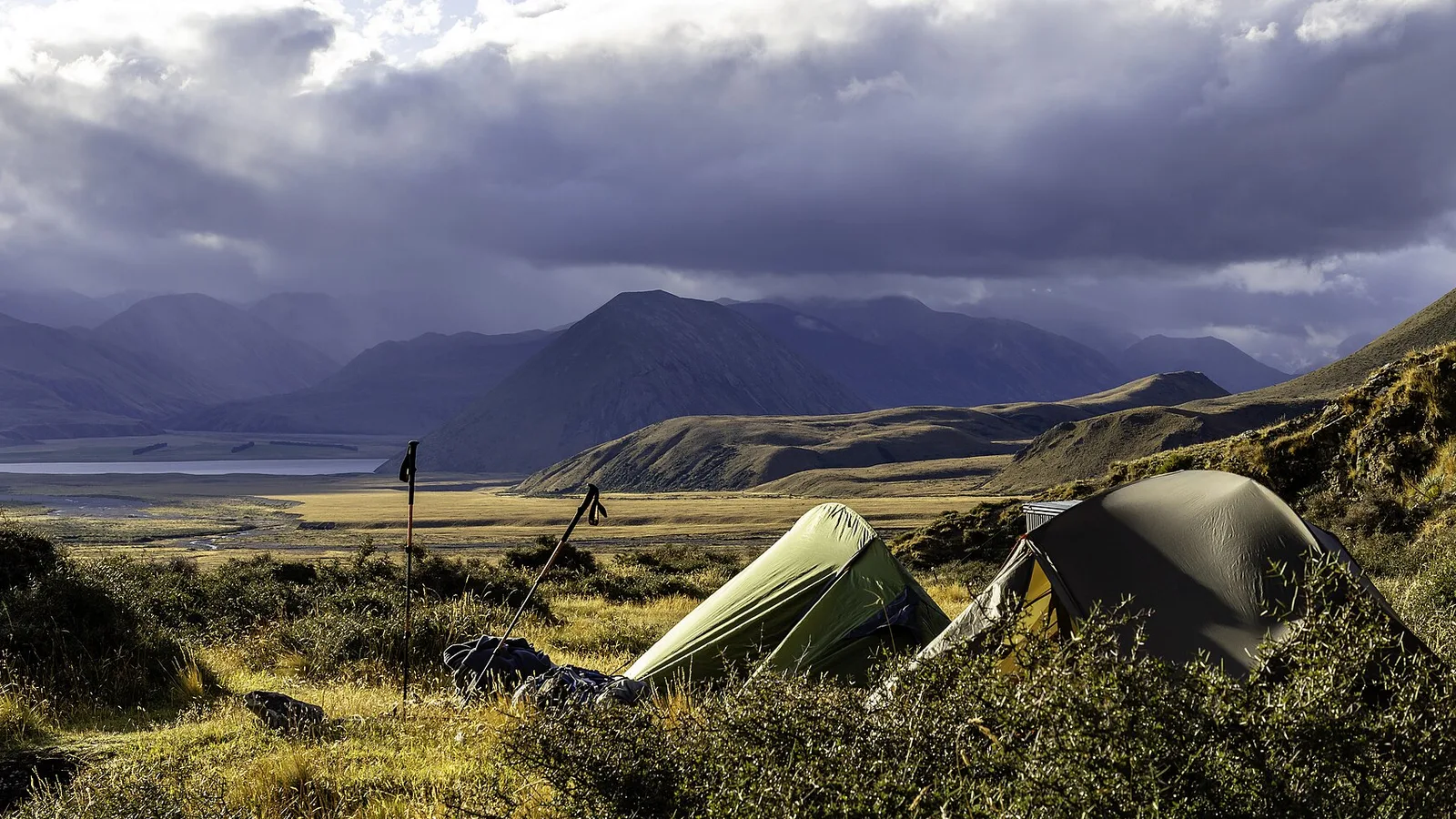
Conservation land is kinder to uncertified vehicles. Under section 15 of the Freedom Camping Act, freedom camping on public conservation land is allowed unless a DOC notice restricts or prohibits it, and a notice that limits a site to self-contained vehicles is the exception rather than the rule. A few restricted sites even name uncertified vehicles, such as Quailburn and Round Bush in Canterbury, at four nights a month.
DOC-administered scenic and recreation reserves are closed to camping outside designated campsites, and DOC lists its prohibited car parks district by district, so check the notice for the exact place. For most nights, a DOC campsite is simpler. In KiwiCamping's DOC data from August 2026, 150 DOC campsites listed campervan access and 63 listed no fee; on a long trip the DOC Campsite Pass can cut the cost of the paid ones.
- Open conservation land allows any vehicle
- Reserves only at designated campsites
- 150 DOC campsites list campervan access
What a trip costs without a green warrant
The difference is mostly the nights you cannot spend free. Holiday parks publish unpowered sites at about $20 to $26 an adult and powered sites at roughly $50 to $75 a night for two in summer. Standard DOC campsites are about $10 to $20 an adult and basic ones are free, so two people mixing DOC campsites with a holiday park every third night spend far less than they would at holiday parks alone.
A non-self-contained hire is usually cheaper per day than a certified one, so the saving on the vehicle often covers the campsite fees. Work it out for your own route before you choose. Our camping fees guide has current prices for each kind of site, and a powered site is worth paying for when you need to charge a fridge or a heater on a cold night.
- Unpowered holiday park sites: $20 to $26 an adult
- Standard DOC campsites: $10 to $20
- Mix DOC nights with a holiday park
Planning nights by region
The North Island is the easier half. Whangārei, Whakatāne, Central Hawke's Bay and New Plymouth all name council sites, and Northland, the Coromandel and the central North Island have plenty of DOC campsites. Auckland and Thames-Coromandel's council land is closed to you, so plan those nights at campgrounds or DOC campsites.
In the South Island, the most visited districts, Queenstown Lakes, Westland and Christchurch, name no council sites for uncertified vehicles, so lean on DOC. Canterbury's high country, the West Coast, Otago and Southland have a dense spread of DOC campsites, many with campervan access, and Tasman and Dunedin have their named sites. Book holiday parks ahead around Queenstown and Wānaka in January, when they fill.
- North Island: more council sites
- South Island: plan around DOC campsites
- Book Queenstown holiday parks for January
Fines and what does not count as camping
Using a vehicle that is not self-contained where the rules require one is a $400 infringement, the same as camping where a bylaw prohibits it. A missing warrant card on land restricted to self-contained vehicles costs $200, and damage or dumped waste costs $800. Councils and DOC enforce the rules most heavily over summer, at night and early in the morning.
Pulling over to rest when you are too tired to drive safely is not freedom camping under the Act, and you should always stop rather than push on. But a planned night in a car park is camping, whatever you call it. Our guide to sleeping in your car covers that line, and the emergency and housing exceptions, in detail.
- $400 for an uncertified vehicle where it is required
- Resting to avoid fatigue is allowed
- A planned night is camping
Should you get certified instead?
If you own the vehicle and plan to travel for months, certification can pay for itself in free nights. A green warrant needs a toilet permanently fixed inside the vehicle, fresh water, a sink draining to a wastewater tank, ventilation and secure rubbish storage, enough for three days, inspected under the national scheme run by the Plumbers, Gasfitters and Drainlayers Board. Many small vans simply do not have room for a fixed toilet.
For a short trip or a hire, it rarely makes sense. Choose a certified campervan from the start if free roadside nights matter to you, or plan an uncertified trip around DOC campsites and campgrounds, which is how many travellers see the country anyway. Our green warrant guide covers the certification rules and costs.
Planning uncertified nights in KiwiCamping
KiwiCamping, the iPhone app we make, lists DOC's campsites with their fees, campervan access, booking requirements and dog rules, and DOC's freedom camping notices by district, so you can see where an uncertified vehicle can stay on conservation land. Filter by cost to find free and cheap DOC campsites, add holiday parks, and save them into a trip with dates, notes and the route distance between stops.
Out of signal you still have the saved place details, though the map, routes, weather and photos load only with a connection. The app does not include council bylaw maps, so check the council's page for its named sites, and treat the sign at the entrance as the final word. It runs on any iPhone with iOS 26 or later.
- DOC campsites with campervan access
- DOC freedom camping notices by district
- Save nights into a dated trip
Places along the way
Check before you go
Rules and conditions change. Recheck the official source and the page for your exact park or campground before departure.
- Freedom Camping Act 2011 (New Zealand Legislation)
- Freedom Camping (Penalties for Infringement Offences) Regulations 2023
- DOC: freedom camping
- DOC: conservation areas where freedom camping is prohibited or restricted
- Whangarei District Council: freedom camping
- Tasman District Council: responsible camping
- Dunedin City Council: freedom camping
- DOC places to stay
Common questions
Where can I camp without a self-contained vehicle in New Zealand?+
At DOC campsites, holiday parks and campgrounds, on private land with the owner's permission, on conservation land DOC has not restricted, and at the few council sites a bylaw names for uncertified vehicles, such as Whangārei's 17 sites and Dunedin's Warrington Domain.
What is the fine for camping in a vehicle that is not self-contained?+
$400, where the rules require a certified self-contained vehicle. Failing to display a warrant card on land restricted to self-contained vehicles is $200, and damaging the area or leaving waste is $800.

Plan the drive
Save the stops. Plan the whole trip.
Free to download. BookIt holiday parks and tours are free to browse and book; DOC campsites, huts, dump stations, the in-app guides and trip planning need the Premium pass.
KiwiCamping is an iPhone app. There is no Android version.