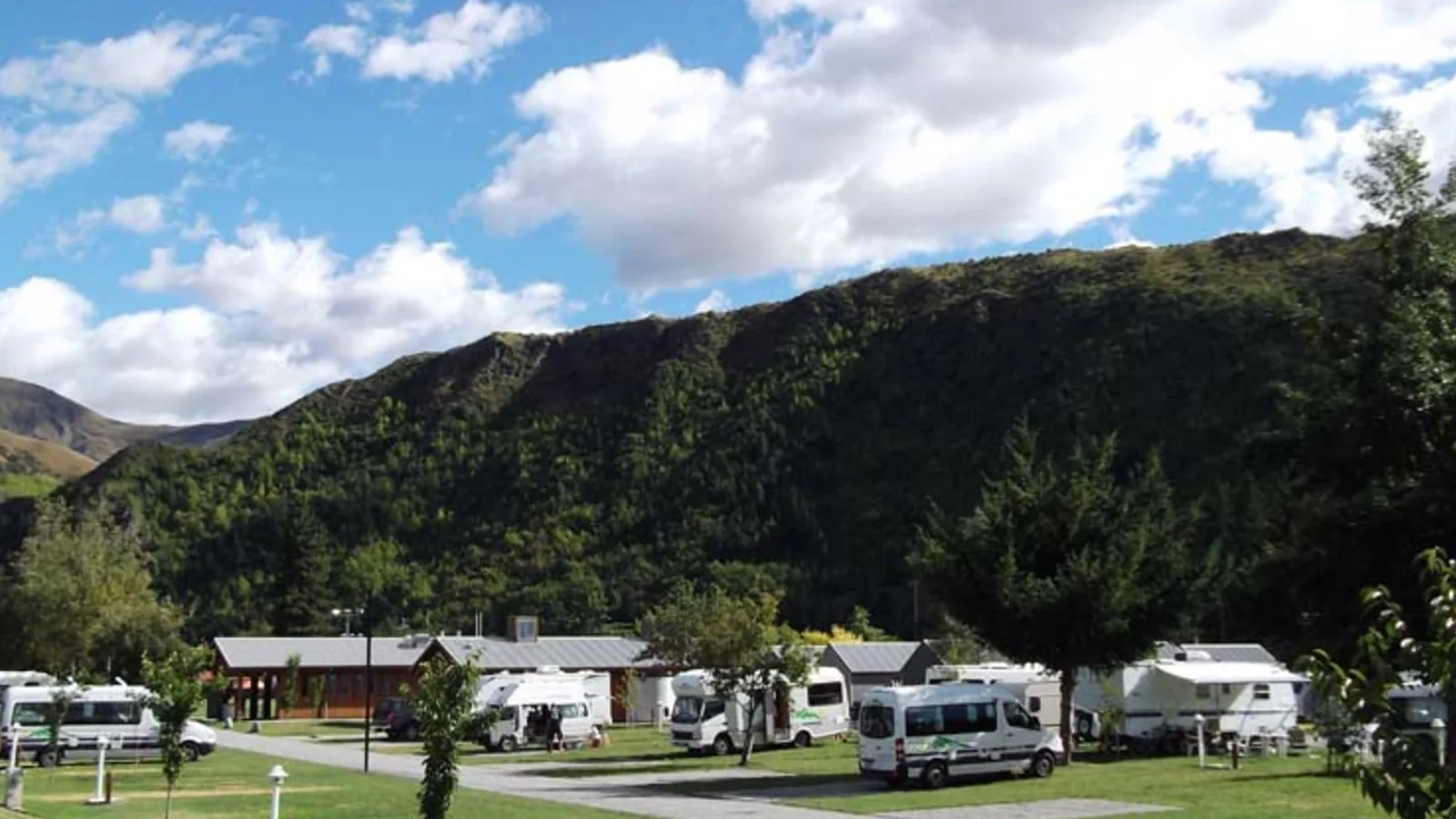
Holiday parks fill the gap between a basic campsite and a hotel, and they earn their place on a trip at very specific moments: after several wet nights, before an early ferry, or whenever laundry, power and a dependable hot shower matter more than solitude. Booking one well is mostly a matter of comparing the right things.
Understand how the rate is built
Holiday parks price in three different ways and the comparison collapses if you mix them up. Some charge per person, some per site with a stated occupancy, and some quote a base rate with additional guests charged separately. A $45 site for two and a $28-per-person rate are the same price for a couple and very different for a family of five.
Then check what is bundled. Power, linen, kitchen equipment, showers, Wi-Fi and booking fees vary between parks, and a cabin quoted without linen is not comparable to one that includes it. Work out the total for your actual party and nights before deciding anything.
- Compare per-person against per-site
- Check whether linen is included
- Include booking and card fees
Book the vehicle you are actually bringing
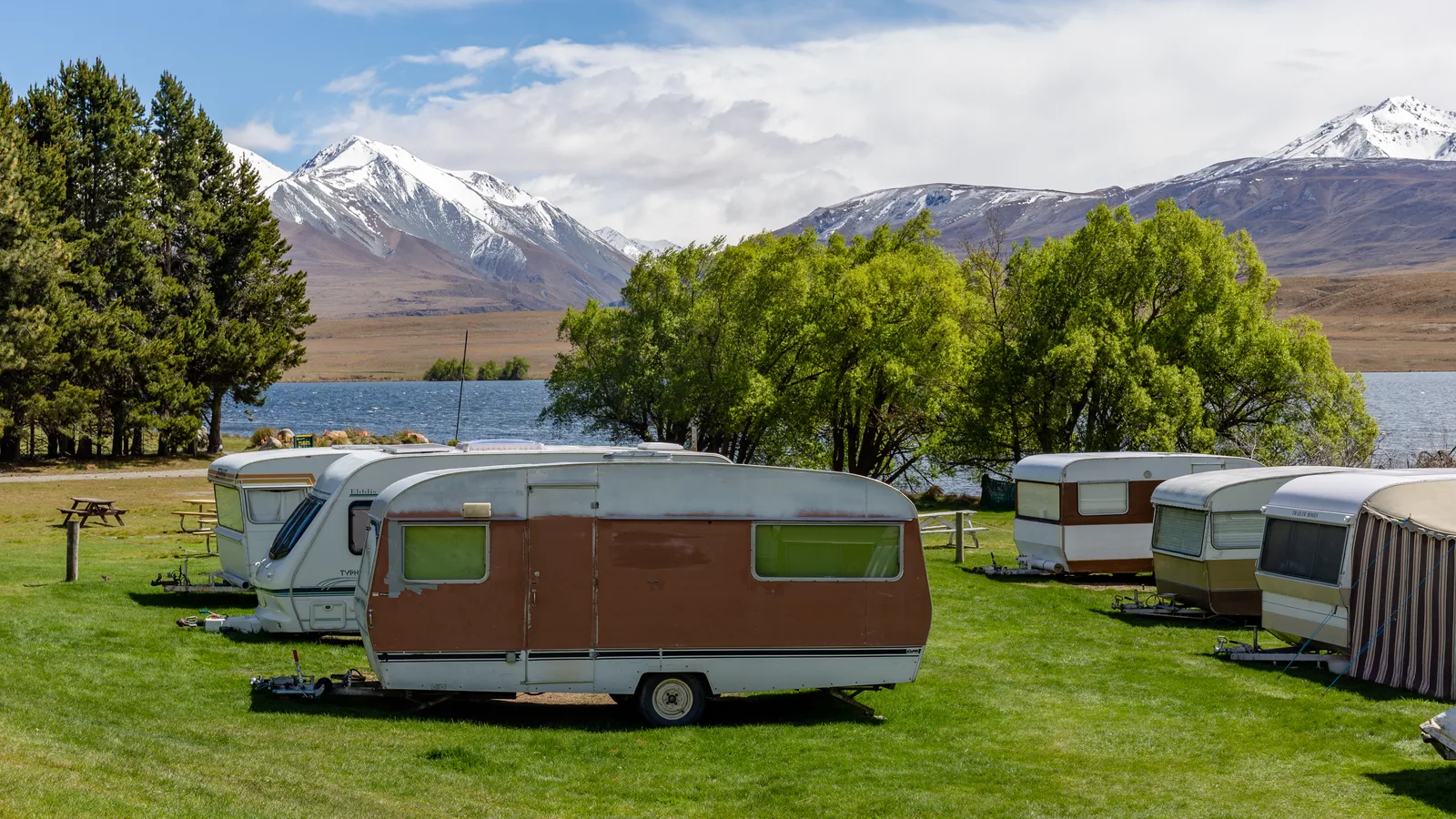
Site dimensions matter more than travellers expect. A long motorhome, a caravan with an awning or a vehicle towing a trailer needs a site that physically fits, and parks allocate by the length you declared. Under-declaring produces an awkward conversation at check-in and sometimes no site at all.
Say whether you need drive-through access, power, and proximity to amenities if anyone in the party has mobility needs. These are easy to arrange in advance and nearly impossible to fix on a full Saturday in January.
Peak season changes the rules
Between Christmas and late January, plus Easter and school holidays, popular coastal parks operate on minimum stays, higher rates and non-refundable terms. Some take bookings a year ahead for the best sites. If your route passes through a beach town in that window, book it as early as you book the ferry.
Local events compress availability just as hard and with less warning, a regional sports tournament or a concert can fill every park in a district. Where dates are uncertain, pay for refundable terms and note the cancellation deadline against the trip stop rather than trusting memory.
- Book beach towns very early
- Watch for local events
- Note cancellation deadlines
Arriving after hours
Most parks close reception in the evening, and a long driving day frequently ends after that. Ask for the late-arrival procedure when you book: many leave an envelope with a site number and a gate code, but you need to know that before you are standing at a locked barrier at 10pm with no reception.
Confirm the gate arrangement for vehicles too. Some parks close a boom gate overnight, which matters if you have an early ferry or a dawn start planned.
Use the facilities deliberately
A holiday park night is worth most when you use what you paid for. A communal kitchen saves gas and keeps cooking smells out of a small van, the laundry resets a week of damp clothing, and the dump station and potable water taps let you leave with full tanks and empty ones in the right order.
Learn the layout before connecting anything: never fill drinking water from a tap near the dump point, and ask which taps are potable, because not all of them are. Rinse and stow hoses separately, and wash your hands after handling waste equipment.
- Never fill water near the dump point
- Ask which taps are potable
- Keep hoses separate
Shared space, shared rules
Quiet hours are enforced, and holiday parks are dense environments where sound carries between sites. Keep site boundaries, supervise children around internal roads and pools, and check the pet policy before arriving with a dog, many parks restrict animals entirely in peak season.
Secure valuables as you would anywhere with public access. A holiday park is convenient and generally safe, but it remains a busy site with vehicles moving through it all day.
Places along the way
Check before you go
Rules and conditions change. Recheck the official source and the page for your exact park or campground before departure.
Common questions
What is the difference between a holiday park and a campsite?+
A holiday park is a commercial site with powered sites, showers, kitchens, laundry and usually cabins, priced per site or per person. A DOC campsite is public conservation land with far fewer facilities and a much lower fee.
Is it worth joining a holiday park membership scheme?+
It depends how many nights you will spend in one. The discount schemes run by the main chains generally pay for themselves within a handful of nights, which suits a long trip and rarely suits a weekend.
Take it on the road
Save the stops. Plan the whole trip.
Build an ordered route from saved places, calculate the distance and keep dates, notes and to-dos attached.