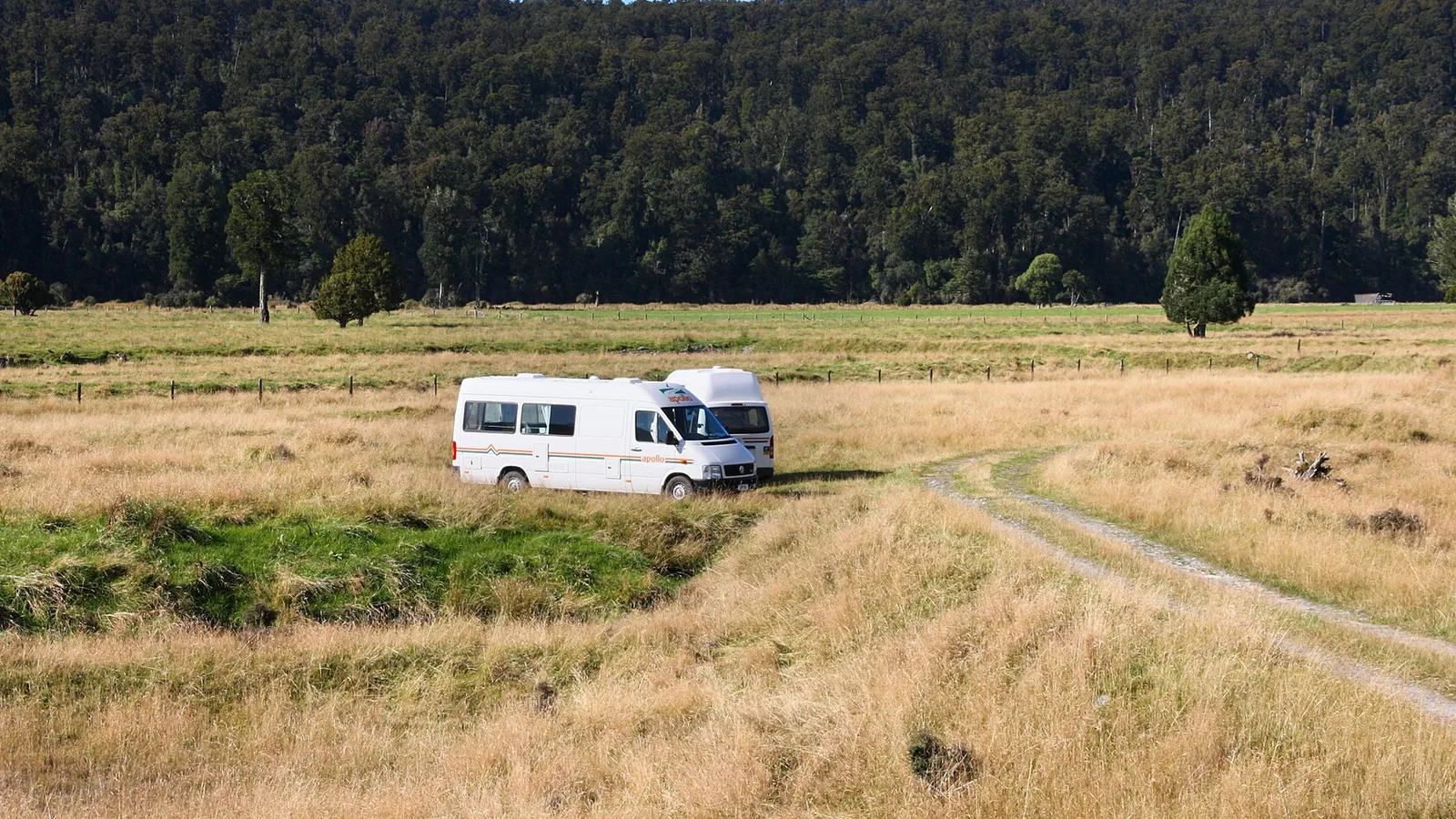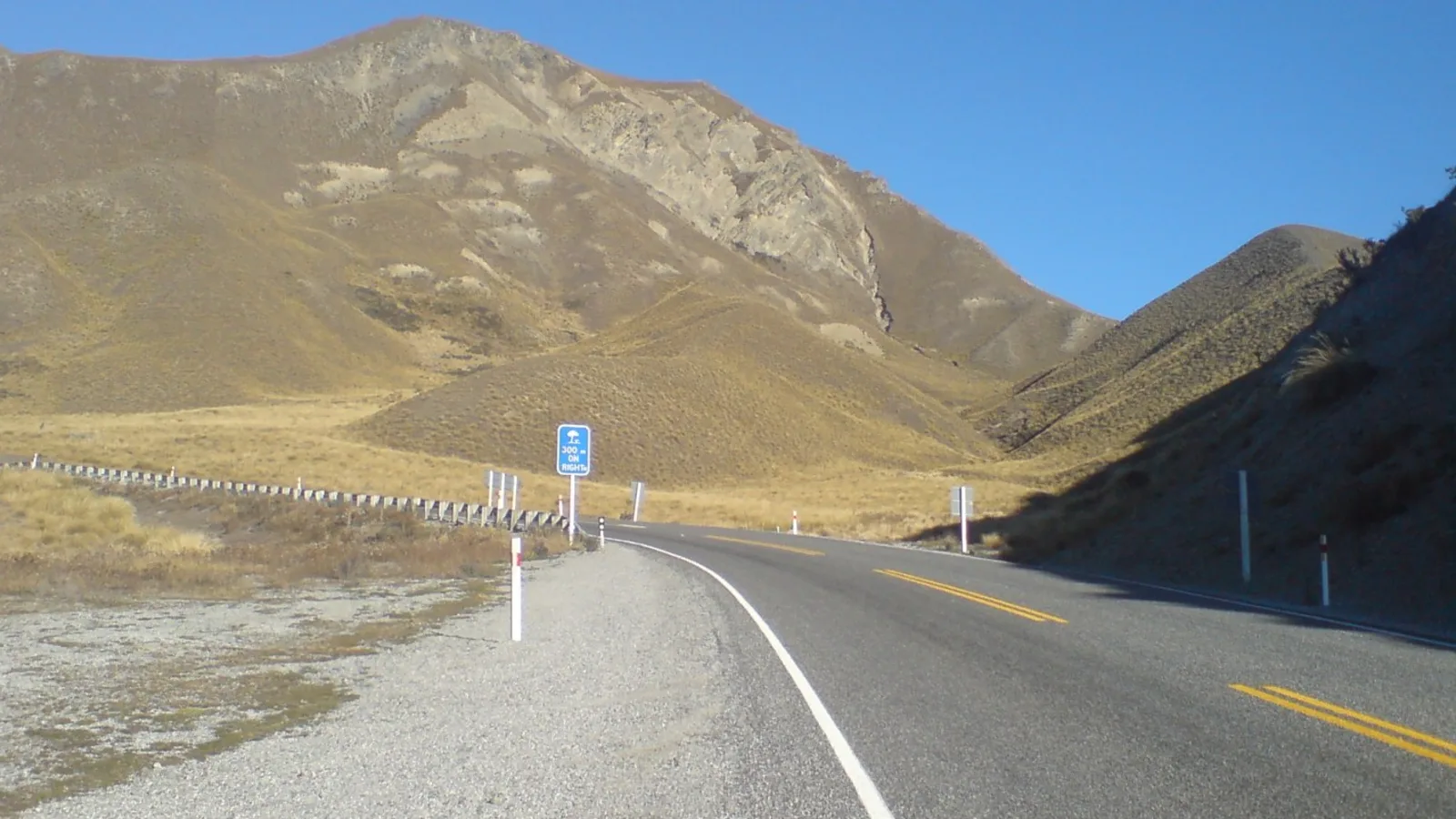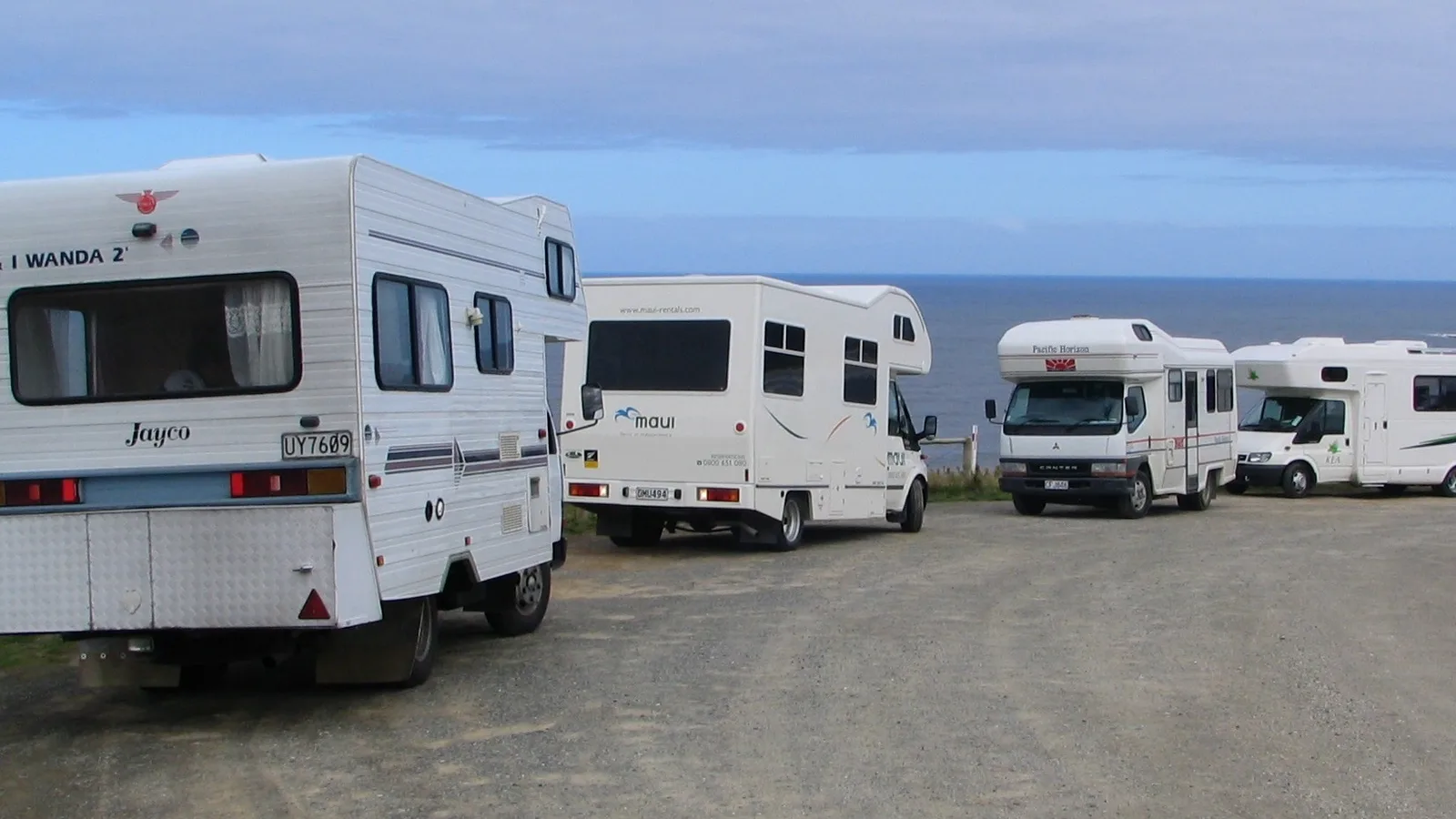
Since 7 June 2026, only a vehicle with a green warrant counts as self-contained for freedom camping in New Zealand. The blue warrant transition is over: a blue card or sticker no longer qualifies on any public land restricted to self-contained vehicles, whatever expiry date is printed on it. To earn a green warrant, a vehicle needs a toilet permanently fixed inside it, a sink and wastewater tank, fresh water, ventilation and secure rubbish storage for three days. Without one you can still stay at campgrounds, holiday parks, on private land with permission, at council sites set aside for non-self-contained vehicles, and on conservation land that no DOC notice restricts to certified vehicles.
Blue warrants ended on 7 June 2026
The Self-contained Motor Vehicles Legislation Act 2023 amended the Freedom Camping Act 2011 and moved certification to a national system run by the Plumbers, Gasfitters and Drainlayers Board. The green warrant system opened on 7 December 2023, rental vehicles had to switch by 7 December 2024, and privately owned vehicles had a transition period that ran until 6 June 2026. From 7 June 2026 the Board is explicit: vehicles with the old blue warrant cannot be used for freedom camping.
That makes the expiry date on a blue card irrelevant. A blue warrant issued in 2023 with years left to run stopped counting on the same day as one that was about to lapse. Many older conversions relied on a portable toilet that could be lifted out, and those never qualified for green certification. If your vehicle still carries only a blue sticker, treat it as not self-contained until a certification authority has inspected it and issued a green card.
- Blue warrants stopped counting on 7 June 2026
- The printed expiry on a blue card no longer matters
- Rental vehicles needed green warrants from 7 December 2024
What a green warrant requires
The Plumbers, Gasfitters, and Drainlayers (Self-Contained Vehicles) Regulations 2023 set eight requirements: a water supply system that keeps water from contamination, a fixed toilet, a wastewater system that holds both grey and black water, a sink that drains to the wastewater tank, a clean way to load water, a way to empty wastewater at a proper outfall, secure rubbish storage and ventilation. Each has to work for at least three days for the maximum number of people the vehicle is certified for.
The toilet is the part that ruled out most older vans. It must be permanently fixed to the vehicle and usable inside it, so a portable unit stored in a cupboard does not count. Size alone does not decide the outcome: the Board says some smaller vehicles can meet every requirement and others will not, so each vehicle is assessed on its own fittings. A certificate of self-containment lasts for up to four years and expires on the date printed on it, or sooner if the vehicle's self-containment fittings are materially changed or the certificate is revoked.
- Toilet must be fixed and usable inside the vehicle
- Systems must last three days for the certified occupancy
- Certificates run for up to four years
Rental campervans and the green warrant
Rental fleets moved first. During the final stage of the transition the law stopped recognising old-standard certification on vehicles owned by a rental company, so from 7 December 2024 any hired campervan sold as self-contained has needed a green warrant. A hired van without one is legal to drive and to sleep in at a campground, but it is not self-contained and cannot use self-contained-only freedom camping areas.
Before you drive away, find the green warrant card displayed in the vehicle, check the expiry date covers the whole hire, and confirm how many people the certificate covers. Ask whether the toilet is fixed or portable if the listing is vague. Read the infringement clause in the hire agreement too: under the Freedom Camping Act, a hirer who agrees to it can be made to pay any freedom camping infringement fee, and the company can charge the card on file if the agreement authorises it, after sending you the notice within 5 working days.
- Check the green card, expiry and certified occupancy
- No green card means not self-contained
- Fines can be charged to the hirer's card
Fines for camping without certification
Councils, the Department of Conservation and Land Information New Zealand enforce freedom camping on the land each of them manages. Under the Freedom Camping (Penalties for Infringement Offences) Regulations 2023, freedom camping in a vehicle that is not self-contained where certification is required carries a $400 infringement fee. Breaching a prohibition or restriction in a bylaw or DOC notice is also $400, and on council land so is camping with more people than the vehicle is certified for.
Failing to display a warrant card is $200. Depositing waste or damaging the area while freedom camping is $800, and refusing to leave when an enforcement officer tells you to is $600. If an offence is prosecuted in court instead, the maximum fine is three times the infringement fee. Since 7 June 2026 a blue card is no defence: it does not make the vehicle self-contained, and it does not count as the warrant card you must display.
Where a non-self-contained van can stay
The certification rule applies only to freedom camping on public land. The Board is clear that it does not apply at a campground, a holiday park or on private property where you have the owner's permission. Holiday parks are the most reliable option, with toilets and showers, and many have a dump station. Paid DOC campsites are camping grounds rather than freedom camping, and most take tents and uncertified vans, and a few DOC sites, such as the free Whakaipo campsite near Taupō, are for certified self-contained vehicles only, so check the campsite's DOC page.
Some councils also designate sites for vehicles that are not self-contained, usually with a toilet nearby, a short stay limit and sometimes a permit or fee. On conservation land, DOC notices prohibit camping at some places and restrict others to certified vehicles, and DOC-administered scenic and recreation reserves need a designated campsite. KiwiCamping shows DOC's conservation-land notices as prohibited, restricted or permitted on the map, but the council bylaw or DOC notice is what decides the night, and not every restricted area is signposted.
- Campgrounds and holiday parks need no certification
- Most DOC campsites take uncertified vans
- Some councils set aside non-self-contained sites
What the green warrant does not cover
A green warrant is not permission to camp. It does not override a bylaw that prohibits overnight stays, does not reserve a bay, and does not extend a stay limit. Where a council or DOC prohibits freedom camping, a certified vehicle is as prohibited as any other.
It also says nothing about roadworthiness. Warrant of Fitness or Certificate of Fitness, registration, gas certification and the rental company's own conditions are separate obligations. The Board notes that modifications made to fit a fixed toilet or tanks may also need low volume vehicle certification, which is a different process from self-containment.
- Certification is not permission
- WoF, registration and gas are separate
- Structural changes may need LVV certification
Getting a vehicle certified, and what it costs
Only a certification authority appointed by the Plumbers, Gasfitters and Drainlayers Board can issue a green warrant. The register site at certification.nzscv.co.nz lists the authorities operating in each region, and they are the people to ask whether your layout is likely to pass and what needs changing first. The Board expects inspections to be done in person, with remote inspection only in exceptional cases such as a vehicle in a remote area with no nearby authority.
There are two charges. The certification authority sets its own inspection fee, and every certification also carries a $120 self-containment levy, including GST, which the authority passes to the Board. If you are converting a van, involve a certifier before you build: tank sizes, toilet mounting, sink drainage and ventilation are far cheaper to get right during the build than to retrofit.
- Use a Board-appointed certification authority
- Budget the inspection fee plus the $120 levy
- Talk to a certifier before converting
Checking a warrant before you buy, hire or camp
Key details from every certificate go onto the national self-contained vehicle register, which enforcement officers can check on the spot, and the register has a public vehicle search. Look the vehicle up to confirm the certificate is current and belongs to that plate rather than trusting a card in the window, then read the card or certificate for how many people it covers.
When buying a used campervan, ask for the certificate itself, check the vehicle details on it match the van in front of you, and price in recertification if the warrant expires soon. A van advertised as self-contained with only a blue sticker has not been self-contained for freedom camping since 7 June 2026, and the asking price should reflect the cost of a fixed toilet and a green inspection.
Plekken onderweg
Check vóór vertrek
Regels en omstandigheden veranderen. Check vóór vertrek nog een keer de officiële bron en de pagina van het park of de camping waar je heen gaat.
- Plumbers, Gasfitters and Drainlayers Board: self-contained vehicles for private owners
- Plumbers, Gasfitters and Drainlayers Board: rental vehicle companies
- Plumbers, Gasfitters and Drainlayers Board media release, 3 June 2026: blue warrants expire
- Self-contained vehicle register and certification authority search
- DOC: freedom camping on conservation land
- Freedom Camping Act 2011: transitional provisions, rental hire agreements and offences
- Regulations extending the self-containment transition to June 2026 (SL 2025/67)
- Freedom Camping (Penalties for Infringement Offences) Regulations 2023
- Plumbers, Gasfitters, and Drainlayers (Self-Contained Vehicles) Regulations 2023
- Plumbers, Gasfitters, and Drainlayers Act 2006: certificates of self-containment
Veelgestelde vragen
Are blue self-containment warrants still valid in NZ?+
Not for freedom camping. Since 7 June 2026 only a green warrant makes a vehicle self-contained on public land restricted to certified vehicles, whatever expiry date a blue card shows. Campgrounds, holiday parks and private land with permission need neither.
What is the fine for freedom camping without a green warrant?+
Camping in an uncertified vehicle where self-containment is required carries a $400 infringement fee, and failing to display the warrant card is $200. With a rental, the hire agreement can make you pay and let the company charge your card.
Neem het mee op reis
Bewaar de stops. Plan de hele reis.
Maak van bewaarde plekken een route op volgorde, bereken de afstand en houd data, notities en to-do’s erbij.