Glamping means camping with the comforts already set up: a safari tent with a real bed, a yurt with a wood burner, a dome under the stars, a tiny cabin by a lake. New Zealand has plenty of them, from the Bay of Islands to Queenstown, mostly run privately and on farms, vineyards and holiday parks. It suits a night or two in a campervan trip, for a treat, a rainy spell or a special occasion.
What counts as glamping
There is no official definition, and the range is wide. Safari tents and bell tents have real beds and a deck, yurts and domes have heaters and sometimes a private bathroom, and tiny houses, cabins and treehouses sit in between. Most are on private land, and a few are in holiday parks. DOC does not run glamping, though it has huts and cabins.
Look at what is included: bedding, a bathroom, a kitchen, heating and breakfast vary a lot, and so does the price. A glamping stay in a remote place may have composting toilets and no power, and it is worth reading the listing carefully.
- Safari tents, yurts, domes and tiny houses
- Mostly on private land
- Check what is included
Where to look
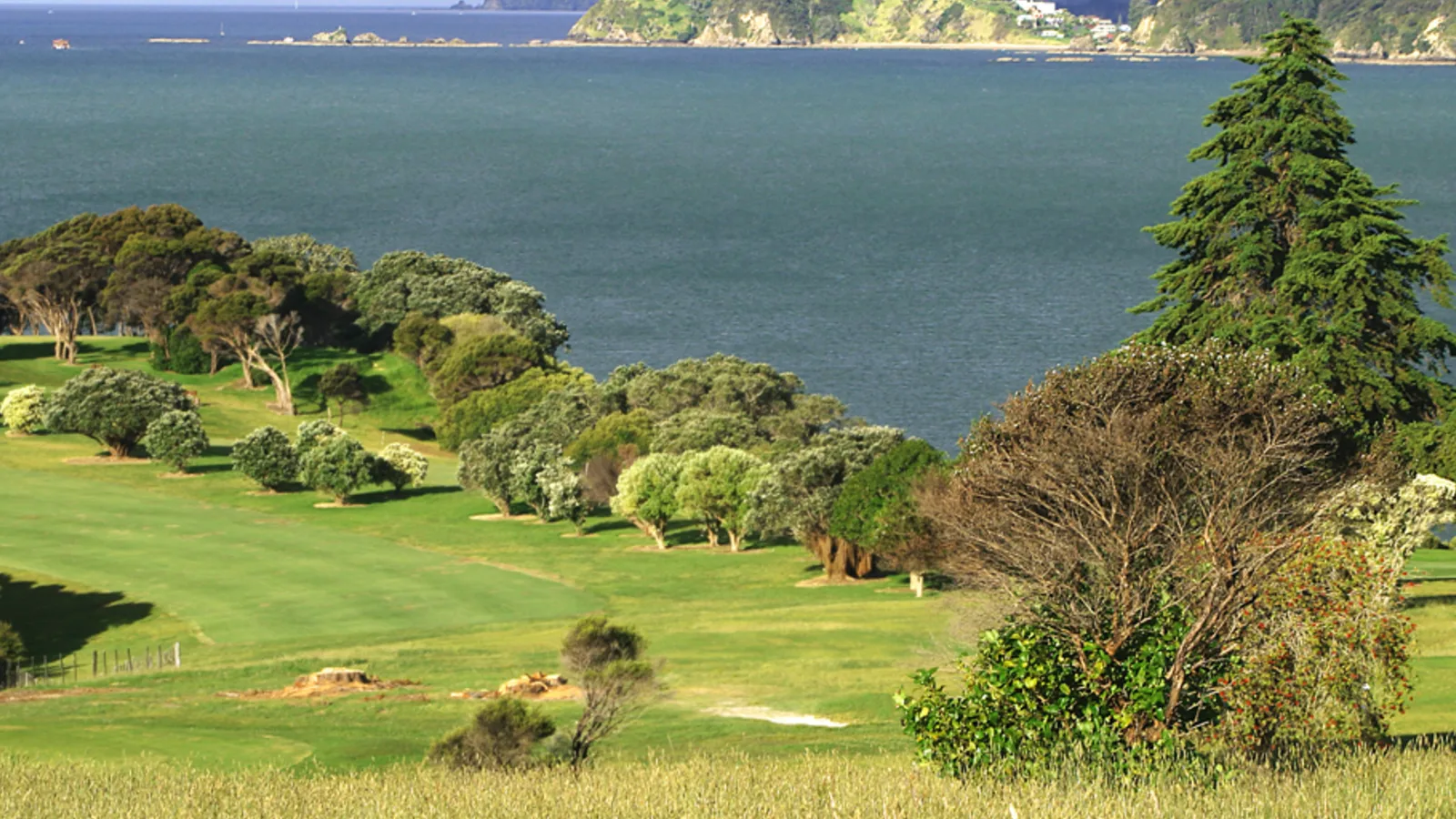
The Bay of Islands and Northland have farm stays and coastal tents, the Coromandel has beach and bush sites, and Waiheke has vineyards and views. In the South Island, the Marlborough Sounds, Abel Tasman and Golden Bay have waterfront options, and Queenstown, Wānaka and Central Otago have lakeside and vineyard sites with mountain views.
Kaikōura, Tekapo and Aoraki Mount Cook have stays under the dark sky, with domes for stargazing. The Abel Tasman, the Bay of Islands and Queenstown are the busiest, so look further out for a quieter site.
- Northland, Coromandel and Waiheke
- Marlborough, Abel Tasman, Queenstown
- Domes for stargazing
Turn the stops into a trip
Cost and when to book
Prices vary widely, from simple tents at roughly the cost of a good motel room to luxury domes and lodges at several hundred dollars a night, and they rise in summer and school holidays. Check the operator's own page for the current price and what is included, and ask about the cancellation terms, since weather can change a plan.
The best sites book months ahead for December to February and the Easter and school holidays, so reserve as soon as your dates are set. Outside summer there are good rates, though some sites close in winter. The school and public holidays guide has the dates.
- Prices rise in summer
- Check cancellation terms
- Book months ahead for summer
Fitting glamping into a campervan trip
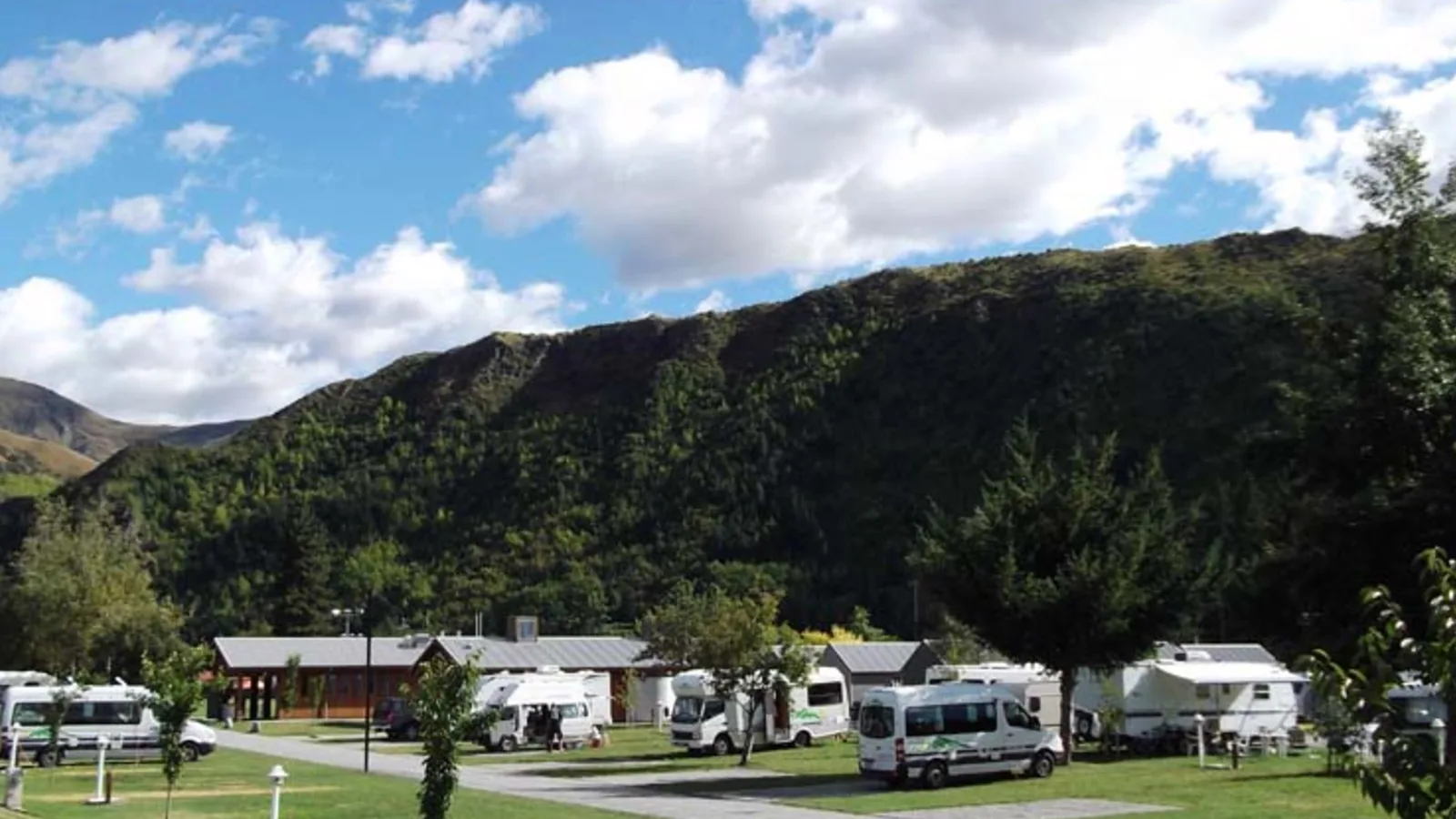
A night of glamping between campervan nights gives you a proper bed, a hot shower and time without driving, and it works as a wet-weather fallback. It is especially good where freedom camping is not allowed and a site is scarce, such as the Bay of Islands, Queenstown and the Abel Tasman.
If you have a campervan, a holiday park with cabins is the cheaper option for a night off, and the holiday parks guide covers the choices. The wet weather camping guide has more on keeping dry and finding a site.
- A treat night between van nights
- Wet-weather fallback
- Holiday park cabins are cheaper
Getting there and what to bring
Many glamping sites are on gravel or farm roads, some with a steep driveway, so check the directions and whether a campervan can reach it. Ask the host about parking for your van. Bring warm clothes, a torch, insect repellent and your own food if the stay has no kitchen, and check in times, as hosts are often not on site all day.
Respect the land, take away your rubbish and keep noise down at night, as many sites are on working farms with livestock. The responsible camping guide covers the basics.
- Check road access for a van
- Bring warm clothes and a torch
- Respect working farms
Planning your trip in KiwiCamping
On iPhone, KiwiCamping maps DOC campsites, huts and holiday parks, filters them for campervan access and facilities, and shows holiday parks with their bookable stays. Save the places you like, add them to a dated trip, and each stop gets a forecast. Private glamping sites are not listed, so look at the operators' own pages for those.
Holiday park stays can be booked through the listing, while DOC bookings stay on DOC's own pages. Free to download, with in-app purchases.
- Save holiday parks and huts
- Forecast at each stop
- Private glamping is booked with the operator
Places along the way
Check before you go
Rules and conditions change. Recheck the official source and the page for your exact park or campground before departure.
Common questions
What is glamping in New Zealand?+
Camping with comforts set up, such as a safari tent with a bed, a yurt or a dome, usually on private land. Check what is included, as it varies a lot.
When should I book glamping in New Zealand?+
Months ahead for December to February and school holidays. Winter and shoulder seasons are easier, though some sites close.

Plan the drive
Save the stops. Plan the whole trip.
Free to download. BookIt holiday parks and tours are free to browse and book; DOC campsites, huts, dump stations, the in-app guides and trip planning need the Premium pass.
KiwiCamping is an iPhone app. There is no Android version.