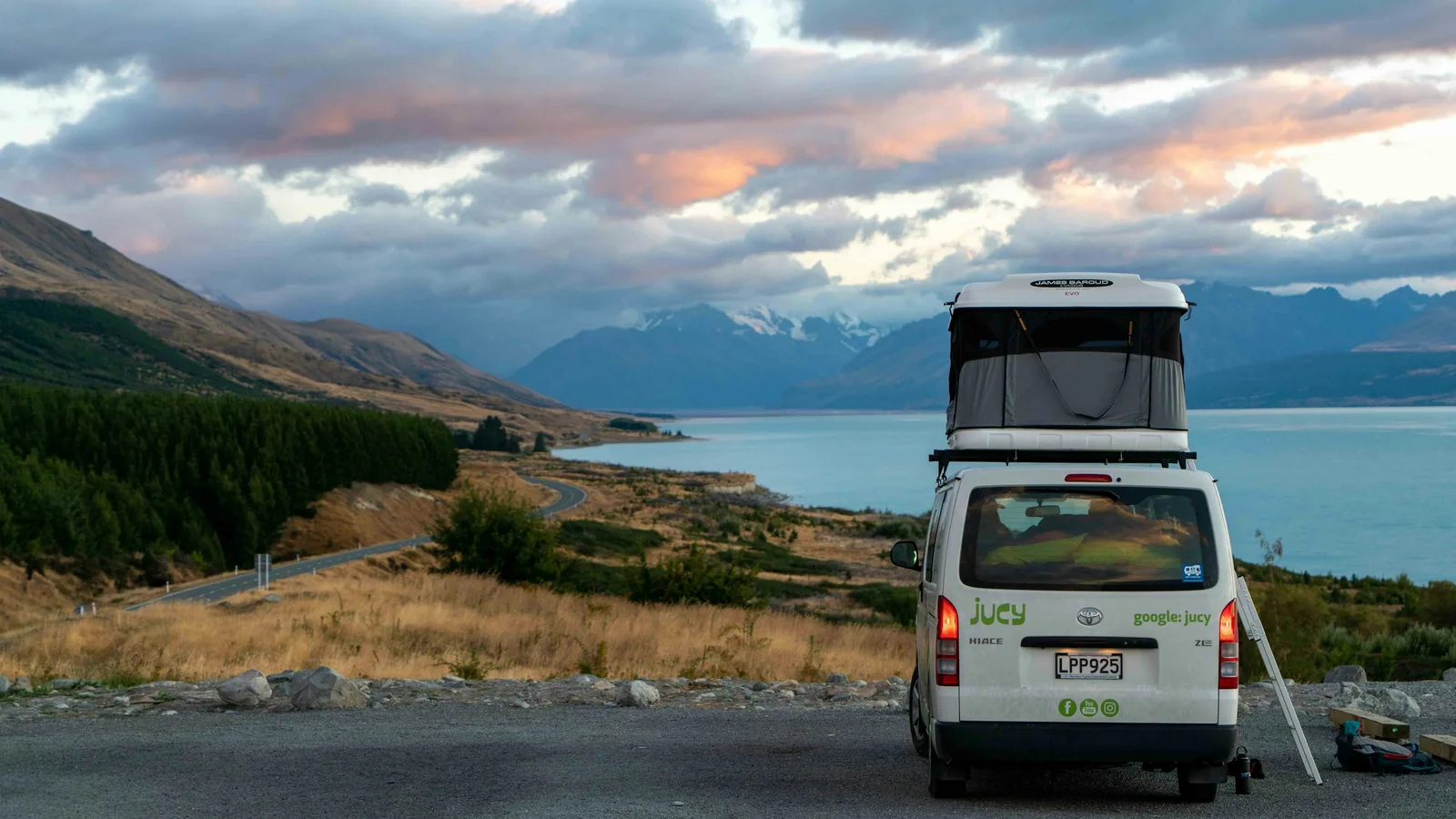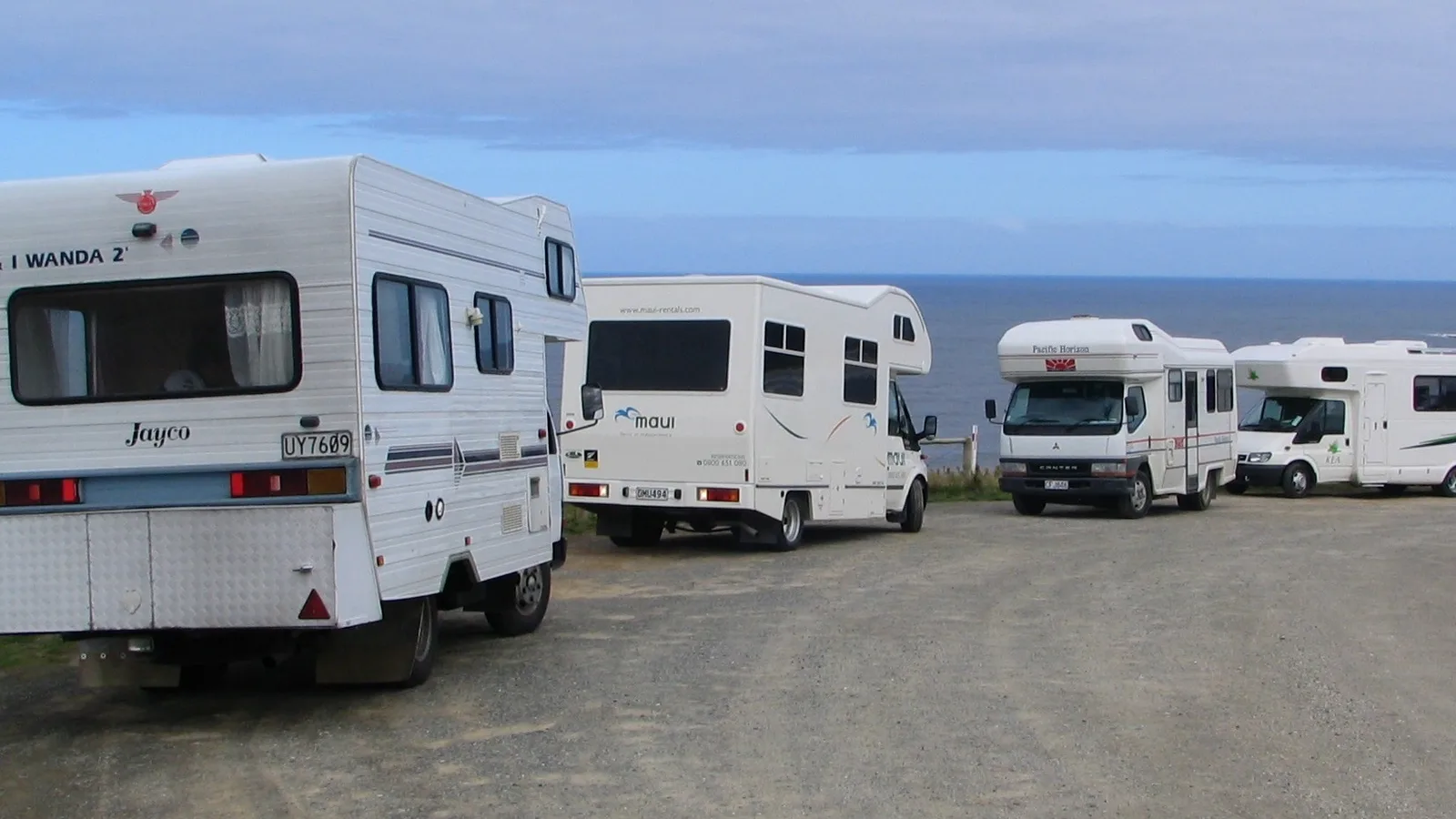
Auckland allows freedom camping on council roads and car parks only in certified self-contained vehicles, for at most two nights in the same spot, and you must be gone by 9am on the day you leave. The council's current page names 58 areas where the bylaw prohibits it and 20 where it is restricted, and council reserves and regional parks are closed to it altogether. Anyone with a tent or a van without a certificate needs a campground. This guide reads the council's rules, so DOC land and state highways follow other agencies' rules.
The bylaw in short
Auckland's Freedom Camping in Vehicles Bylaw was adopted by the council's Governing Body on 23 June 2022 and took effect on 1 September 2022. Local Matters, reporting the adoption, quoted the council as restricting the practice to certified, self-contained vehicles. The bylaw deals with vehicles on roads and off-street car parks the council controls, and it replaced a patchwork of older local rules.
The council's page for campers sets out the day-to-day limits, which the table below repeats. The two-week gap is counted from 9am on the day you leave, so a van that moved on at 9am on a Monday can come back to the same street from 9am on the Monday fortnight. Normal parking, litter, fire, noise and alcohol rules still apply on top of the bylaw.
| Rule | What the council says |
|---|---|
| Vehicle | A certified self-contained vehicle; tents are not allowed in public places |
| Length of stay | A maximum of two nights in the same road or off-road parking area |
| Departure | Out of the space by 9am on the day you leave |
| Coming back | Not to the same road or parking area within two weeks of leaving, counted from 9am |
| Where it applies | Roads and car parks the council controls, outside the prohibited areas |
- Certified self-contained only
- Two nights, away by 9am
- No return for two weeks
Prohibited and restricted areas
When the bylaw was adopted in 2022 it prohibited freedom camping in 45 areas and restricted it in 22. The council's page now gives 58 areas where the bylaw does not allow it and 20 restricted areas, where extra rules such as a parking limit or a cap on vehicle numbers apply. The council offers a search by address for its prohibited and restricted areas, and that is the check to use for a street, because the lists are long and the maps decide the boundary.
Named examples show how it works. The Hammerhead at Gulf Harbour was a restricted site with room for 10 self-contained vehicles at once. Coxs Bay at Westmere, which had three designated spaces and a one-night limit, stopped being a freedom camping site on 1 April 2026, when the council ended it, and the council has said a wider review of the sites follows. A site that worked on a past trip may be gone, so rely on the current list rather than a blog post.
- 58 prohibited, 20 restricted
- Coxs Bay closed on 1 April 2026
- Search the address on the council page
Check the campsite before you park
Reserves, regional parks and other agencies' land
The bylaw excludes all public reserves. Section 44 of the Reserves Act 1977 generally prohibits camping in a reserve, and the council can fine you $800 under that Act where it manages the reserve. That includes the parks that look like obvious spots on a summer evening, such as a beach reserve behind a surf club.
Regional parks are not freedom camping land either. The council runs paid campgrounds in some of them, including Tāwharanui, Te Haruhi Bay at Shakespear and Ambury, and says to book early for the popular ones. Council car parks where parking is reserved or charged are out, and so are maunga, state highways and conservation land, which other bodies manage.
- Reserves are out
- Regional parks use booked campgrounds
- State highways and maunga sit outside the bylaw
Waiheke Island
On Waiheke the stay limit applies across the whole island rather than to a single street. Local Matters reported the council's rule that freedom campers must leave Waiheke after a maximum of two nights to dump their waste, unless they have arranged other accommodation. Vehicles reach the island on the vehicle ferry, so the sailing time and fare become part of the plan.
Because the island has few public dump stations, a van that arrives on a full tank of waste has little room. A holiday park or campground on the island is the easier fit for a longer visit, and the council's wording about alternative accommodation covers that.
- Two nights for the whole island
- Leave to dump waste
- Book accommodation for a longer stay
Fines
The council says it can issue infringement notices of up to $800 for offences such as camping in a prohibited area or a reserve, overstaying, not leaving by 9am and using a vehicle without the certificate. Under the national schedule the usual price for camping in breach of a bylaw is $400, a missing warrant card is $200, and refusing to move on when an enforcement officer asks costs $600.
The $800 level is the one that applies to damaging the area or leaving waste, and it also applies to Reserves Act offences. A notice goes to the registered owner of the vehicle, so a hire company will pass the cost to the renter. The green warrant has been the only certificate that counts since 7 June 2026, so check the card in the windscreen before you park anywhere.
- $400 is the usual fee
- $800 for damage, waste or reserves
- Hire companies pass notices on
Campgrounds and DOC campsites to use instead
A tent or a vehicle without a certificate belongs in a paid site. Auckland Council lists campgrounds at Tāwharanui, Te Haruhi Bay and Ambury, and its guidance points to holiday parks run by Auckland Holidays at Martin's Bay, Ōrewa Beach and Whangateau. Book early over summer, because the regional park sites fill.
For conservation land, KiwiCamping's DOC data (11 August 2026) lists 9 DOC campsites in the Auckland region, 8 of them bookable online through DOC, with adult nightly rates from $10 to $18. Home Bay on Motutapu Island is the largest, and most of the rest are on Great Barrier Island, so a ferry is part of the trip. The holiday parks guide explains how to book, and the DOC campsites guide covers DOC's booking rules.
- 9 DOC campsites in the region
- Great Barrier Island needs a ferry
- Book regional park campgrounds early
Using KiwiCamping around Auckland
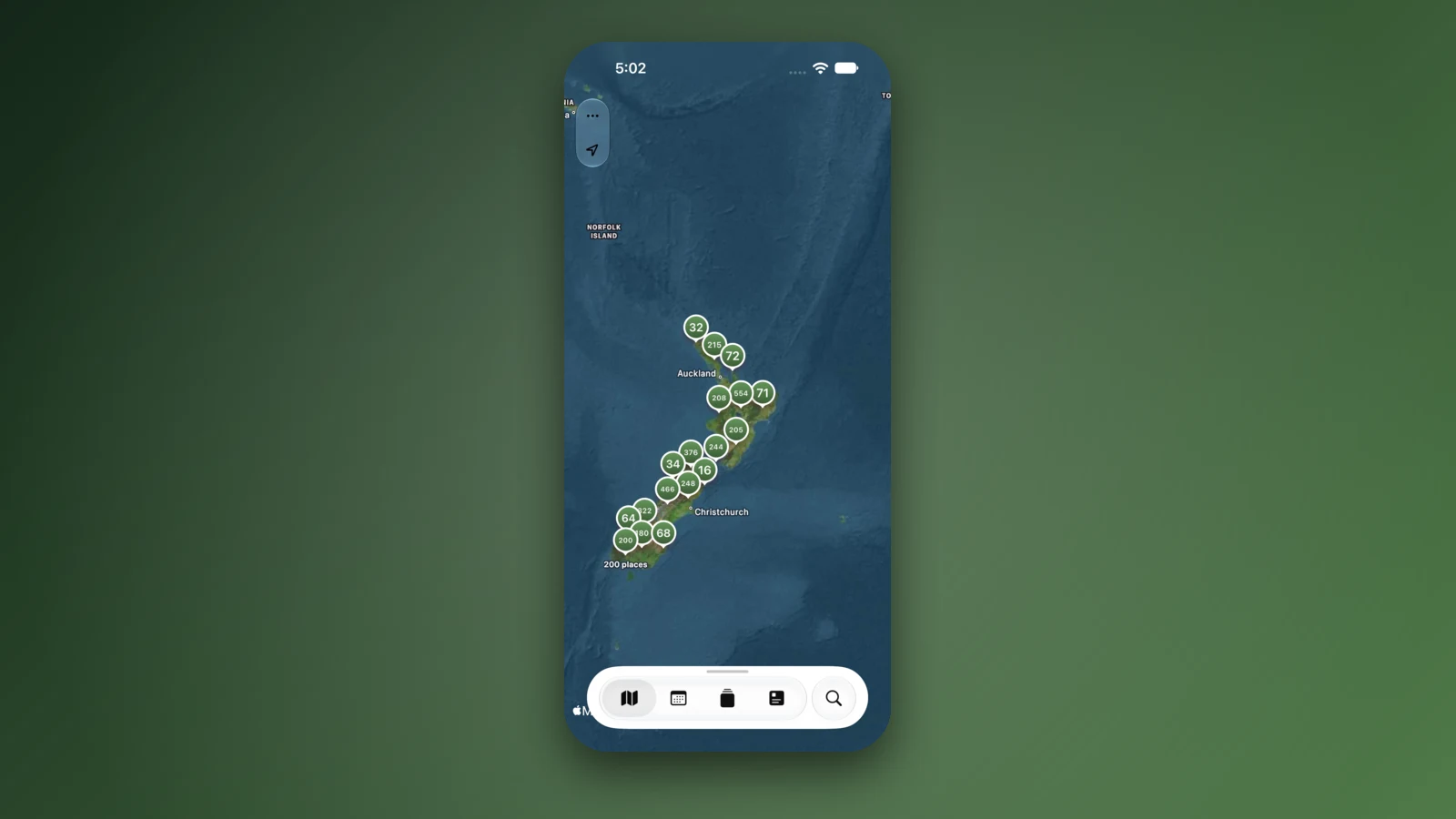
KiwiCamping puts Auckland's DOC campsites, holiday parks and nearby places on one map that you can switch to list or satellite view, with filters for the facilities you need. The council's prohibited and restricted maps are not in the app, so use the council's address search for the street you plan to park on. Place details, saved places and guides open without signal, while map tiles, routing, weather and photos wait for reception.
Save the places you like for the first night out of the city, then add a paid fallback in case a restricted site is full or has been withdrawn. A trip orders the nights with dates and notes, sums the distance of each leg and shows a forecast for every stop. Free to download, with in-app purchases.
- Check the council map for the street
- Save a paid fallback
- Place details work without signal
Places along the way
Check before you go
Rules and conditions change. Recheck the official source and the page for your exact park or campground before departure.
- Auckland Council: general rules for freedom campers
- Auckland Council: Freedom Camping in Vehicles Bylaw
- Our Auckland: changes to freedom camping rules
- Our Auckland: Coxs Bay freedom camping ban
- Local Matters: freedom camping bylaw in place
- Freedom Camping (Penalties for Infringement Offences) Regulations 2023
- DOC: freedom camping
Common questions
Is tent camping allowed on Auckland roads and car parks?+
Not in a public place. The council's rules limit freedom camping to certified self-contained vehicles, so a tent needs a campground, a regional park campground such as Tāwharanui, or a DOC campsite.
How many nights can I stay in the same place in Auckland?+
Two nights in the same road or off-road parking area, and you must leave by 9am on the day you go. You cannot return to that road or parking area for two weeks, counted from 9am on the day of departure.
Is Coxs Bay still a freedom camping site?+
No. The council ended freedom camping there from 1 April 2026. It had been a restricted site with three spaces and a one-night limit.
Can I freedom camp on Waiheke Island?+
Only briefly. The council's rule, as reported by Local Matters, is a maximum of two nights across the whole island, after which you leave to dump your waste unless you have other accommodation arranged.

Find a legal night
Know where you can stay tonight.
Free to download. BookIt holiday parks and tours are free to browse and book; DOC campsites, huts, dump stations, the in-app guides and trip planning need the Premium pass.
KiwiCamping is an iPhone app. There is no Android version.