Most campervan trips start or end in Auckland, and three days is enough to see the harbour, the black-sand beaches of the west coast and one of the islands without driving far. The city is the hardest place in the country to park a van, so the plan below keeps the city day short, spends the second day out on the Waitākere coast and leaves the third for an island or the Matakana coast.
Where to base yourself
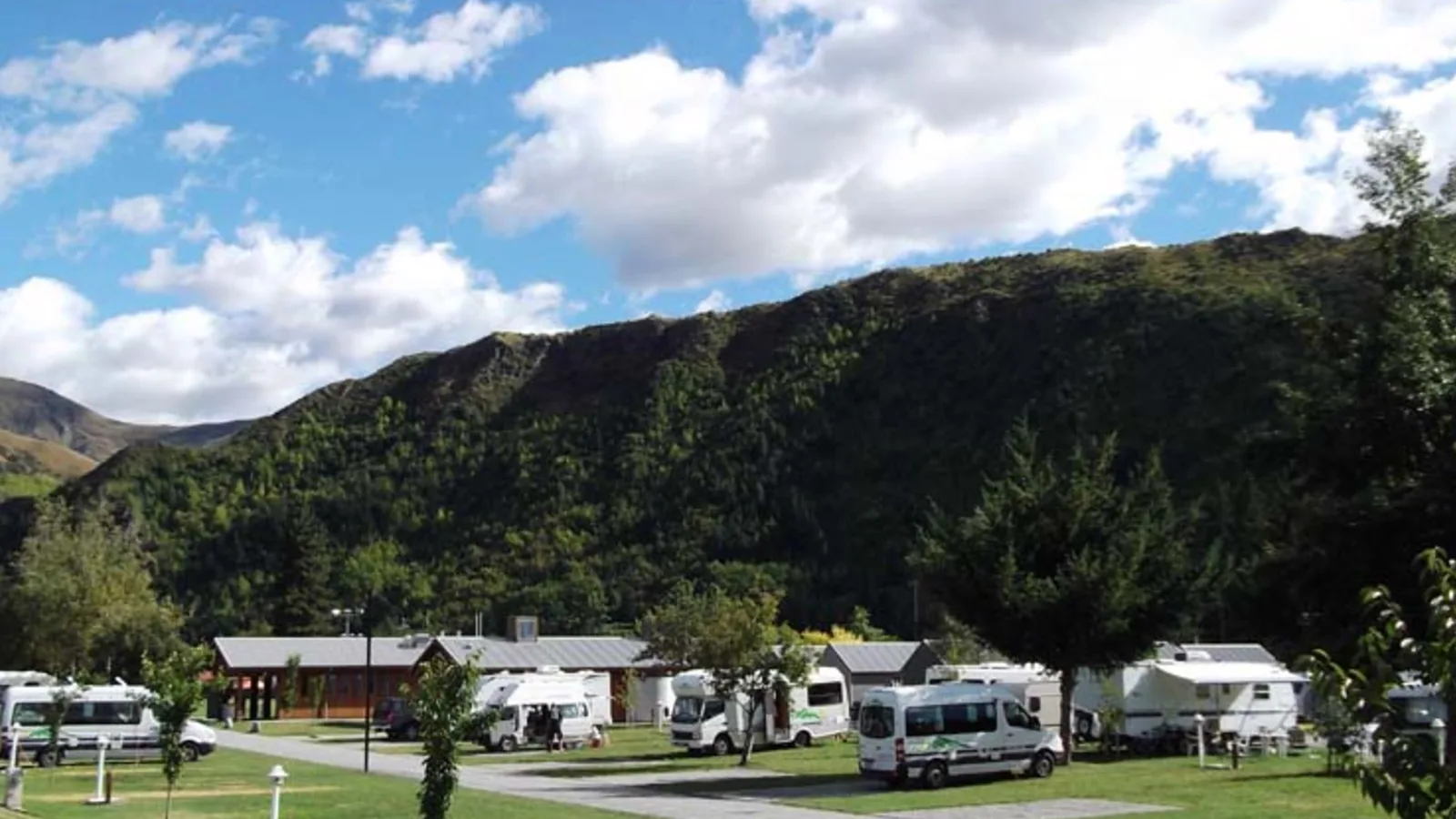
A campervan in central Auckland is awkward: car park height limits, one-way streets and heavy traffic on the motorways at either end of the day. The easiest base is a holiday park on the edge of the city, from where you can reach the centre by bus, train or ferry and leave the van parked. Auckland Council also runs campgrounds in its regional parks, such as Tawharanui and Shakespear on the northern side and Whatipu on the west coast, which are bookable ahead and a long way from the city feel.
Freedom camping in Auckland is limited to a few permitted places and only in a certified self-contained vehicle, and the rules and fines are strictly enforced, so read the freedom camping in Auckland guide before relying on it. Most visitors do better on a holiday park for the first and last night, when you also want power, a shower and somewhere safe to sort the gear.
- Park the van, use public transport in the centre
- Council regional park campgrounds need booking
- Freedom camping is limited and enforced
Day 1: the city and the waterfront
Start with the Viaduct and the waterfront, walk to the Sky Tower and Wynyard Quarter, and spend the middle of the day at the Auckland Domain and the museum on the hill. In the afternoon go up one of the volcanic cones, Maungawhau (Mount Eden) or Maungakiekie (One Tree Hill), for the view over both harbours. Parking is easier at the cones than in the centre, though check the signs, as the roads are busy at weekends.
Finish the day with dinner in Ponsonby or on the waterfront and return to the holiday park by public transport if you can. A campervan in the evening peak on the Southern or Northwestern motorway can take more than an hour to cover a short distance, so build the day around the traffic and not through it.
- Volcanic cones for the view
- Leave the van at the park
- Avoid the evening peak
Turn the stops into a trip
Day 2: the Waitākere Ranges and the west coast
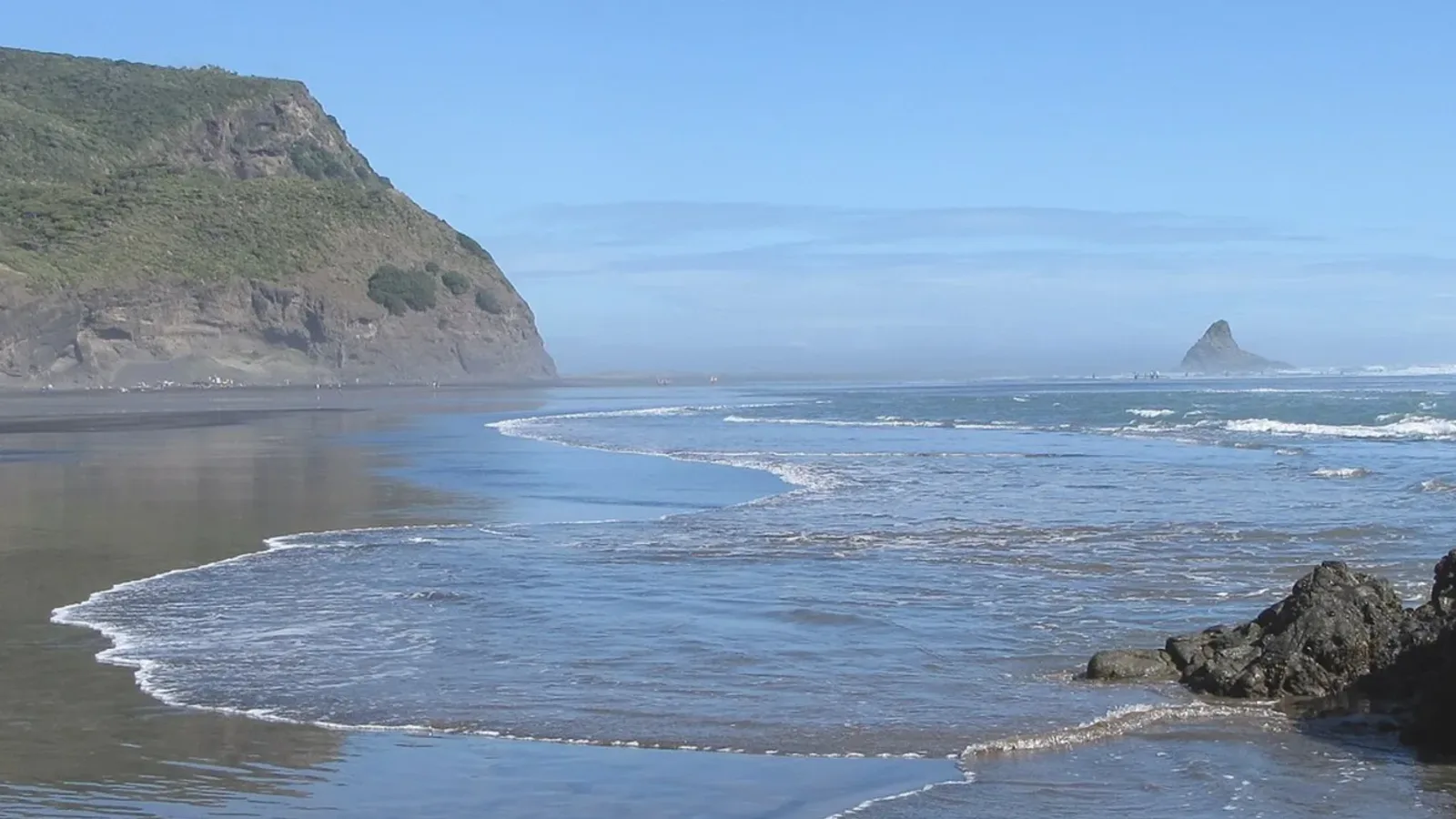
Take the road through the Waitākere Ranges to Piha, with a stop at the Arataki Visitor Centre for the view and the walks. Lion Rock at Piha is the famous landmark, and the beach is a popular surf spot with strong currents, so swim only between the flags where lifeguards patrol. Karekare, with its waterfall walk, is a short drive to the south.
Continue north to Muriwai, where the gannet colony nests on the cliffs from about August to March and a short boardwalk gives you a close view. The roads in the ranges are narrow and winding, with kauri dieback hygiene stations at many tracks, so clean your boots and stay on the track. Check the weather, because a wet day on these roads is slow.
- Swim between the flags at Piha
- Gannets at Muriwai, August to March
- Clean boots at kauri dieback stations
Day 3: an island or the Matakana coast
Two good options. By ferry from the downtown terminal, Rangitoto is a volcanic island with a walk to the summit and lava caves, and Waiheke has beaches, wineries and cafes, with buses and bikes for getting around. You do not take the van, so a day trip is simple, and you can leave it at the park.
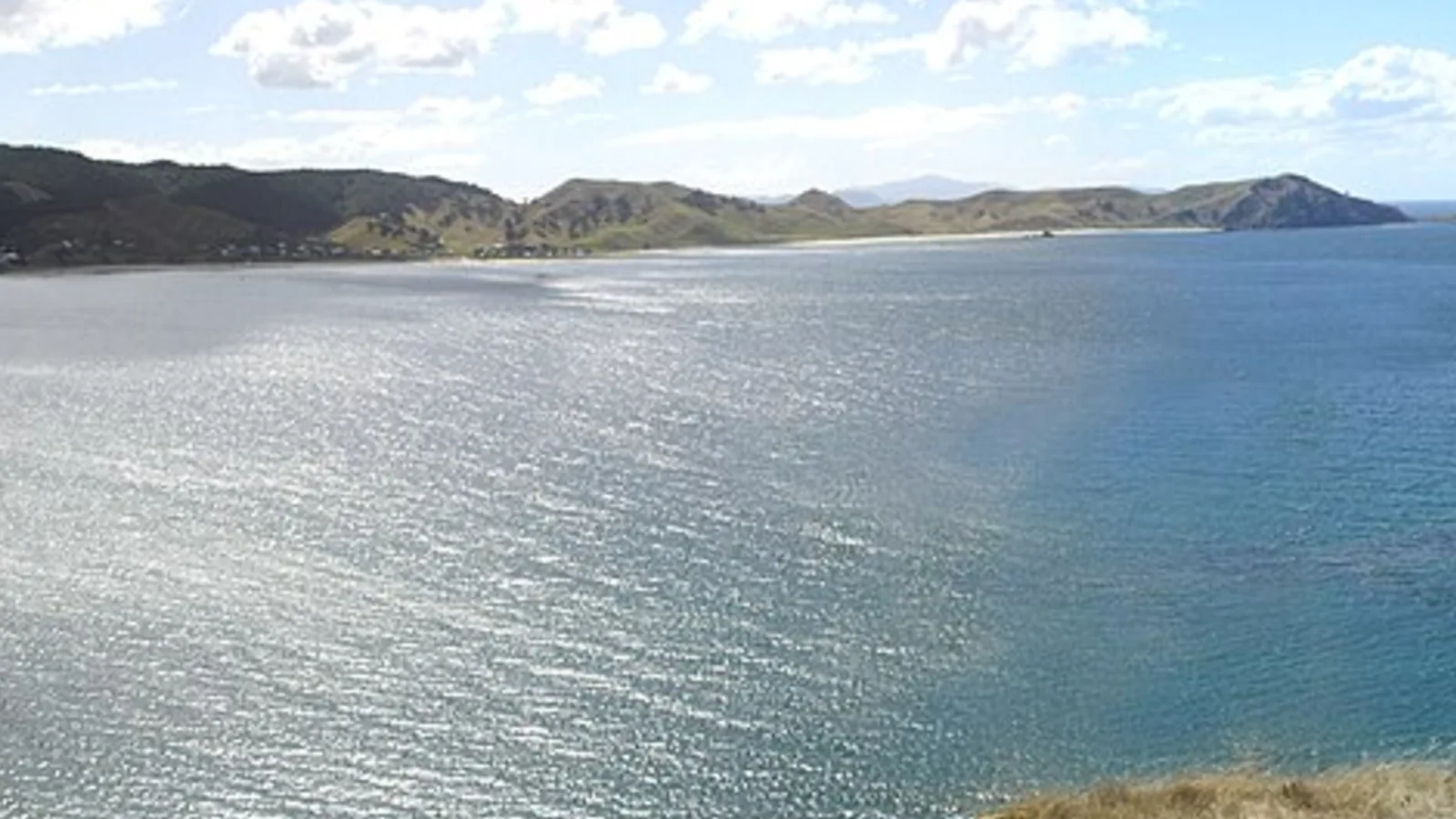
Or head north, where the Matakana farmers' market runs on Saturday mornings, and the beaches at Omaha and Pākiri are a short drive on. From there Tawharanui Regional Park has a campground and a beach, a good last night if you have booked it ahead. The Northern Gateway toll road is the quick way out of Auckland and needs to be paid online afterwards, so check how your hire company handles tolls.
- Rangitoto and Waiheke by ferry
- Matakana market on Saturday
- Tolls need paying online
Practical tips for driving in Auckland
Traffic is the main issue, with peaks from about 7 to 9 in the morning and 4 to 6.30 in the evening, and State Highway 1 is slow in both directions. Allow double the time the map suggests in the peak, and avoid collecting or returning a van at those times. Fuel is cheaper in the suburbs than at the motorway service stations.
Take care on the left, with the narrow lanes in older suburbs and the parked cars on both sides. The left-side driving guide and the campervan road rules guide cover the basics. After Auckland, the road trip to the Bay of Islands and the Coromandel loop are the two easy ways north and south.
- Allow double the time in the peak
- Fill up in the suburbs
- Next stop: Northland or the Coromandel
Planning your three days in KiwiCamping
Open KiwiCamping on your iPhone and the map shows DOC campsites, huts and holiday parks around the city, with filters for campervan access and facilities. Pin one base and one fallback, string the stops you choose into a trip, and each leg gets a distance and each place a forecast. Navigation is not part of it, so keep your maps app running for the motorways.
Bookings for council and DOC campgrounds stay on their own booking pages. Free to download, with in-app purchases.
- Save a base and a backup
- Forecast at each stop
- Book council campgrounds ahead
Places along the way
Check before you go
Rules and conditions change. Recheck the official source and the page for your exact park or campground before departure.
Common questions
Can I park a campervan in central Auckland overnight?+
Only in a few permitted places and only in a certified self-contained vehicle, and the rules are strictly enforced. Most visitors use a holiday park on the edge of the city and take public transport in.
How many days do you need in Auckland by campervan?+
Three days covers the city, the west coast beaches and an island or the Matakana coast without long drives. It is a good start or finish to a longer North Island trip.

Plan the drive
Save the stops. Plan the whole trip.
Free to download. BookIt holiday parks and tours are free to browse and book; DOC campsites, huts, dump stations, the in-app guides and trip planning need the Premium pass.
KiwiCamping is an iPhone app. There is no Android version.