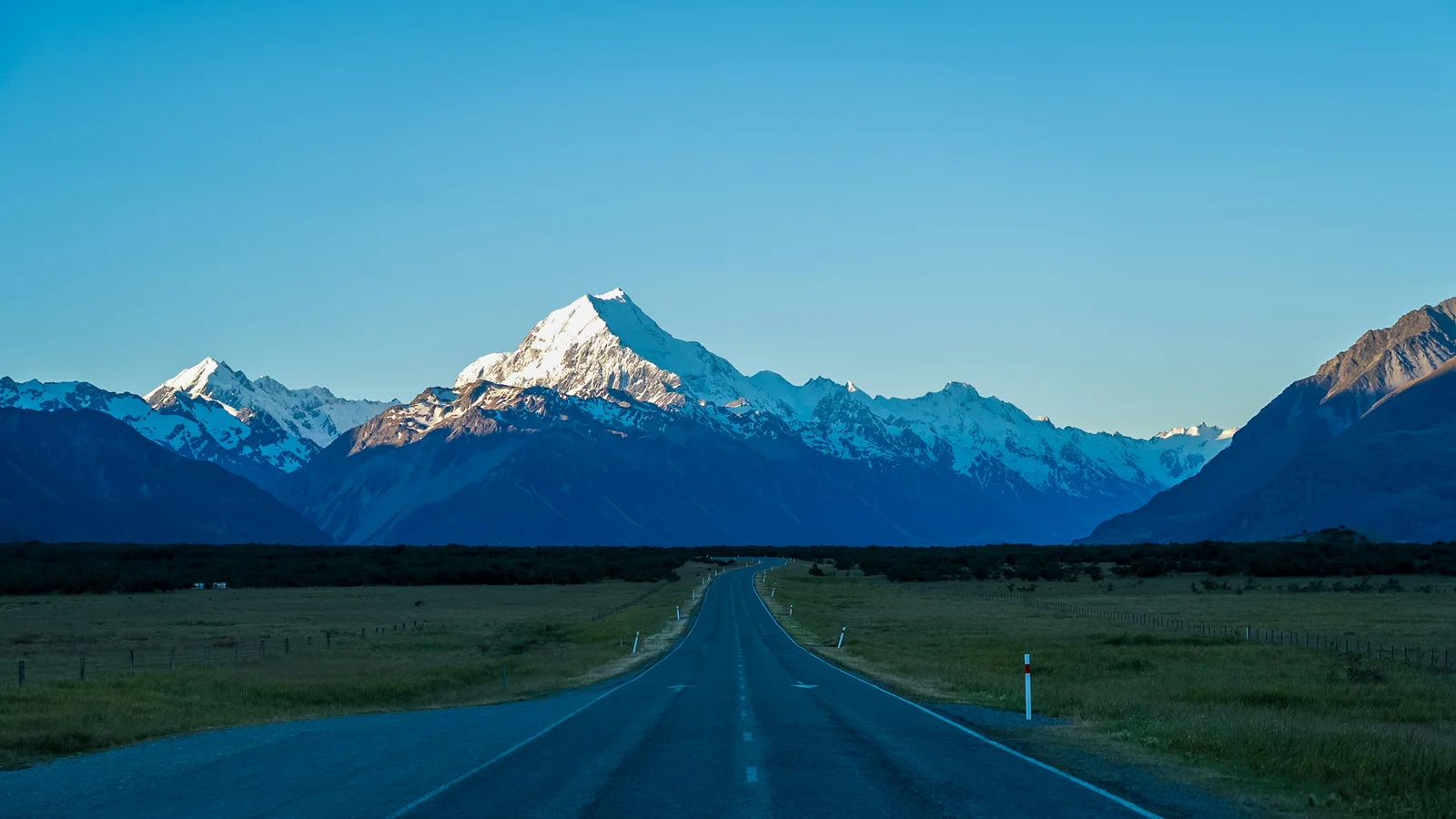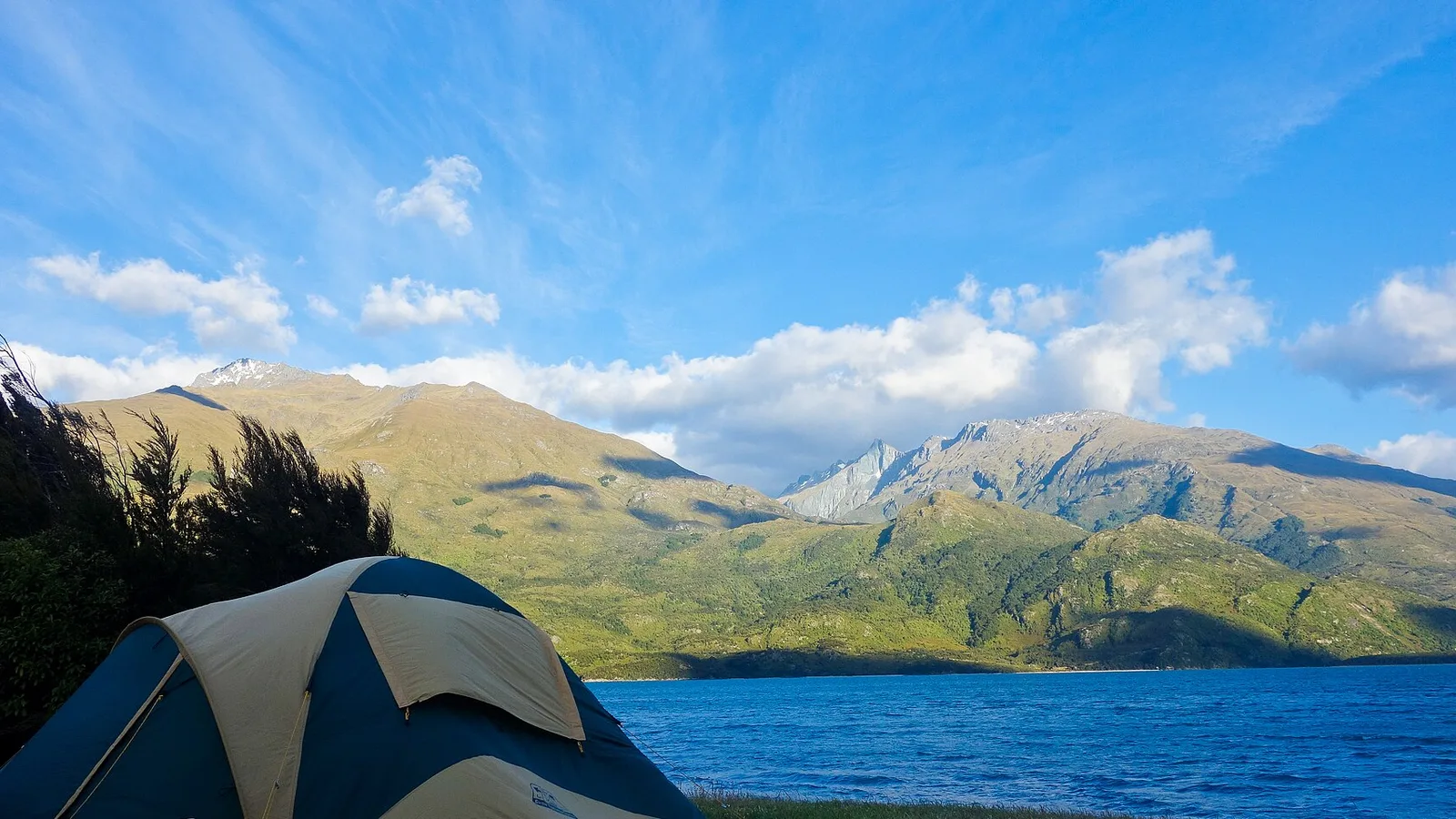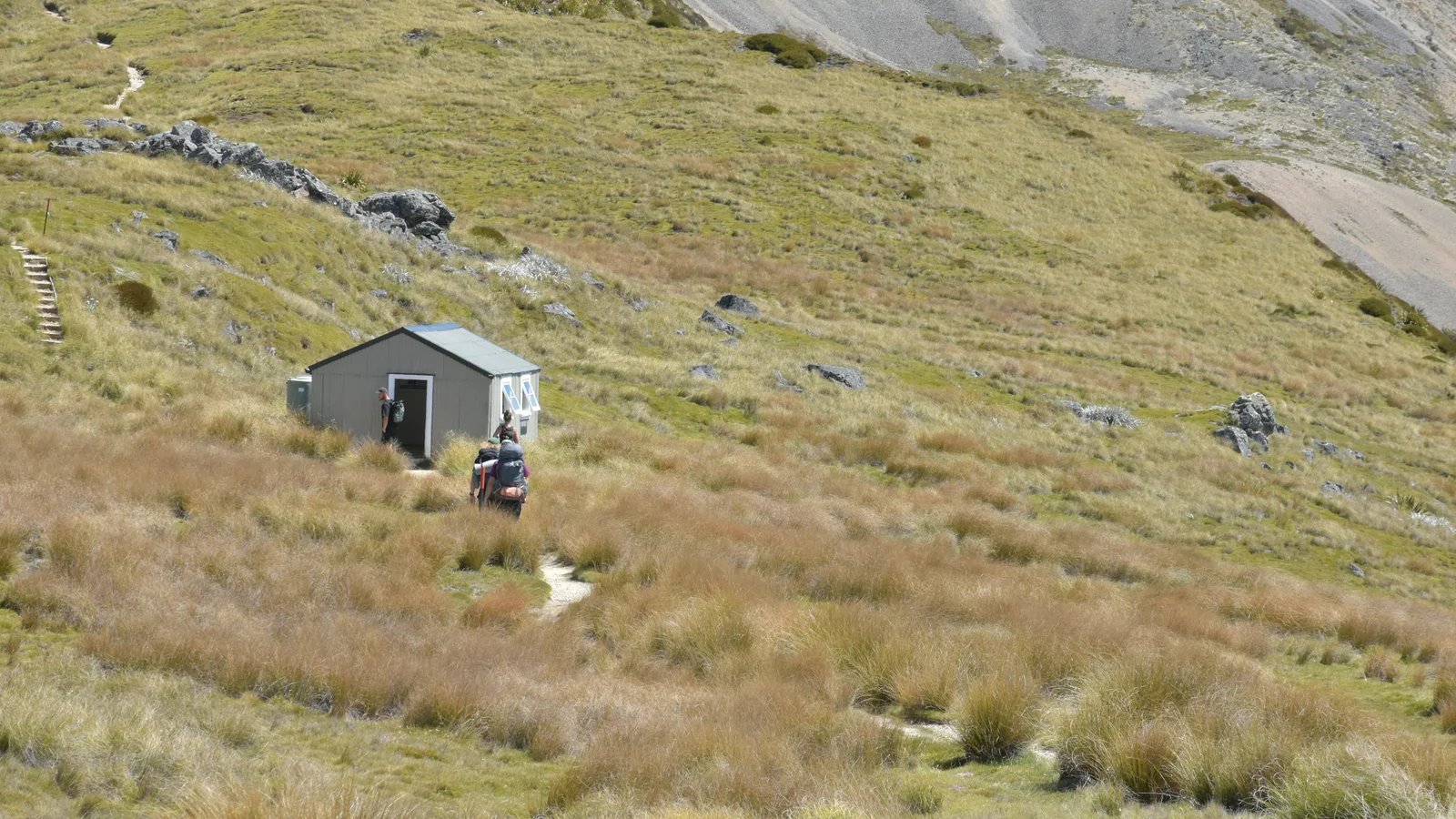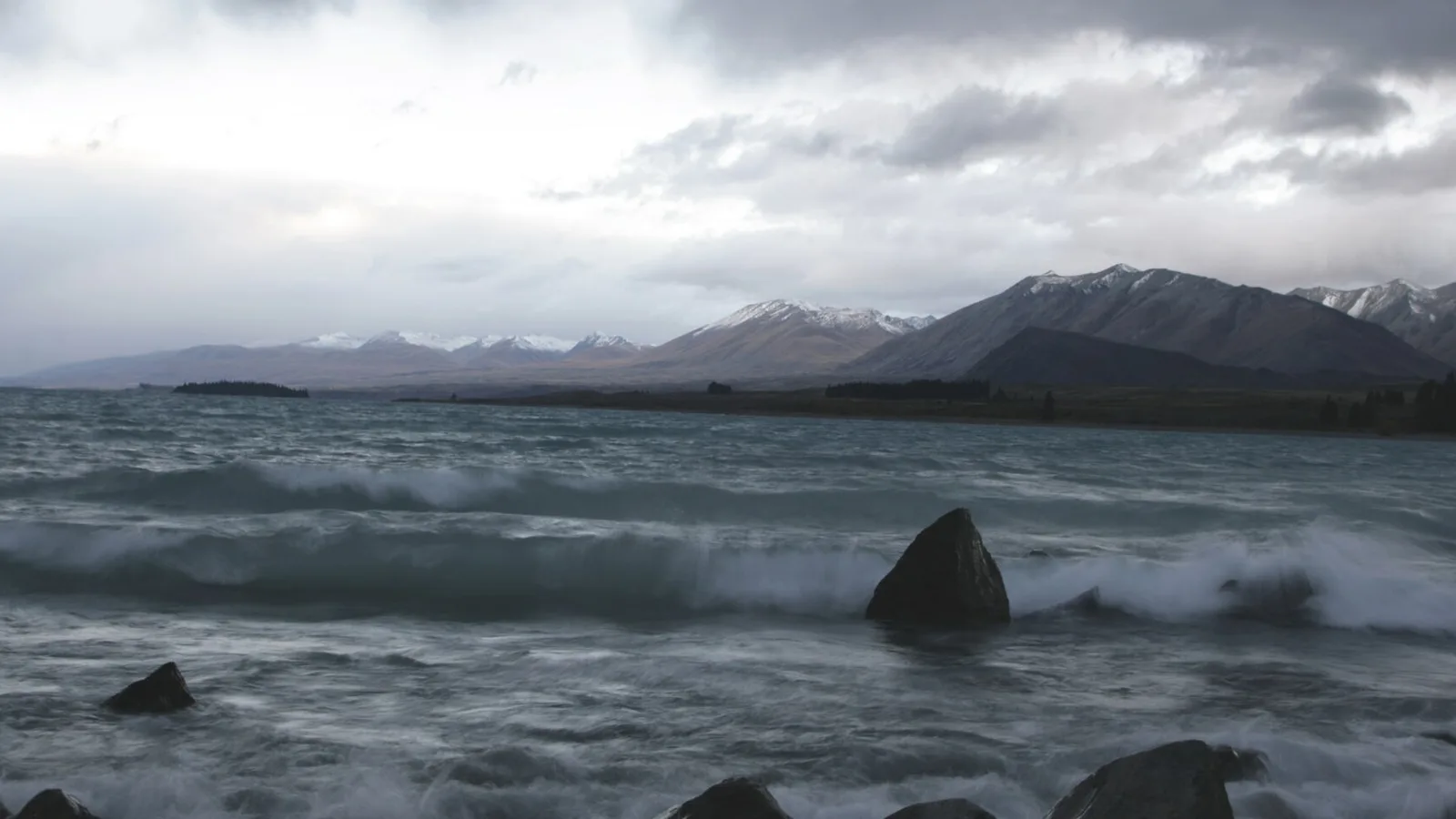
New Zealand weather can shift from local inconvenience to road closure or evacuation. Campers need to connect the warning to the exact valley, coast, river and road rather than treating rain as a uniform national event.
Use official warnings
Check MetService severe weather information and local Civil Defence channels before departure and during any active system. Waka Kotahi and councils provide the road consequences.
Weather at a nearby town may not describe an alpine pass or coastal camp. Read the warning area and expected timing.
Move before conditions peak
Leave river flats, low coastal ground and exposed forest camps early when authorities advise it. Do not wait for visible flooding or falling branches to confirm the forecast.
Park facing a safe exit without blocking others. Keep keys, shoes, warm layers and essential medication ready.
After the storm
Assume fords, slips and unsealed roads may remain unsafe after rain ends. Never drive through floodwater or around a closure.
Recheck drinking-water notices and campground status. A calm morning does not prove damaged access has reopened.
Weather here changes faster than the forecast
New Zealand sits in the path of systems crossing the Tasman with nothing to slow them, and conditions can shift completely within an hour. A forecast for a town tells you relatively little about a pass, an exposed coast or a valley twenty minutes away.
Check MetService for the specific location rather than the region, and check again in the morning before committing to an exposed site or an alpine road. Treat a forecast more than two days out as an indication rather than a plan.
- Check the location, not the region
- Recheck each morning
- Two-day forecasts are indications
Wind is the most common problem
More camping trips are damaged by wind than by rain. Awnings left out, tents pitched broadside and roof vents left open account for most of it, and wind commonly rises through the evening rather than dropping off at dusk.
Pitch with the smallest profile into the wind, use every guyline rather than the minimum, and bring awnings in before you go to bed rather than when they start moving. Choose shelter over the view when the forecast is strong.
Flooding and river flats
Braided riverbeds and low river flats look like ideal camping and are the most dangerous ground available in heavy rain. Rivers here rise extremely quickly, and rain falling in the headwaters hours away and out of sight is what catches people out.
Camp above the obvious flood level, never on a gravel bar or island, and leave if the water starts rising or discolouring. Do not attempt to drive through floodwater; the depth and whether the road is still under it are both unknowable from the vehicle.
- Never camp on a gravel bar
- Rain upstream floods clear skies
- Never drive through floodwater
Warnings and what to do with them
MetService issues watches and warnings, Civil Defence publishes emergency advice, NZTA covers road closures and DOC posts track and campsite alerts. Between them they cover everything that would change your plans, and they need checking while you still have signal.
When a severe weather warning covers your area, move to a serviced campground, a cabin or a town. That is not an overreaction: exposed camping in a genuine New Zealand storm is unpleasant at best and dangerous at worst.
Making the call to move
The decision people get wrong is staying put because moving feels like abandoning the plan. Relocating to a serviced campground, a cabin or a town before a front arrives costs a night's fee and a short drive, and it removes almost all of the risk.
Make the call while you still have daylight and reception rather than once conditions have started. Driving out of an exposed site in a rising storm after dark is considerably worse than either staying put or having left earlier.
Identify a specific fallback for each region instead of a vague intention to find something. Knowing the name of the holiday park and that it has space is what makes the decision easy at the moment you need to make it.
After the weather passes
Slips, fallen trees and washed-out fords can persist for days after the rain stops, and road openings lag behind the forecast. Check conditions again before moving rather than assuming a clear morning means a clear route.
Rivers stay high and discoloured well after the rain, so crossings that looked fine on the way in may not be on the way out. Rebuild the day around what the road and river are doing, not the sky.
- Roads reopen after the weather clears
- Rivers stay high for longer
- Recheck before moving on
Orte entlang der Strecke
Vor der Abfahrt prüfen
Regeln und Bedingungen ändern sich. Prüfe vor der Abfahrt noch einmal die offizielle Quelle und die Seite deines konkreten Parks oder Campingplatzes.
Häufige Fragen
How much warning do New Zealand storms give?+
Often less than a day. Weather here can turn from settled to severe in hours, particularly on the West Coast and in the exhausted alpine passes, so a forecast checked yesterday is not a plan.
What should you do if a severe weather warning is issued while camping?+
Move off riverbanks, beaches and under trees, and get to a town or a sheltered formal campground rather than sitting it out. Road closures follow storms quickly, so leaving early is usually the only option you get.
Nimm es mit auf die Straße
Stopps speichern. Ganze Reise planen.
Bau aus gespeicherten Orten eine geordnete Route, berechne die Entfernung und behalte Termine, Notizen und To-dos daran.