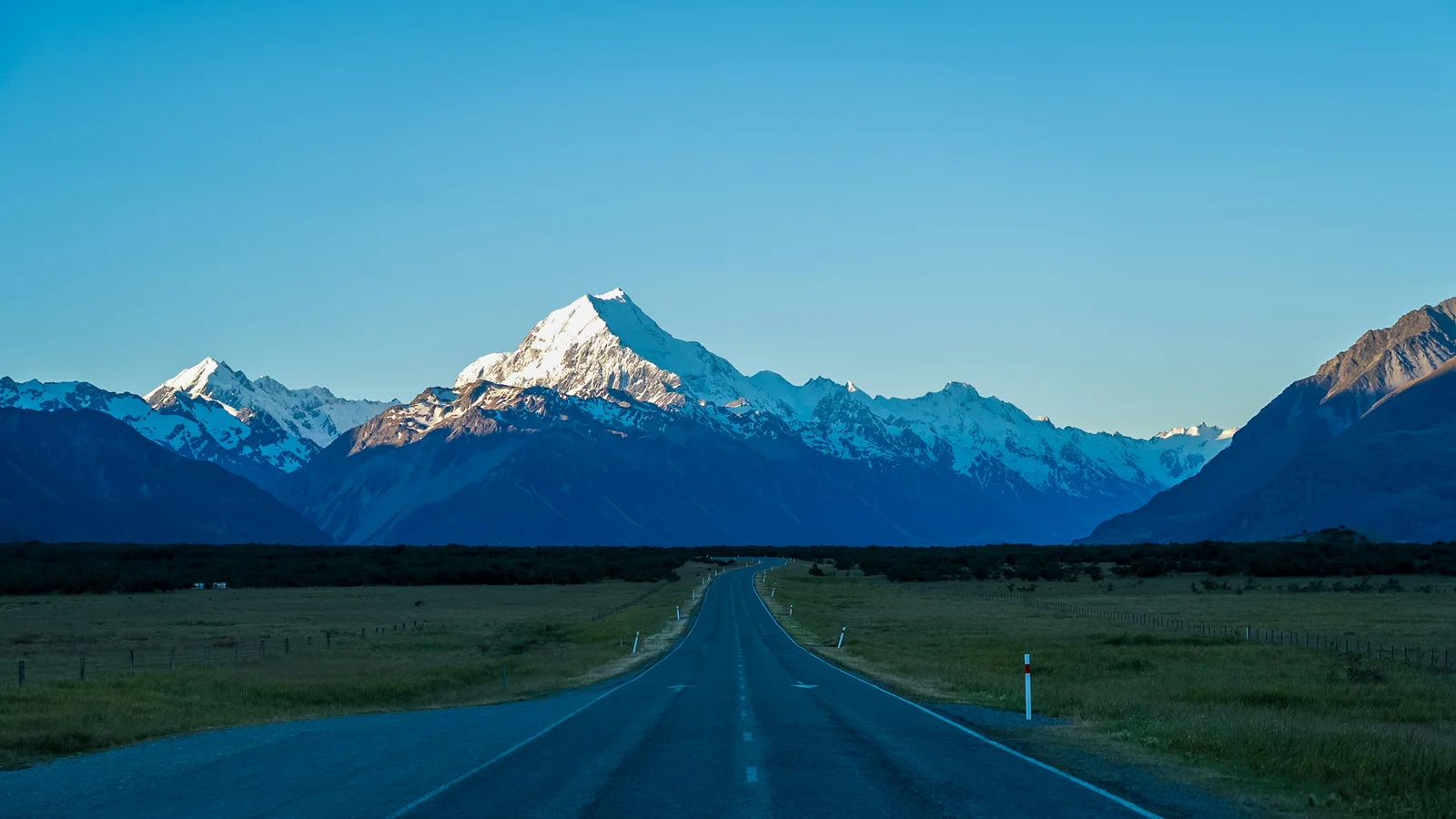
New Zealand's camping network runs across four quite different kinds of land, and the rules, price and booking system change with each one. Knowing which type you are looking at tells you most of what you need: whether you can turn up, whether you need certification, who to ask when something is unclear, and what you should expect to pay.
The four land types
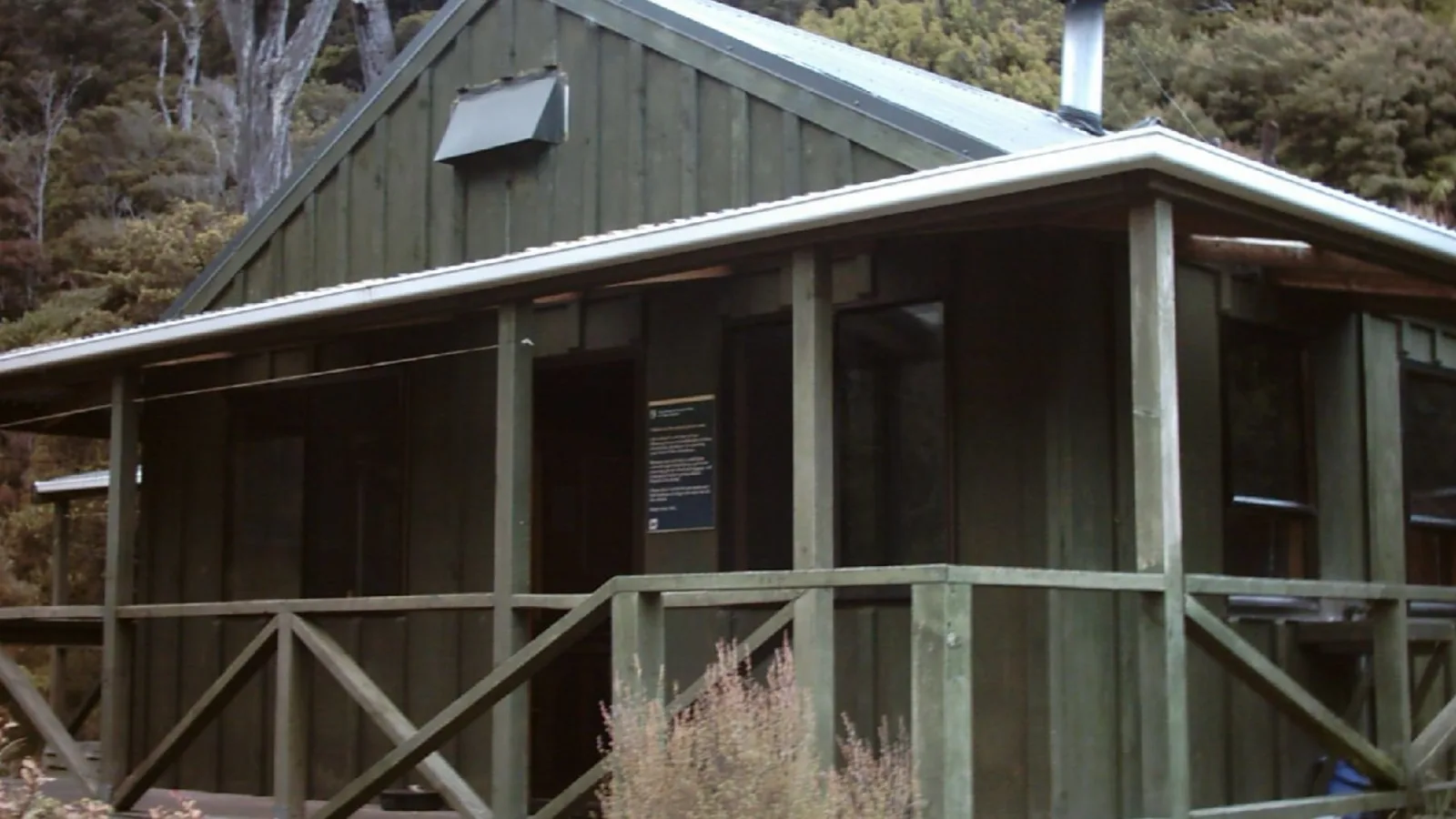
The Department of Conservation manages the largest public network, several hundred campsites and roughly 950 huts across national parks, forest parks and scenic reserves. Sites are graded from basic through standard and serviced to Great Walk, and the grade predicts both the fee and the facilities. Basic sites can be free or a few dollars per person; serviced campgrounds have flush toilets, powered options and often a warden.
Council reserves are the backbone of freedom camping. They are governed by local bylaws rather than national rules, usually allow one or two nights, and are frequently restricted to certified self-contained vehicles. Because each council writes its own bylaw, a rule that applies in one district tells you nothing about the next one.
Holiday parks and iwi-managed places
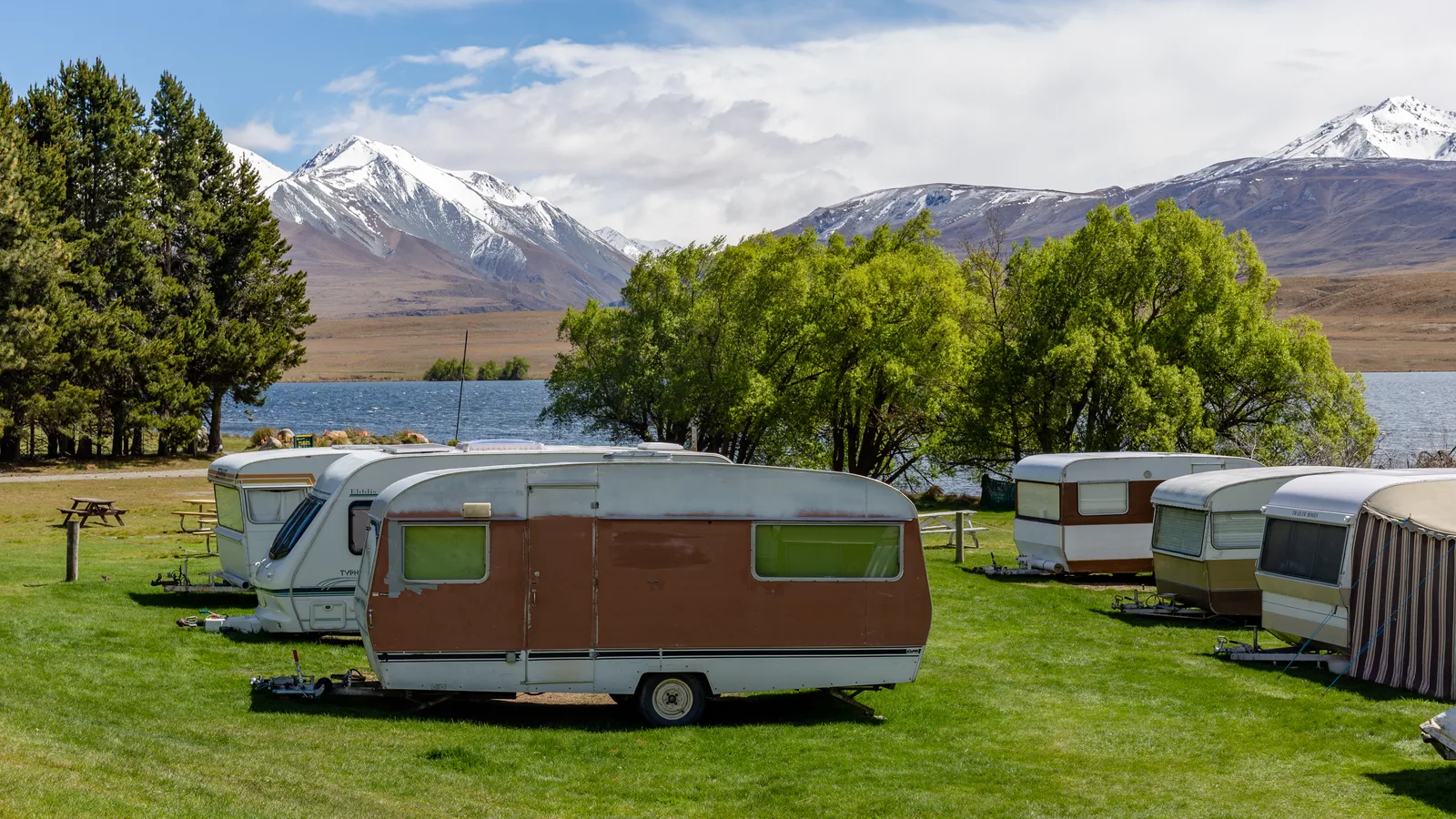
Private holiday parks provide powered sites, hot showers, laundries, kitchens and cabins. They work best as reset points between remote nights, when tanks, batteries, washing and people all need attention at once. In peak season and around events they book out well ahead.
Iwi, hapū and community-managed places, marae campgrounds, showgrounds, domain reserves, offer something the commercial network does not, and they operate on their own terms. Respect tikanga, pay koha where it is requested, and confirm availability in advance rather than arriving unannounced.
- Match the land type to the night you need
- Book holiday parks early in summer
- Contact community-managed places ahead
North Island in outline
Northland pairs a long coastline of DOC and council sites with strong seasonal demand and some closures during significant cultural events. The Coromandel has beachfront DOC sites that fill immediately over summer, while Waikato, Taupō and Rotorua mix geothermal holiday parks with lakeside options.
The central plateau serves Tongariro walking from parks near Whakapapa and Tūrangi. Gisborne and Hawke's Bay blend surf-side DOC camps with council-managed areas, and Wellington's options are shaped by ferry timing more than by scenery, an early sailing is worth a duller last night.
South Island in outline
Marlborough's Queen Charlotte Drive has DOC and concession sites along the Sounds. Nelson Tasman combines Golden Bay council sites with the Abel Tasman campgrounds, most of which are booked rather than turn-up.
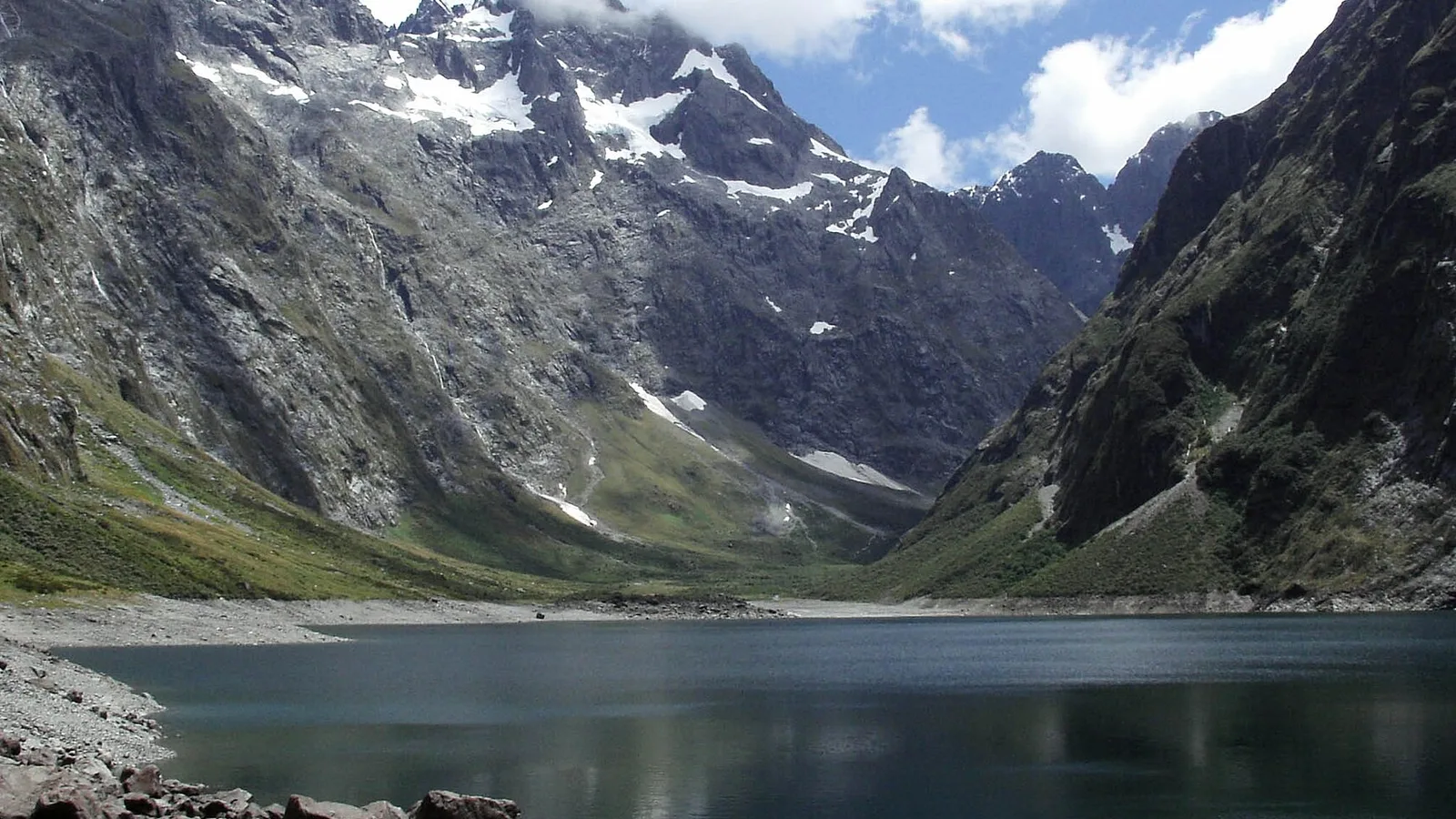
The West Coast rewards travellers who accept rain and sandflies for near-empty campsites. Canterbury runs from braided river country to alpine holiday parks, and Otago and Southland hold some of the best-known sites in the country. Fiordland is largely booked DOC accommodation, and freedom camping close to the fiords is not permitted.
- Book Abel Tasman and Great Walk sites early
- Fiordland needs DOC bookings
- West Coast trades weather for space
What each land type costs
DOC basic sites are free and DOC standard sites generally run $10–$20 per adult per night, charged per person rather than per site. Serviced DOC campgrounds sit around $25 per adult. Because the charge scales with people, a family is often better off at a holiday park quoting a flat site rate.
Council freedom camping areas are usually free but may require a permit, and holiday parks range from roughly $25 to $80 for a site depending on season, location and power. Iwi and community-managed places frequently operate on koha rather than a fixed rate, which is not an invitation to underpay.
- DOC charges per adult
- Holiday parks may suit families better
- Koha is not a discount
Booking, or turning up
The four land types behave differently on arrival. Great Walk and Abel Tasman campsites are booked well ahead and turning up is not an option. Most DOC sites are first-come, which works outside peak season and fails badly between Christmas and late January. Holiday parks take bookings and fill early in beach towns.
Council freedom camping areas cannot be reserved at all, which is exactly why they need a fallback. The workable pattern is to book the nights that are hard to replace, stay flexible on the rest, and always know where the nearest paid site is.
The legal guardrails
Freedom camping is legal only where it is permitted, and in many districts only for certified self-contained vehicles with a fixed toilet. Older blue certifications remain valid only until they expire, and no later than 31 December 2027, after which a current green warrant is required. The certification is about the vehicle's capability, not your intentions, and enforcement is generally against the vehicle.
On-site signage overrides every app, PDF and blog post, including this one. Where a sign and a cached listing disagree, follow the sign. DOC visitor centres and i-SITEs hold current closure and alert information that has not reached third-party data yet.
Season and access
Winter closes or restricts alpine access, Arthur's Pass, the Lindis and the Desert Road can all be affected by snow, and some DOC roads shut temporarily after heavy weather. Chains may be required, and a two-wheel-drive van is not always the right vehicle for a winter route.
Summer inverts the problem: access is easy and availability is not. Popular coastal sites fill by early afternoon between Christmas and late January. Book what you can, hold a paid alternative for what you cannot, and avoid arriving anywhere after dark with no fallback.
Places along the way
Check before you go
Rules and conditions change. Recheck the official source and the page for your exact park or campground before departure.
Common questions
What are the different types of camping in New Zealand?+
Broadly five: DOC campsites, backcountry huts, commercial holiday parks, freedom camping areas set by local councils, and private or farm stays. They differ in price, facilities and what vehicle they will accept, and the rules attached to each are set by different bodies.
Can you just pull over and camp anywhere?+
No. Camping outside a designated area is restricted almost everywhere and enforced with instant fines in many districts. What is allowed depends on the local council bylaw and on whether your vehicle is certified self-contained.
Take it on the road
Save the stops. Plan the whole trip.
Build an ordered route from saved places, calculate the distance and keep dates, notes and to-dos attached.