The most photographed campsite in the country is not automatically the best place to be tonight. A view is worth having, but it competes with wind exposure, drainage, access, facilities and whether you can get a large vehicle onto the pitch in the dark. The good news is that New Zealand has enough spectacular sites that you rarely have to choose only one.
Northland and the upper North Island
The Far North delivers long empty beaches and campsites close to the water, with the trade-off that many are exposed and some close during significant local events. Sites around the Bay of Islands and the Karikari Peninsula combine swimming with reasonable shelter.
The Coromandel is the classic summer choice, with DOC sites tucked behind pōhutukawa on the east coast beaches. It is also the most competitive area in the country between Christmas and late January, when arriving without a booking is close to hopeless.
Central and lower North Island
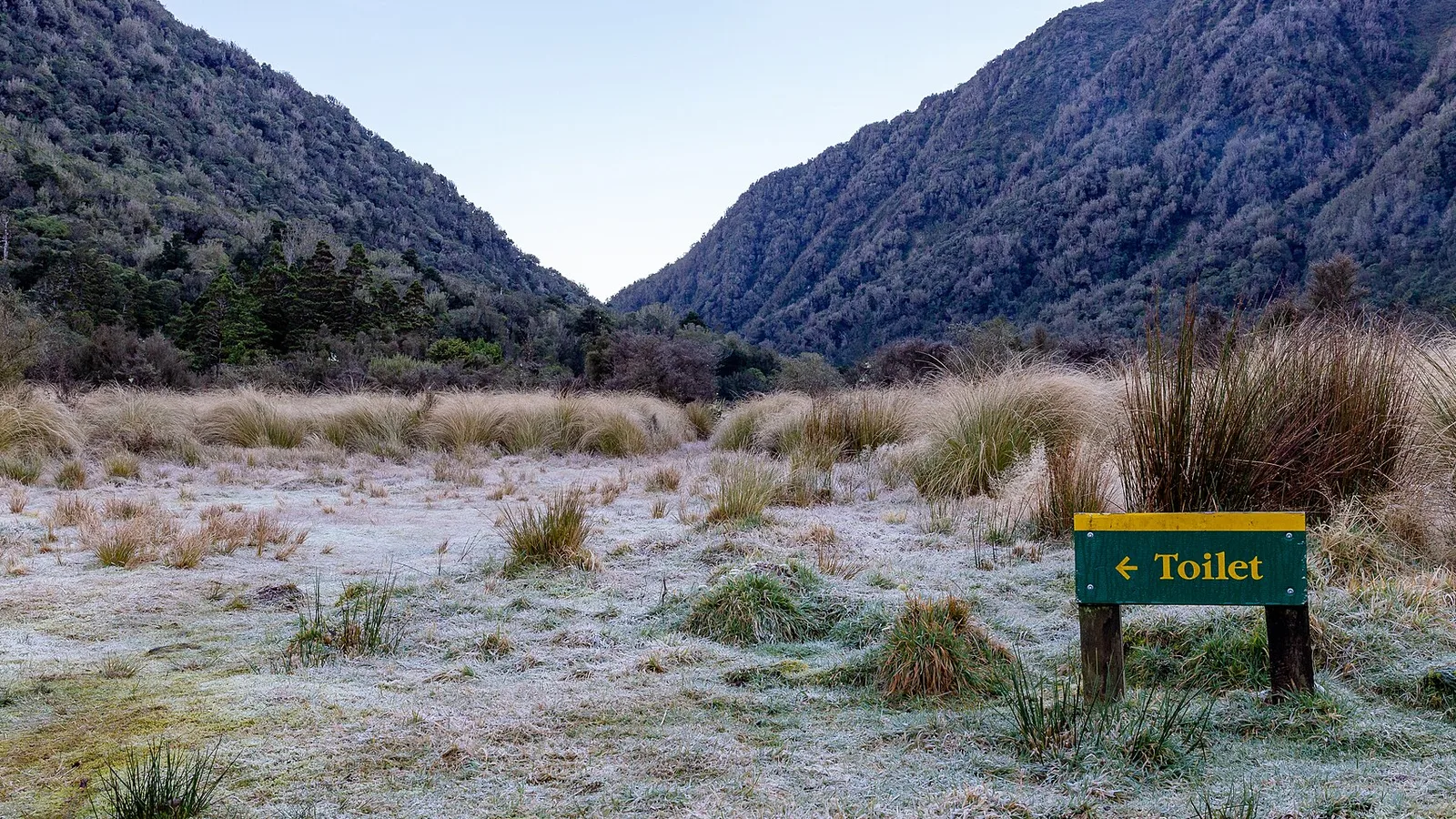
The central plateau offers something different: open tussock, volcanic horizons and genuinely dark skies around Tongariro, with the caveat that it is high, cold at night and windy far more often than photographs suggest. Lake Taupō's eastern shore has accessible sites with the mountains across the water.
Further south, the Wairarapa coast and the wild beaches near Castlepoint reward the detour, and Whanganui's river country is quiet in a way the coast never is. These are places where the scenery is in the landscape rather than a single viewpoint.
- Central plateau is cold and exposed
- Coromandel needs booking in summer
- East coast beaches suit sheltered nights
Top of the South and the West Coast
Abel Tasman's coastal campsites are among the best-known in the country and are booked rather than turn-up, often months ahead. Golden Bay and the Marlborough Sounds offer water-edge sites with easier access and less competition.
The West Coast is where the drama is: Lake Mahinapua, the beaches near Hokitika, and the sites around the glaciers. Accept the rain and the sandflies and you get scenery that is genuinely world-class with very few people in it. Bring repellent and expect to dry gear later.
Canterbury, Mackenzie and Otago
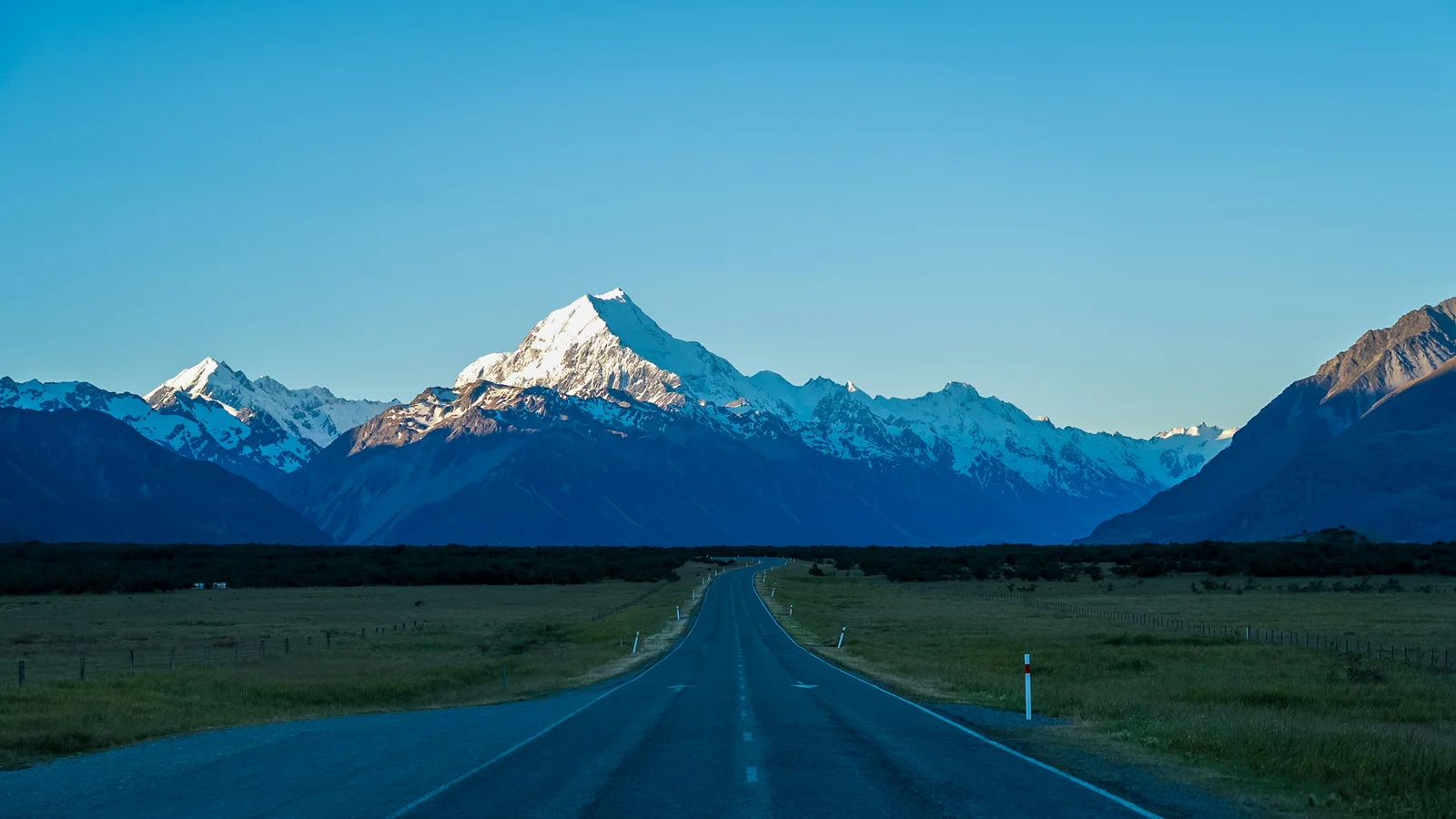
The Mackenzie Basin is the one most people come for, turquoise lakes, the Southern Alps behind them, and some of the clearest night skies anywhere, protected as a dark sky reserve. Sites around Lake Pukaki and Lake Tekapo deliver the view directly from the door, and they are cold, exposed and busy in proportion.
Central Otago trades lakes for gold-country landscapes and enormous autumn colour, while the Otago coast around the peninsula adds wildlife to the scenery. Wānaka and Glenorchy sit at the point where accessible and spectacular overlap most comfortably.
- Mackenzie skies are the draw
- Lakeside means wind
- Autumn is Central Otago's season
Fiordland, Southland and the Catlins
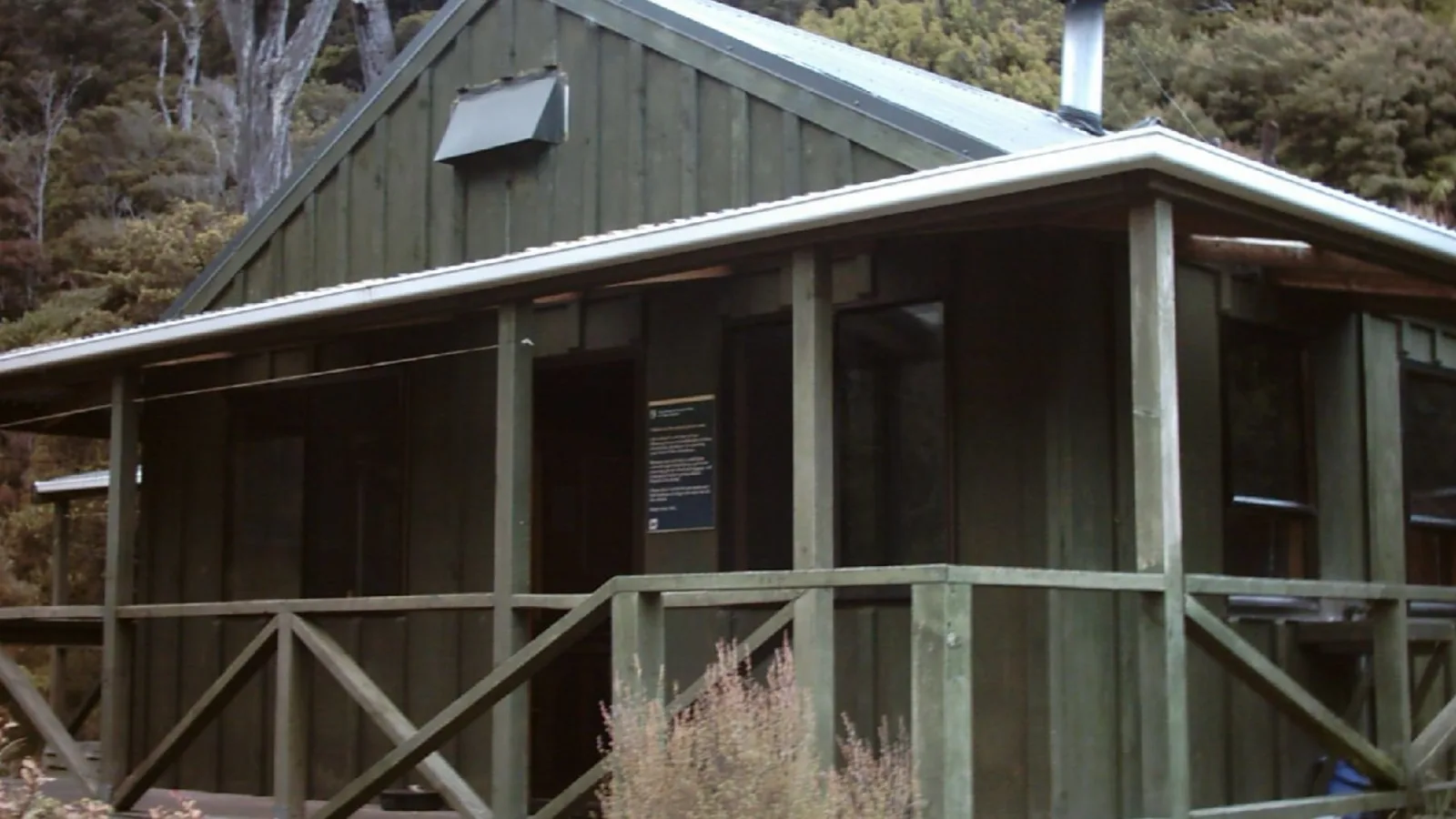
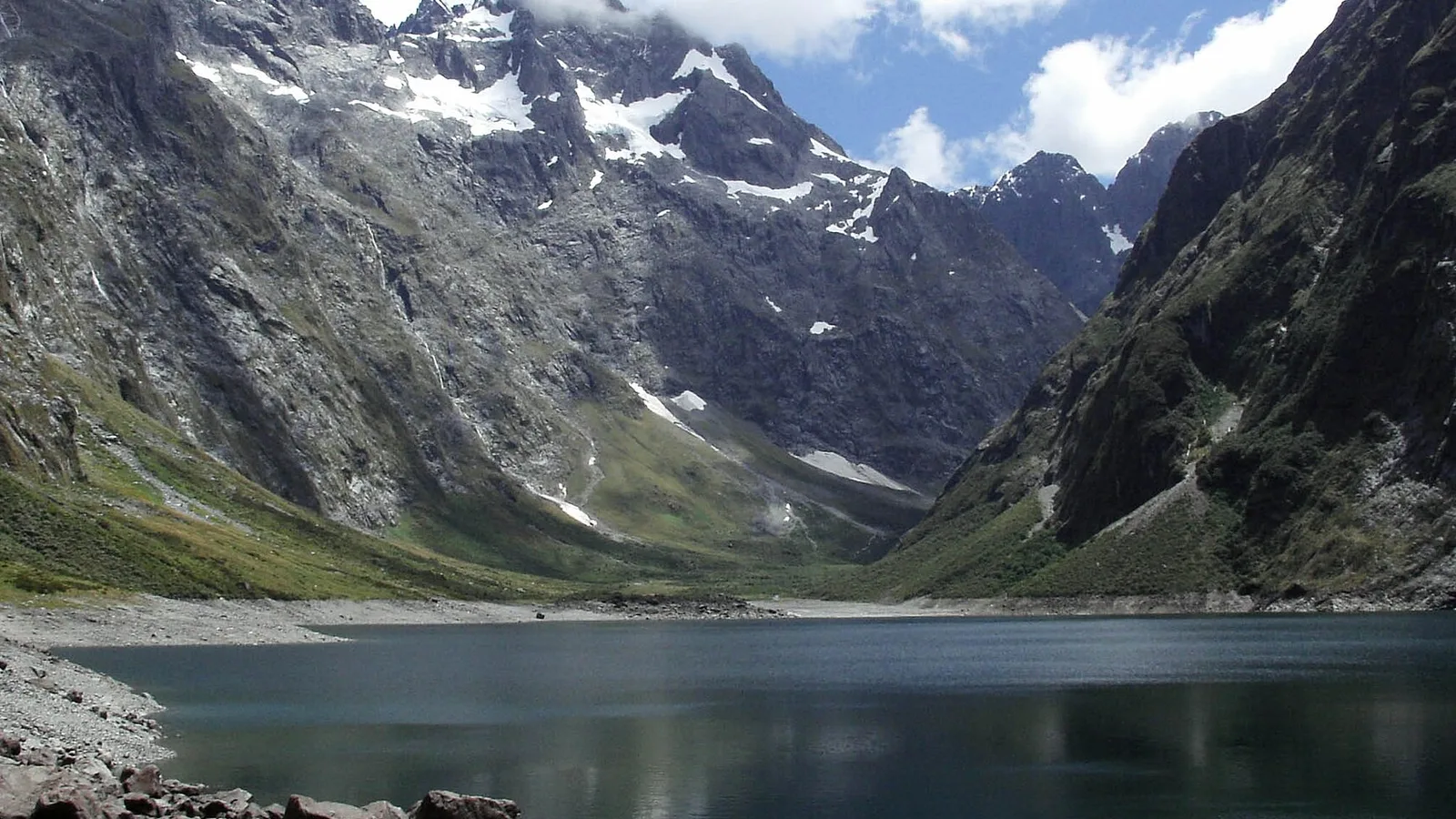
Fiordland is largely booked DOC accommodation and freedom camping near the fiords is not permitted, but the sites along the Milford road and around Te Anau are extraordinary. Weather here is its own planning constraint rather than a detail.
The Catlins coast is quieter than almost anywhere else with comparable scenery, sea lions, penguins, waterfalls and a coastline that feels genuinely remote. Stewart Island, if you have the days, is a different experience again.
Judging a site when you arrive
Read the landscape rather than the photograph. Lakeshores amplify wind and it usually rises in the evening. River flats and braided riverbeds flood far faster than they look capable of. Forest sites carry falling-branch risk in wind, particularly under older trees.
Arrive in daylight and walk the pitch before committing a large vehicle: check the slope, the firmness of the ground and the soft edges, look up for overhead branches, and confirm another vehicle can still get past you. A remote site also costs fuel and time to reach, so the nominally free night is sometimes the more expensive one.
- Walk the pitch before driving onto it
- Wind rises on lakeshores at evening
- Look up before parking under trees
Leaving it as you found it
Stay on formed surfaces, use the toilets provided, and keep every waste stream contained. Do not move rocks, cut vegetation or improve a pitch to make a better photograph, these are exactly the marks that get a site closed.
Leave early if you like, but leave clean and quietly. Dawn light is not a reason to run a generator, fly a drone where it is prohibited, or wake a campground packing up. The best scenic sites stay open because the people who use them are unremarkable neighbours.
Places along the way
Check before you go
Rules and conditions change. Recheck the official source and the page for your exact park or campground before departure.
Common questions
Which New Zealand campsites have the best views?+
The strongest are concentrated where the road meets water or mountains: the Catlins and Fiordland in the south, the Coromandel and Bay of Islands in the north, and the lake country around Tekapo and Wānaka. This guide lists them region by region.
Do scenic campsites need booking?+
The well-known ones do, and in January the good ones go months ahead. Many of the quieter scenic sites are still first-come, which is where arriving early in the afternoon rather than at dusk makes the difference.
Take it on the road
Save the stops. Plan the whole trip.
Build an ordered route from saved places, calculate the distance and keep dates, notes and to-dos attached.