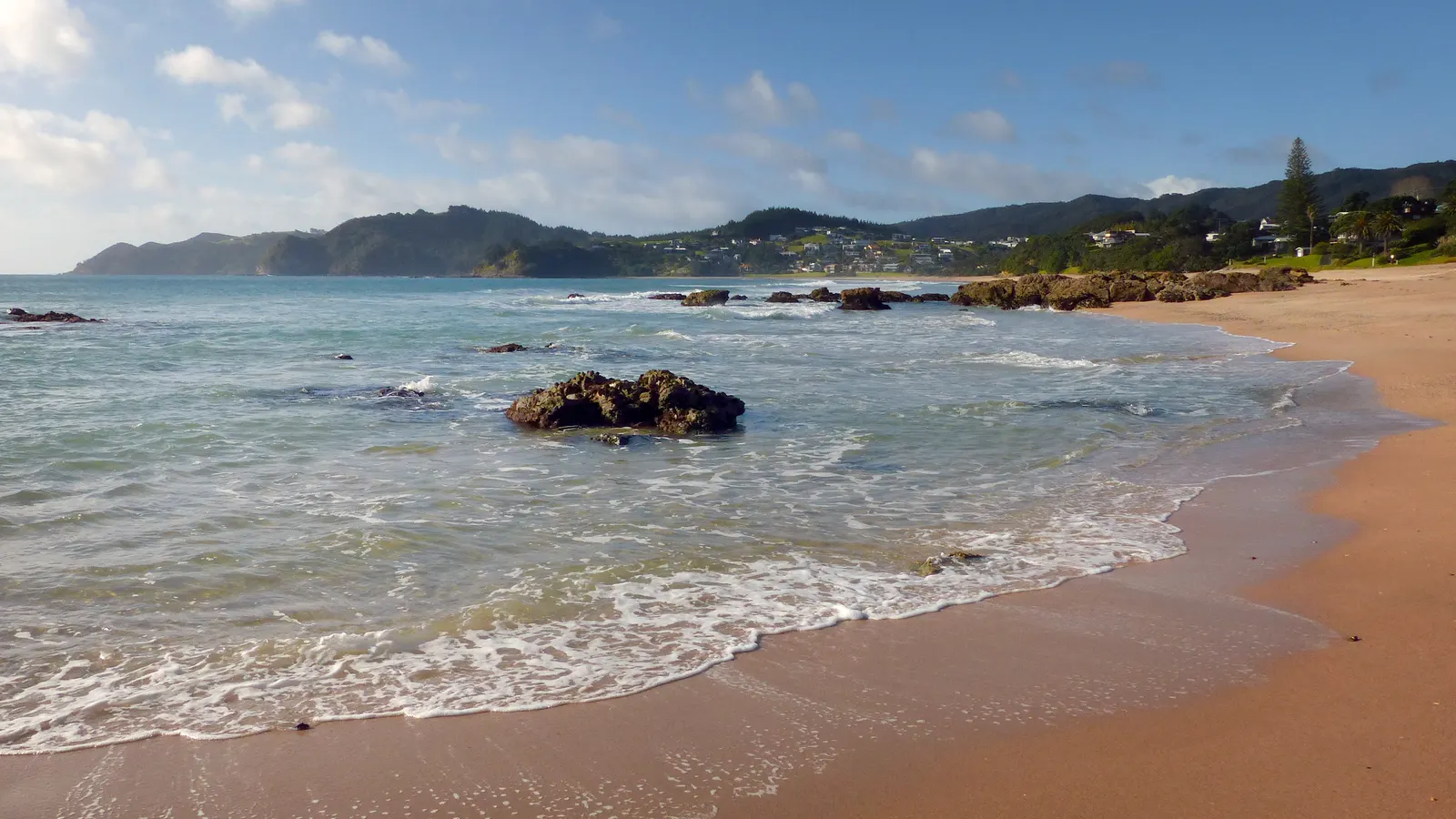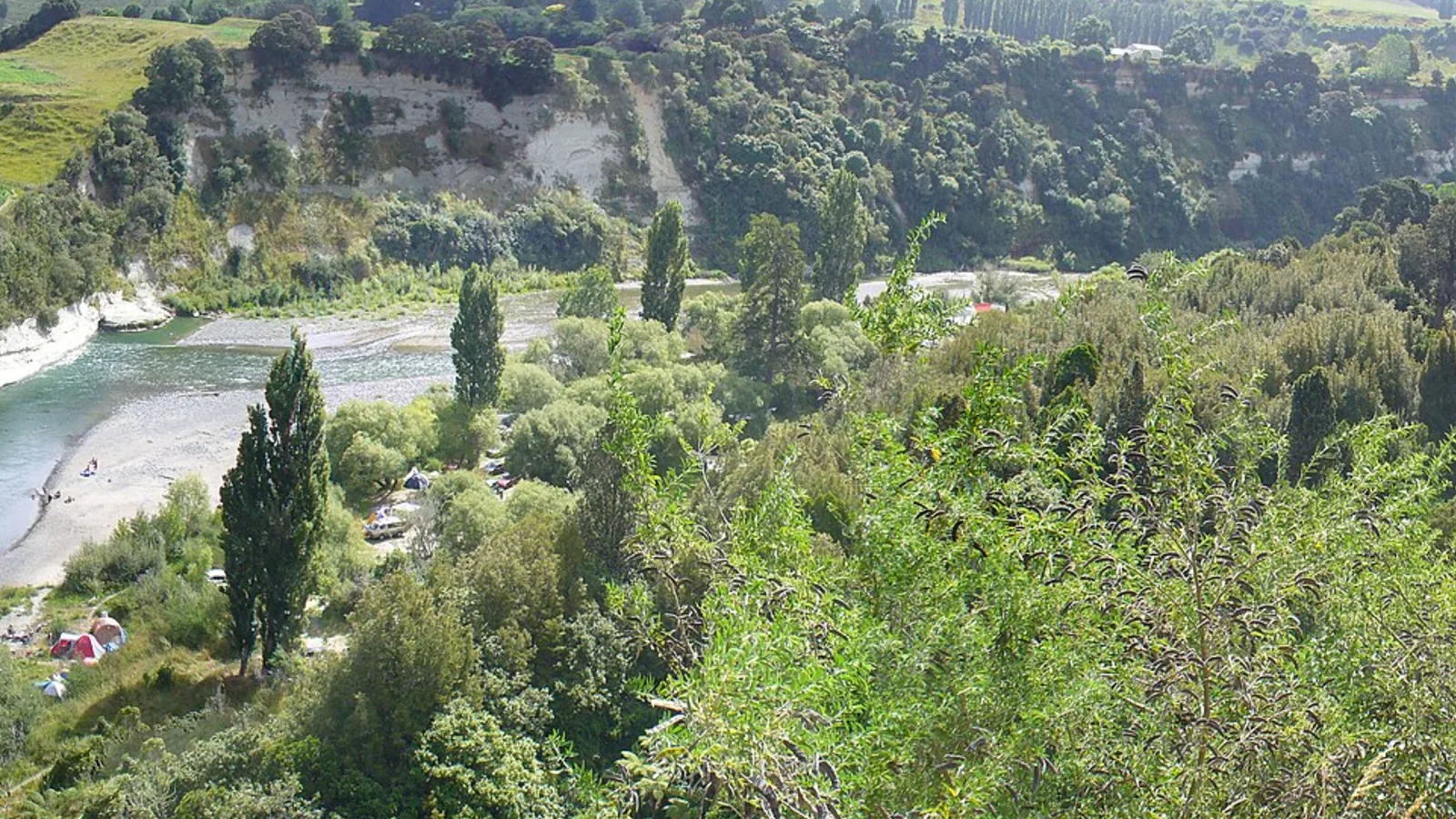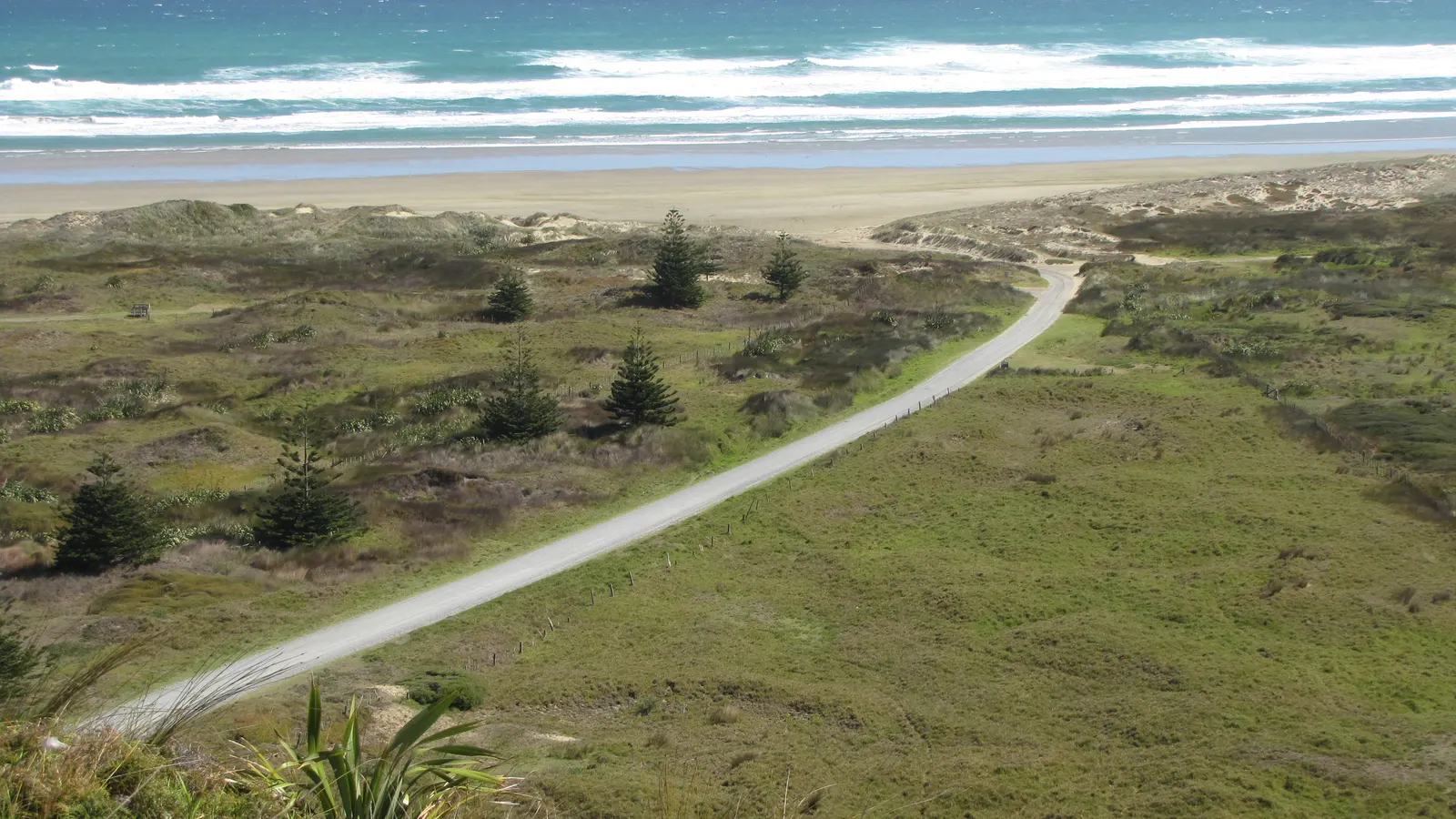
It depends on the beach. Under the Land Transport Act a beach counts as a road, so every road rule applies, but a council bylaw, a regional plan or DOC land status can ban or restrict vehicles on a given stretch, and several popular beaches now do. Ninety Mile Beach is open to vehicles with 30 and 60 km/h limits, Muriwai and Karioitahi need an Auckland Council permit, Ruakākā and Pāpāmoa are largely closed or restricted, and a rental campervan is usually the wrong vehicle for any of them.
A beach is a road, and that cuts both ways
The Land Transport Act 1998 defines a road to include a beach. That means the driver needs the right licence, the vehicle needs current registration and a warrant of fitness, and the rules on speed, alcohol, seatbelts and helmets apply as they do on any street. Auckland Council puts it plainly: beaches are policed, so carry photo ID.
The same Act also lets a road controlling authority make bylaws that prohibit or restrict vehicles on beaches, with fines of up to $1,000 for a breach. So a beach is open to traffic by default and closed wherever a bylaw, a regional rule or a land manager says so. Nothing on the sand tells you which applies unless there is a sign, which is why the answer has to be checked beach by beach.
- A beach is a road in law
- Councils can close it to vehicles
- Licence, registration and WoF all still apply
Ninety Mile Beach (Te Oneroa-a-Tōhē)
Vehicles can use Ninety Mile Beach, but the limits changed. The Te Oneroa-a-Tōhē Board, set up under Treaty settlement law, advises 30 km/h for 200 metres either side of each beach on and off ramp and 60 km/h on the rest, where the old default was 100 km/h. Far North District Council set the limits under its Speed Limits Bylaw 2019, and the Board says they are signposted and enforceable.
The Board's guidance is to use only approved access ramps, check the tide before you drive, avoid driving at night or after drinking, keep off the dunes and stay away from nesting shorebirds. It also states that camping, campervans, hitchhiking, fires and littering are prohibited along the length of the beach, so it is a place to drive through, not to park a campervan overnight. The Board describes the beach as not a highway, and mobile coverage is intermittent in places.
- 30 km/h near ramps, 60 km/h elsewhere
- No camping or campervans on the beach
- Check the tide before you go
Northland: new no-vehicle zones
Northland Regional Council now enforces mapped vehicle exclusion zones below mean high water springs, effectively the wet sand below the high tide line. The mapped areas include Waipū Cove and its estuary, Ruakākā Beach and estuary, Ocean Beach to Kauri Mountain at Whangārei Heads, Ngunguru, Matapōuri, Whananaki, Helena Bay, Bland Bay, Takou Bay, Matai Bay, Puheke Beach and several harbours. Everywhere else in the region, vehicles must avoid pipi and cockle beds, salt marsh, seagrass and nesting or roosting sites.
Whangārei District Council adds a bylaw on top. Under its Control of Vehicles on Beaches Bylaw, vehicles are prohibited at all times on parts of Ruakākā Beach, both south and north of the river mouth, and on part of Langs Beach, and prohibited on all dunes. A breach carries a fine of up to $500, and an officer can order you off the beach for 24 hours. The council has proposed adding Bland Bay, Ōakura, Woolleys Bay, Matapōuri, Whangaumu and Uretiti Beach south of Tip Road, and consulted on the change until 7 September 2026, so check the council page before relying on an older map.
- Check the regional exclusion map before driving
- Dunes are off limits in Whangārei District
- Pending changes are due November 2026
Auckland and Bay of Plenty
In the Auckland region you can drive on Muriwai and Karioitahi beaches only with a beach driving permit, which Auckland Council says is free, lasts a year and must be renewed per vehicle. You must carry the permit (a phone copy is fine) and photo ID. The limits include 30 km/h near the main access points at Muriwai, 60 km/h elsewhere at Muriwai, 20 km/h within 1,000 metres either side of Karioitahi Road and 60 km/h beyond that. Auckland's guidance also says to take a spade and a rope, drive with headlights on and limit access to three hours either side of low tide.
Driving on all other Auckland beaches is prohibited except to launch or retrieve a boat or in an emergency, or with a separate beach access permit. Tauranga City Council takes a similar line at Pāpāmoa and Mount Maunganui: vehicles are generally not permitted on the beach, with exceptions to launch or retrieve a vessel at Taylor Reserve, Harrison's Cut and Pāpāmoa Domain, and permitted ATVs for fishing east of the Karewa Parade access point at 20 km/h.
- Free Auckland permit, renewed each year
- Carry the permit and photo ID
- Pāpāmoa is mostly closed to vehicles
Dunes, shorebirds and DOC land
Dunes are the part drivers damage most, and the rules are strict. Northland Regional Council says one pass can kill dune plants and that vehicles are prohibited from most dunes. Use only signposted access tracks, and stay on the harder sand between the waterline and the high tide mark. Shorebirds nest in the soft sand and on the lower dunes, where nests are well camouflaged and easily run over.
DOC reports vehicles driving through cordoned-off nesting areas, which breaches local bylaws. DOC's Rarawa Beach page notes that vehicle access rules have changed in several places in Northland and that you can no longer drive on the beach in some of them. To report a vehicle in a protected area, DOC takes calls on 0800 DOC HOT (0800 362 468), and the Regional Council takes reports of damage to dunes.
- Stay below the high tide line
- Keep clear of nesting birds
- Report to 0800 362 468 or the Regional Council
Rental campervans and insurance
The beach is where a rental contract and the law part company. A beach can be a legal road and still be an excluded road in your rental agreement, and many hire agreements exclude beaches and unsealed roads, with damage cover that can fall away if you go there. Terms differ between companies, so read the exclusions in your own agreement and the insurance excess terms before you drive onto sand.
A heavy, two-wheel-drive motorhome is the vehicle most likely to bog down, and a rising tide will not wait for a recovery truck. NRC's guidance is that soft sands are dangerous, to identify your exit route before you go on, and to take extreme care crossing streams. If you do get stuck near the tide, the Board's advice is to leave the vehicle and move to higher ground.
- Read the exclusions in your rental agreement
- Heavy 2WD vehicles bog down
- Leave a stuck vehicle and get to high ground
Fines and who enforces them
Several agencies share the job. Police deal with speeding, drink driving and licence offences on a beach as on any road; the Offences and Penalties Regulations list a $150 infringement fee for breaching a road bylaw made under section 22AB of the Land Transport Act, and councils can set their own penalties up to $1,000. Whangārei's bylaw fine is up to $500. Northland Regional Council says compliance tools under the Resource Management Act include abatement notices and infringement fines of up to $4,000, though its stated first approach is education.
Auckland Council, the Regional Council and DOC all take reports, so a vehicle in a protected area can be photographed and reported with the date, location and registration. The practical risks are usually bigger than the fine: recovery costs if you bog down, and a rental agreement that no longer covers the damage.
- Police enforce road rules on beaches
- Councils set bylaw fines up to $1,000
- Regional rules can reach $4,000
What to do instead, and how to check on the day
Park at the formed access point and walk. Most of the beaches above are better seen on foot, and a campervan is safe and legal in a car park, a holiday park or a DOC campsite, where a vehicle on the beach is not. If you want to drive Ninety Mile Beach itself, look at a tour operator or a high-clearance vehicle you are allowed to take onto sand, rather than a rental motorhome.
On the day, read the sign at the access, check the tide table, and open the council or Regional Council page for that beach while you still have coverage. If the tide or a sign rules the beach out, a DOC campsite saved in KiwiCamping on your iPhone gives you somewhere else to stop, and its details open without signal, while map tiles, routing, weather and photos need it.
The short version
Assume you cannot drive on a beach until a council or regional page says you can. Ninety Mile Beach is open at 30 and 60 km/h, Muriwai and Karioitahi need a permit, and Ruakākā, Waipū Cove and Pāpāmoa are largely closed or restricted.
Stay off the dunes, keep clear of nesting birds and check the tide. Treat a rental campervan as the wrong vehicle for sand, and confirm the rules for the exact beach on the council or Regional Council page before you drive.
Places along the way
Check before you go
Rules and conditions change. Recheck the official source and the page for your exact park or campground before departure.
- Legislation: Land Transport Act 1998 (road includes a beach; section 22AB bylaws)
- Legislation: Land Transport (Offences and Penalties) Regulations 1999
- Auckland Council: Rules for driving on Muriwai and Karioitahi beaches
- Auckland Council: Renew a beach driving permit
- Northland Regional Council: Driving on beaches
- Northland Regional Council: Vehicle restricted areas on beaches
- Whangarei District Council: Control of Vehicles on Beaches Bylaw 2009 (amended 2019)
- Whangarei District Council: Control of Vehicles on Beaches Bylaw consultation
- Northland Regional Council: Te Oneroa-a-Tōhē Beach Board summer safety programme
- Te Oneroa-a-Tōhē Board: summer beachgoer advice (Scoop)
- Tauranga City Council: Vehicles, horses and longlines on beaches
- DOC: Beach birds and vehicles don't mix
- DOC: Rarawa Beach campsite
Common questions
Can you drive on Ninety Mile Beach in New Zealand?+
Yes, vehicles can use it, but the speed limit is 30 km/h within 200 metres of a ramp and 60 km/h elsewhere, and camping, campervans and fires are prohibited along the beach. Use approved ramps and check the tide before you drive.
Is it legal to drive on beaches in New Zealand?+
It depends on the beach. The Land Transport Act treats a beach as a road, so road rules apply, but councils and regional plans can ban or restrict vehicles, as they do at Ruakākā, Waipū Cove and Pāpāmoa, and Auckland requires a permit at Muriwai and Karioitahi.
Can you drive a rental campervan on the beach in New Zealand?+
Check your rental agreement first, because beaches are often excluded and damage cover can fall away if you go there. Even where driving is legal, a heavy two-wheel-drive motorhome is easily bogged by soft sand and a rising tide.