A campervan can freedom camp on most public land only with a green self-containment warrant, including a toilet fixed in the vehicle, while a tent is governed by each council's bylaw and DOC's notices, and DOC charges the same per-person fee for a tent or a vehicle. The fines for getting it wrong are set by national regulations: $400 for freedom camping in a non-self-contained vehicle on council land and $200 for not displaying a warrant card. Facts below were read on 21 October 2026, and hire figures are the companies' own published prices.
What the law asks of a van and of a tent
DOC, citing section 5 of the Freedom Camping Act 2011, defines freedom camping as camping outside a designated campground within 200 m of a road or area accessible by motor vehicle, within 200 m of the sea or a harbour, or on or within 200 m of a formed road or Great Walks track. It covers motor vehicles including campervans, and tents, bivouacs and temporary structures. You can freedom camp on public conservation land except where prohibited or restricted, you cannot freedom camp in DOC scenic or recreation reserves unless a site is provided or approved, and fires are not allowed.
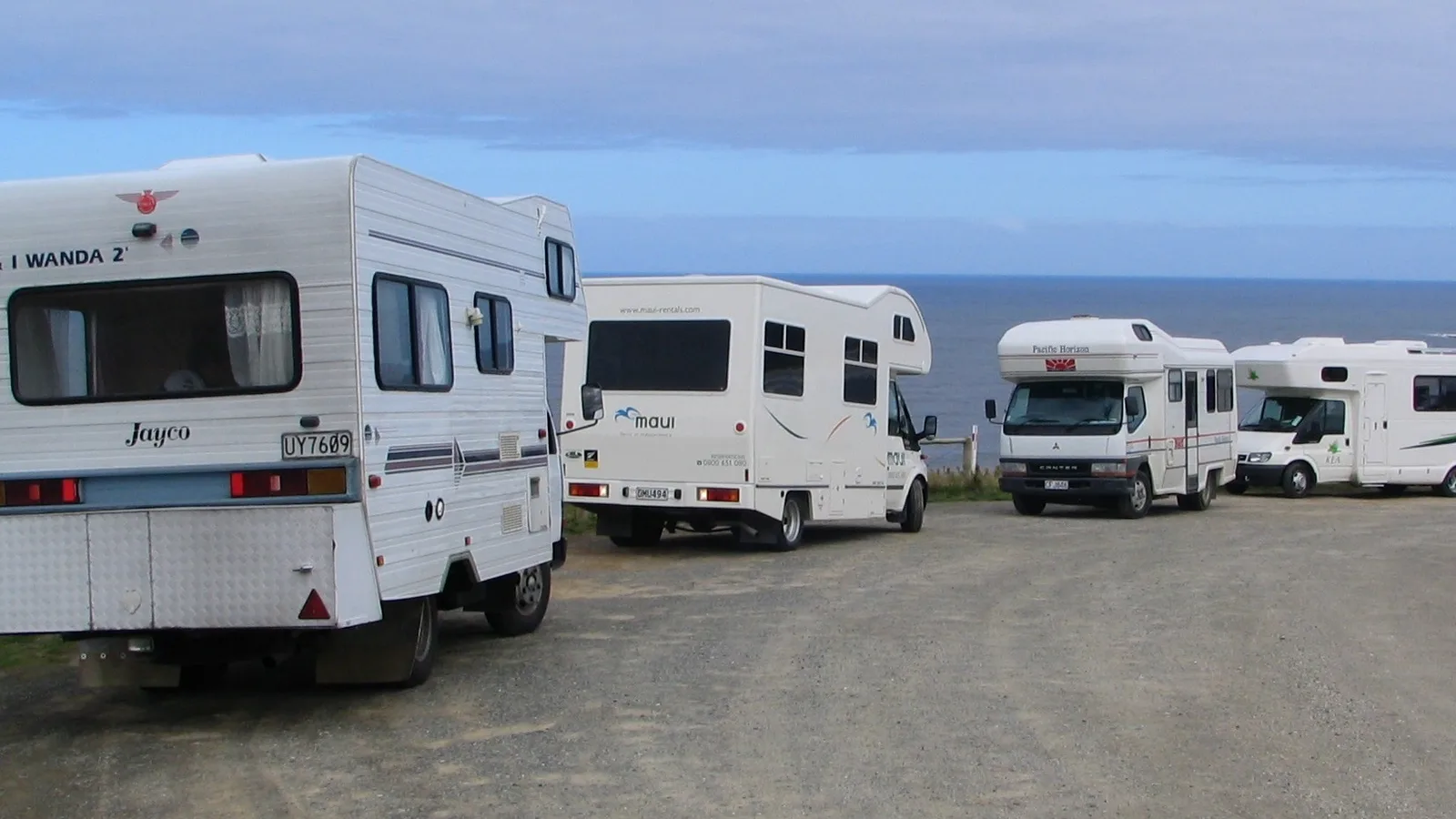
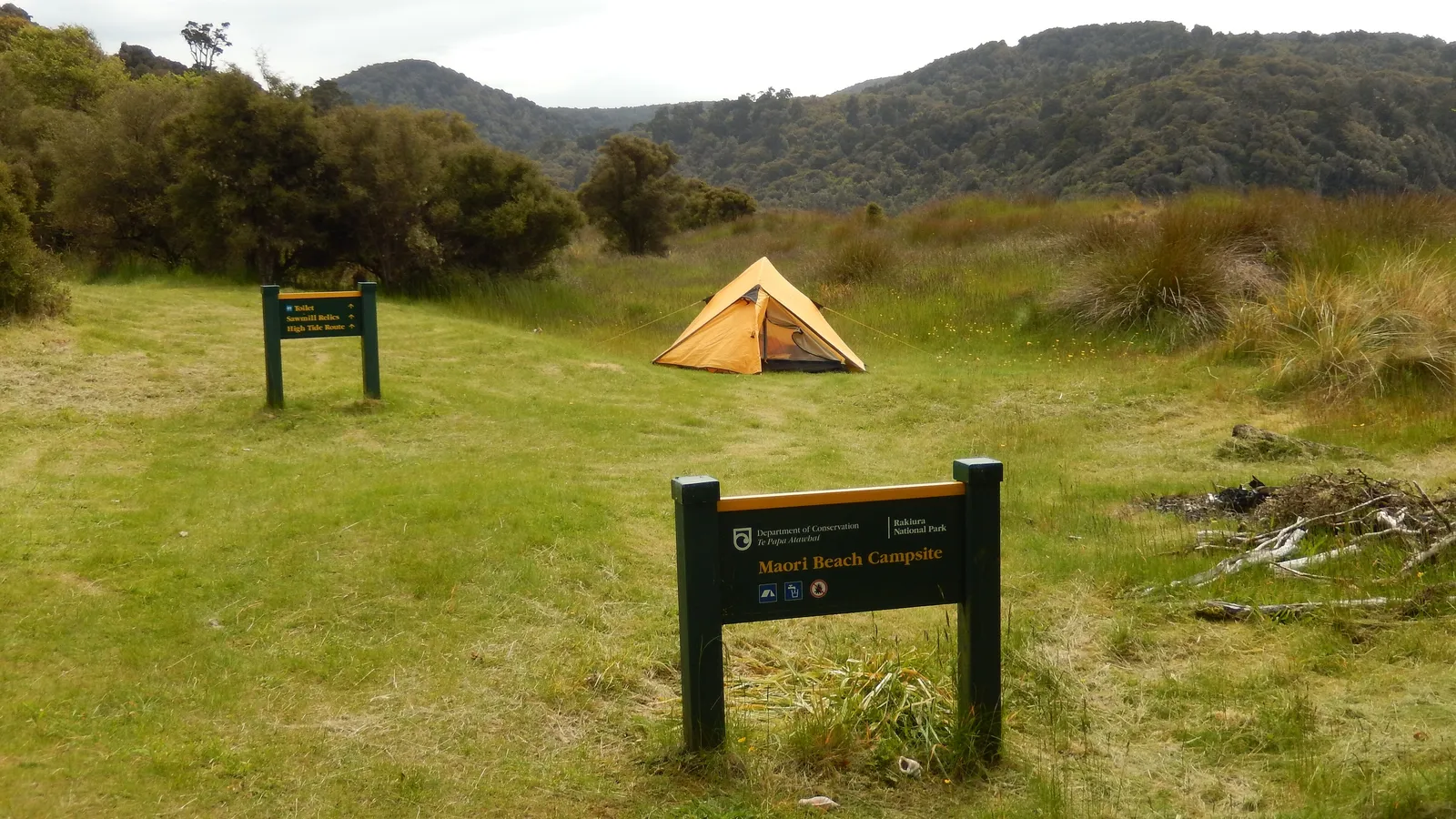
For vehicles, the default is that you can freedom camp on public land only if the vehicle is certified self-contained with a green warrant, unless the site is designated for non-self-contained vehicles. A vehicle without it can use campgrounds, holiday parks and private property. For a tent, the law's definition applies equally, so check the council's bylaw, the council's map and DOC's notice for the area before you pitch.
- A green warrant is needed for vans on public land
- Tents follow bylaws and notices
- Campgrounds are always an option
Fines in the 2023 regulations
The Freedom Camping (Penalties for Infringement Offences) Regulations 2023 set the infringement fee and the maximum court fine for each offence. This guide read the regulations as made, in force from 13 July 2023, and amendments since then were not checked, so confirm on legislation.govt.nz.
| Offence | Infringement fee | Maximum court fine |
|---|---|---|
| Freedom camping on council land in a non-self-contained vehicle, other than where permitted | $400 | $1,200 |
| Freedom camping in breach of a bylaw | $400 | $1,200 |
| Not displaying a warrant card (council, conservation and LINZ land) | $200 | $600 |
| More people than the vehicle is certified for | $400 | $1,200 |
| Damaging, or leaving waste | $800 | $2,400 |
| Failing to leave when told to | $600 | $1,800 |
| Altered or fraudulent warrant card or certificate | $600 | $1,800 |
| Freedom camping on conservation land in breach of a notice | $400 | $1,200 |
- Fees are per offence
- Court fines are higher
- Warrant card must be displayed
What each costs to set up
A green warrant needs a fixed toilet usable inside the vehicle, since portable toilets no longer qualify, plus water supply, wastewater, ventilation, sink and rubbish storage. The cost is the certifier's own inspection fee, which is not published centrally, plus a $120 levy including GST, and the warrant lasts 4 years. The blue sticker stopped counting on 7 June 2026.
Hire shows the gap. Jucy's Crib is not self-contained and starts at $35 to $95 a day depending on season. Wicked Campers shows its Mystery Machine 2 and the economy car at "from $35" a day, and lists the Mystery Machine 2 and the Freedom Camping Aventus as certified self-contained. Travellers Autobarn's station wagon is not certified, and its Chubby, Hitop, Kuga and Hi5 are listed as certified, with a $50 fee at pick-up to use the certificate. Prices are the companies' own on 21 October 2026, and "from" prices have no stated season. The hire cost guide has the extras.
- Fixed toilet is the cost driver
- Hire prices are from-prices
- Ask the hirer for the warrant
Campsite fees: the same for a tent and a van
DOC charges per person, not per vehicle or tent. Serviced unpowered or tent sites are $25 per adult and $12.50 per child, serviced powered sites $20 to $28 per adult, standard campsites $10 to $20 per adult and basic campsites are free. An unoccupied tent or vehicle left on a site is charged as two adults. The Campsite Pass is $295 for an adult for a year.
A tent or a car without a green warrant therefore pays the same DOC fee as a van, and the difference is where you may sleep outside a campground. Holiday parks charge by site and booking engine, so compare their prices for your dates.
- Fees are per person
- Do not leave an empty tent on a site
- Holiday park prices vary by date
Comfort, weather and the real trade-off
This is a judgement, not a rule: a van keeps rain off your bed and gear in a way a tent cannot, and a tent gives you a car for day trips without moving camp. At Wicked's from-prices an economy car and a certified Mystery Machine 2 both start at $35 a day, so price both for your dates. A car and tent cannot use the council land that a certified van can, and needs more nights in campgrounds, each with a fee.
Choose by season and route. In summer in a sheltered region, a tent is workable. On the West Coast or in Fiordland, rain is frequent, and a van may be worth the cost. The sleeping-in-your-car guide explains why an ordinary car is not a tent or a certified van.
- Wet routes favour a van
- Short trips suit a tent
- Count campground fees for either
Plan the nights in KiwiCamping
KiwiCamping lists 287 DOC campsites and 927 DOC huts in its bundled data (as of 24 August 2026), and you can filter by facilities such as toilets and a water supply, which matters for a van without a warrant and for a tent alike. Save the places you want, and build a trip with ordered stops, dates, and the distance and drive time between them. Details for each place are kept on the device for dead zones, while maps, routing, weather and pictures need a data connection. KiwiCamping is free to download, with in-app purchases.
The app shows DOC's notices for conservation land, not council bylaws, so check the council's map for a town.
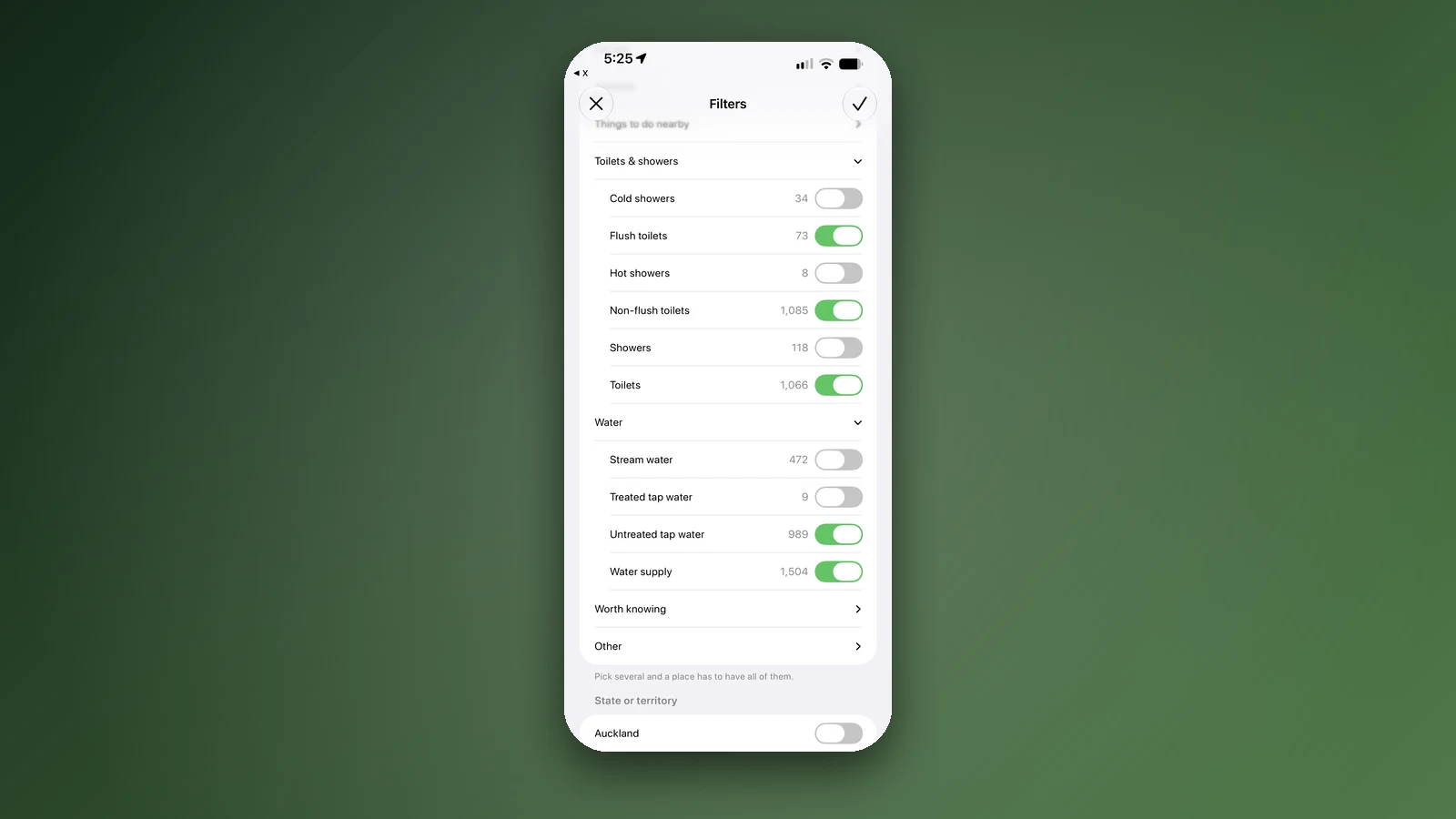
- Filter for toilets and water
- Save a campground as a backup
- Check the council map for towns
Places along the way
Check before you go
Rules and conditions change. Recheck the official source and the page for your exact park or campground before departure.
- DOC: freedom camping
- DOC: campsite facilities and fees
- DOC: Campsite Pass
- Freedom Camping Act 2011 (legislation.govt.nz)
- Freedom Camping (Penalties for Infringement Offences) Regulations 2023
- PGDB: self-contained vehicles, private vehicle owners
- Jucy: Crib campervan
- Wicked Campers New Zealand
- Travellers Autobarn: New Zealand campervan hire FAQs
Common questions
Can I freedom camp in a tent in New Zealand?+
The Act's definition covers tents as well as vehicles, so the same 200 m rules apply. Whether you may pitch depends on the council's bylaw, DOC's notice for the area and whether the land is conservation land, so check before you pitch.
Do I need a self-contained vehicle to camp on council land?+
For a vehicle, yes: you can freedom camp on public land only if the vehicle is certified self-contained with a green warrant, unless the site is designated for non-self-contained vehicles. The fine is $400 on council land otherwise.
Is a tent cheaper than a campervan to camp?+
At DOC campsites the fee is per person, so the same for a tent or a van. A tent avoids the cost of a van or its green warrant, but cannot use council land reserved for self-contained vehicles.
How much does a green warrant cost?+
A $120 levy including GST plus the certifier's own inspection fee, which is not published centrally. The vehicle needs a toilet fixed in it, and the warrant lasts 4 years.