There is no single best month for the whole country, because New Zealand spans a long way north to south and most of its weather is decided by altitude and which coast you are on. Choosing when to go is mostly about deciding what you are willing to trade: warmth against crowds, quiet against daylight, or scenery against certainty.
Summer: daylight, and everyone else
December to February brings long evenings, warm coastal swimming and the broadest availability of open campgrounds and services. It is also when the country goes on holiday itself. Between Christmas and late January, popular coastal sites fill by early afternoon, ferries and rentals sell out, and prices climb sharply.
Book the nights that are genuinely hard to replace (the ferry, Great Walks, beach-town holiday parks) and leave ordinary stops flexible. Note that summer does not mean warm everywhere: alpine nights stay cold, and fire restrictions and water shortages are most likely in exactly this window.
- Book ferries and beach towns early
- Alpine nights stay cold in summer
- Fire restrictions peak in summer
Autumn: the quiet favourite
March and April are, for many people who travel here regularly, the best compromise. Settled spells are common, the light is excellent, campgrounds are open but no longer full, and prices drop once school holidays end. Central Otago in particular is at its best as the poplars turn.
The trade-off is shortening daylight and cooler nights, so driving days need to be a little shorter and the sleeping bag a little warmer. Some seasonal services begin closing from April onwards.
Spring and winter
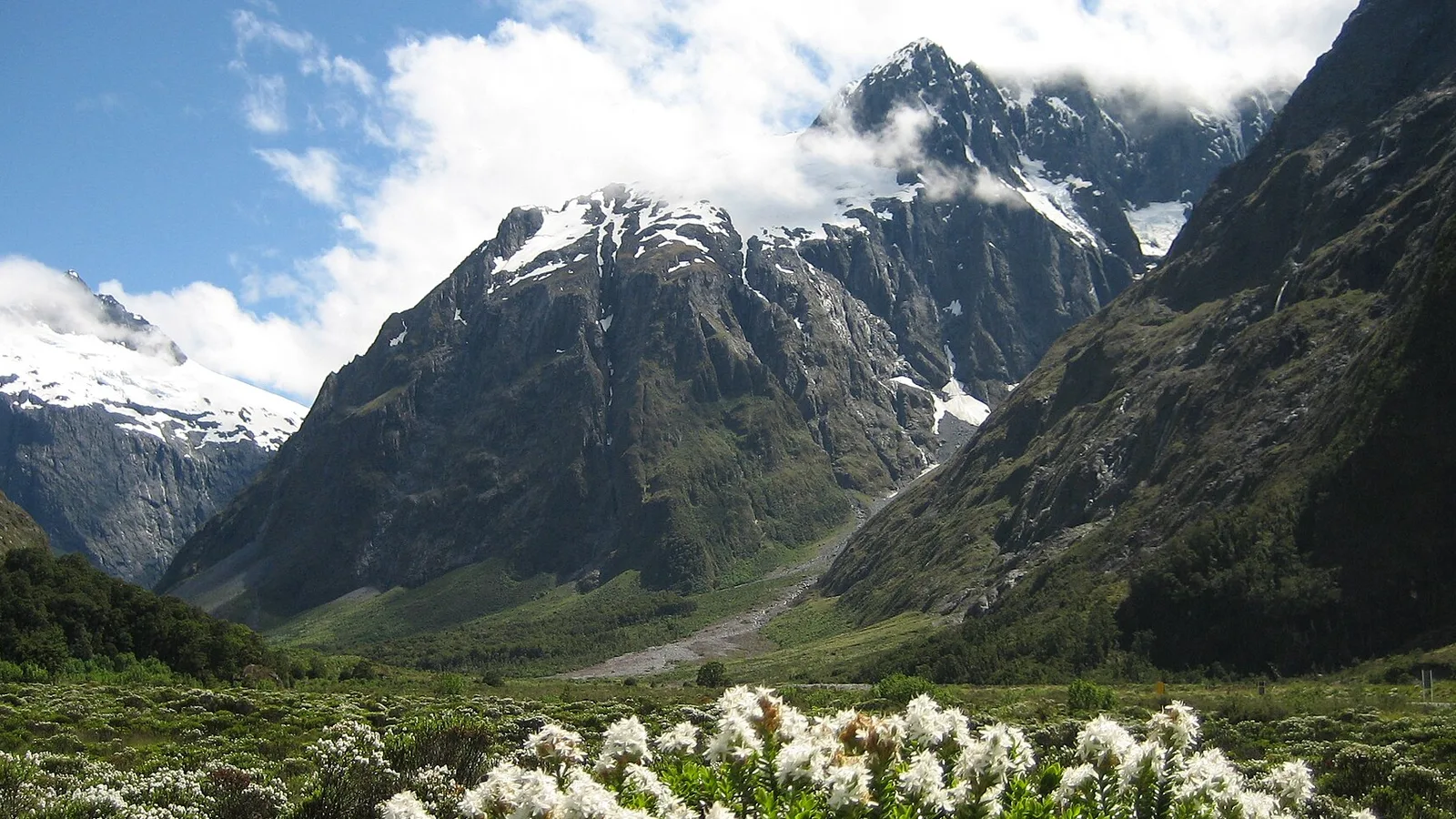
Spring brings full waterfalls, snow still on the peaks and green everywhere, but it is the least predictable season, wind and rapidly changing alpine conditions demand more caution and more flexibility. October and November can deliver a perfect week or a genuinely difficult one.
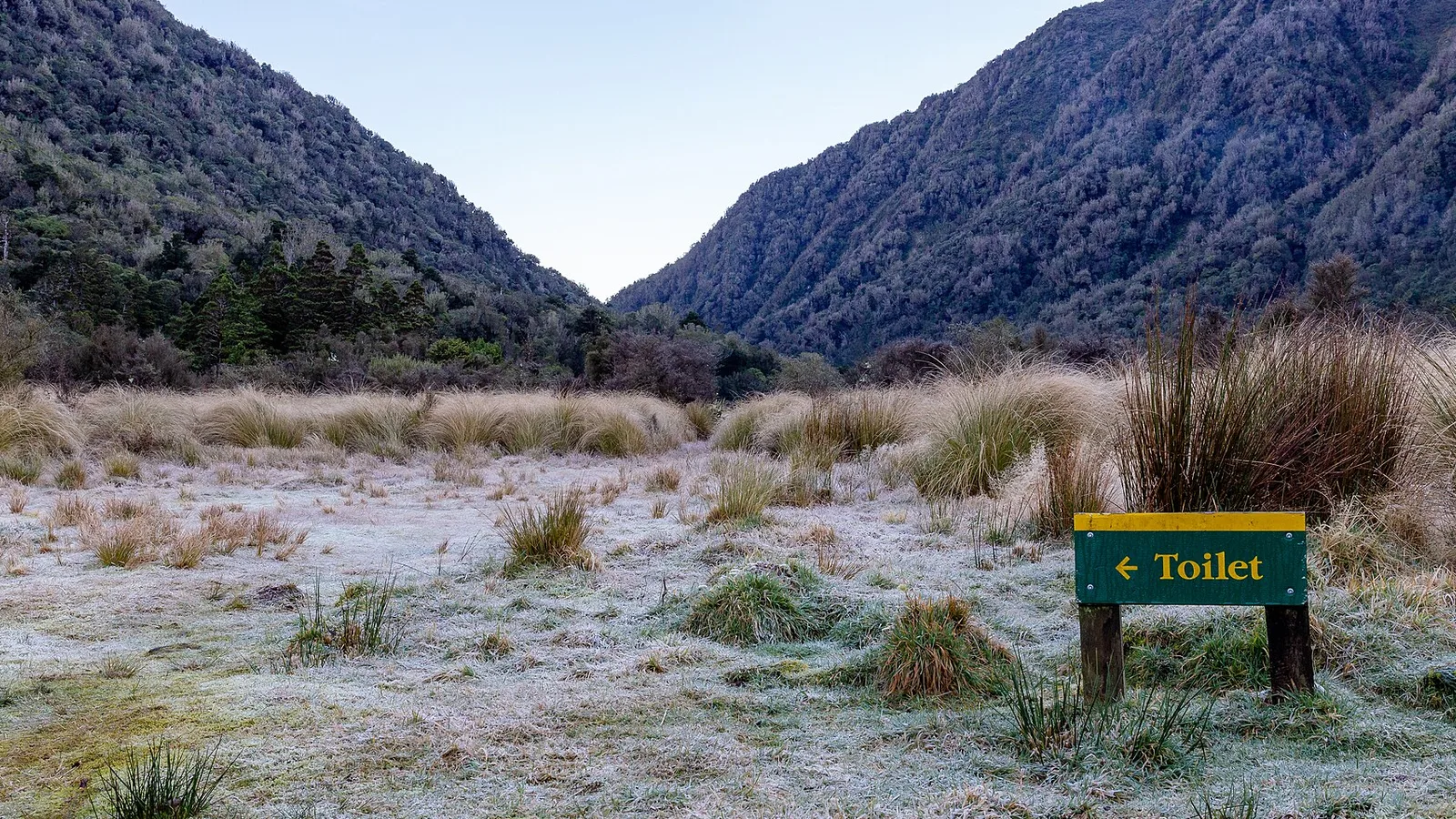
Winter is a different trip rather than a worse one. It suits ski areas, clear southern night skies and travellers properly equipped for cold. Northern lowland camping stays mild, while Central Otago, Tongariro and the alpine passes require winter driving preparation, chains and a realistic view of daylight hours. It is a poor season to improvise.
- Autumn is the best all-round compromise
- Spring is beautiful and unpredictable
- Winter needs equipment, not optimism
Sandflies: where and when
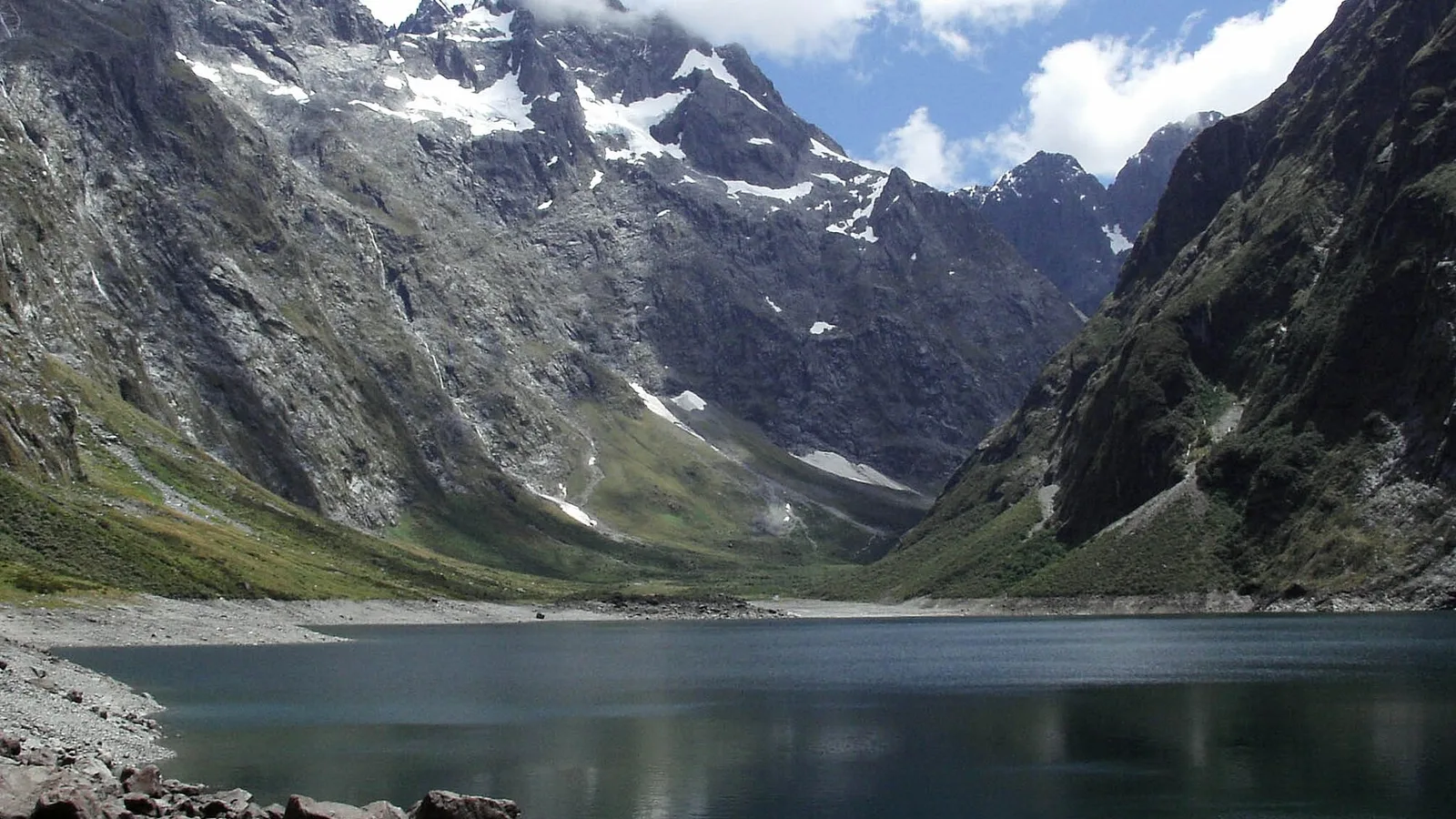
Sandflies, namu in te reo Māori, live wherever there is flowing water and bush, and two of New Zealand's 13 species bite. The West Coast and Fiordland are infamous for them, which is why the end of the Milford Track is called Sandfly Point, and beaches, lake edges and the Catlins are reliable spots too. They breed in fast-flowing streams, bite most as the light rises in the morning and fades at dusk, rarely bite in the dark, and in dull, overcast, humid weather keep biting all day.
There is no official sandfly season: in the wettest regions they are part of camping in any month, and most visitors meet them between spring and autumn, when campsites by rivers and lakes are full. An exposed, breezy pitch away from still water is usually more comfortable than a sheltered one. Bring strong repellent, cover ankles and wrists in the evening, keep the tent or van closed at dusk, and check the insect mesh before you travel. Bites can itch for days, so antihistamine cream is worth having with you rather than hunting for in a small town.
Regional timing in short
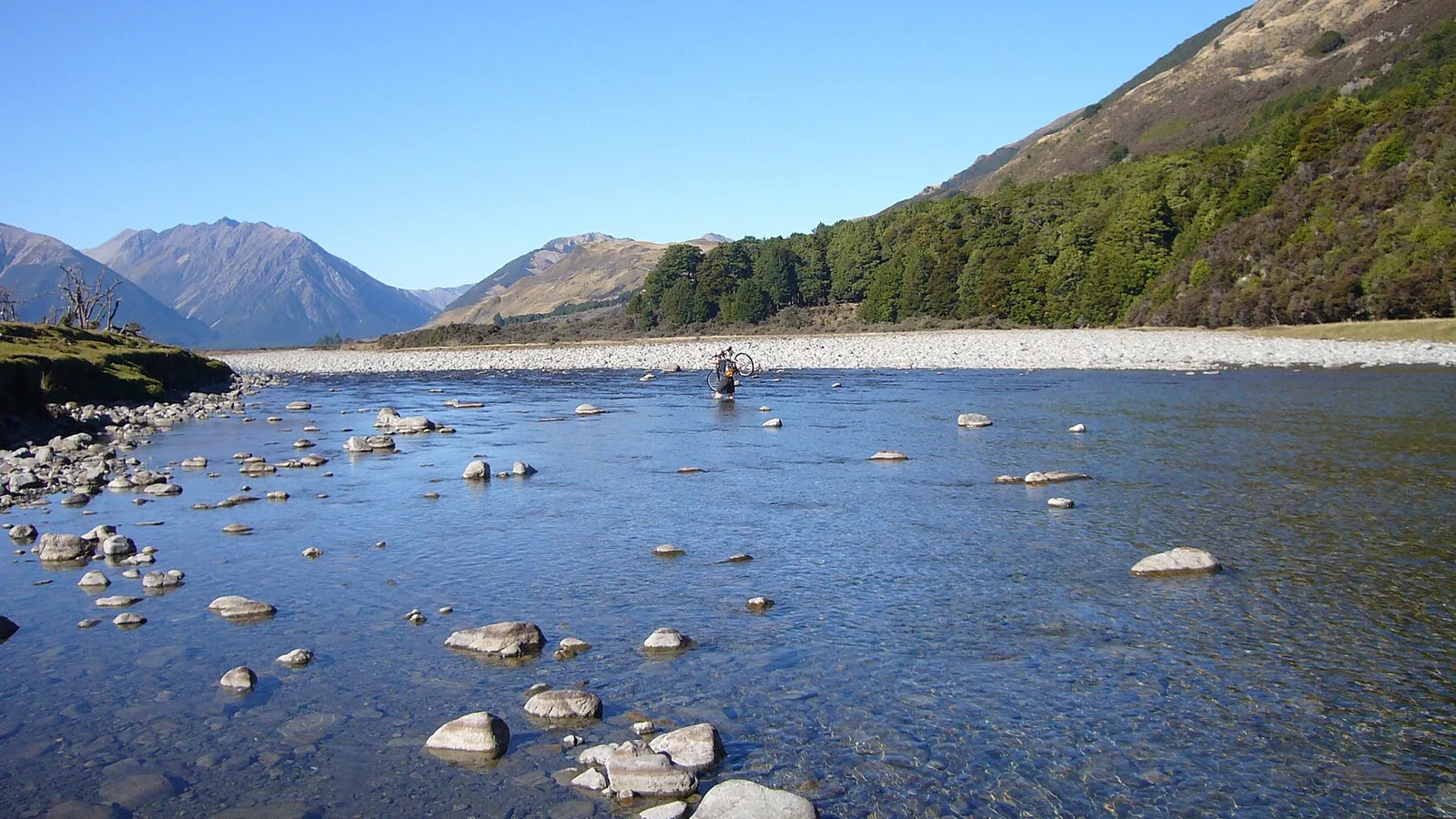
Northland and the upper North Island are pleasant from October through April and humid at the height of summer. The central plateau and Tongariro are a summer and autumn proposition unless you are equipped for alpine winter. The East Coast is driest in summer and reliably sunny in autumn.
The West Coast is wet in every season, plan for rain rather than hoping to avoid it, but rewards it with near-empty sites. The Mackenzie and Central Otago are excellent in autumn and cold and clear in winter. Fiordland is wet year-round and best approached with flexible days and no fixed expectations about seeing Milford in sunshine.
- West Coast: plan for rain in any season
- Autumn suits Central Otago best
- Fiordland needs flexible days
Reading the forecast properly
New Zealand's weather changes faster than the length of most driving days, and a forecast for a town tells you relatively little about a pass or an exposed coast twenty minutes away. Check MetService for the specific location, and check the road conditions separately, the two answer different questions.
Build the plan so that a bad forecast changes the day rather than cancelling the trip. Holding an indoor option, a shorter alternative and a serviced campground in reserve is what turns a wet week into an ordinary one.
Lugares por el camino
Comprueba antes de salir
Las normas y las condiciones cambian. Antes de salir, vuelve a mirar la fuente oficial y la página de tu parque o camping.
Preguntas frecuentes
When is the best time to camp in New Zealand?+
For most trips, March and April: settled spells, campgrounds open but no longer full, and prices down once school holidays end. December and January bring the longest days but the fullest campsites and the highest prices.
What is camping like in the New Zealand shoulder season?+
Quiet, cheap and unpredictable. October to November and April to May give you sites without booking and roads without queues, at the cost of shorter days, colder nights and a real chance of a washed-out week.
Llévatelo a la carretera
Guarda las paradas. Planifica todo el viaje.
Crea una ruta ordenada con los lugares guardados, calcula la distancia y ten las fechas, las notas y las tareas siempre a mano.