Yes, free camping is still genuinely possible across Aotearoa, and it is also the part of a trip most likely to earn a $400 infringement. The difference comes down to understanding which kinds of land allow it, whether your vehicle meets the certification standard, and following an etiquette that most travellers never think about until a council closes a site.
Free and freedom are different words
Freedom camping describes where you are, outside a formal campground, not what you pay. Most authorised freedom camping areas cost nothing, and a few require a permit arranged in advance; a site that charges a camping fee is legally a camping ground. Conversely, some of the cheapest legal nights in the country are DOC basic campsites, which are designated DOC campsites that happen to be free.
Getting this distinction right saves money and trouble. Travellers looking only for the word 'free' miss the $0 DOC sites entirely, and travellers assuming every freedom camping area is free occasionally discover a permit requirement after they have settled in.
Where a free night is actually legal
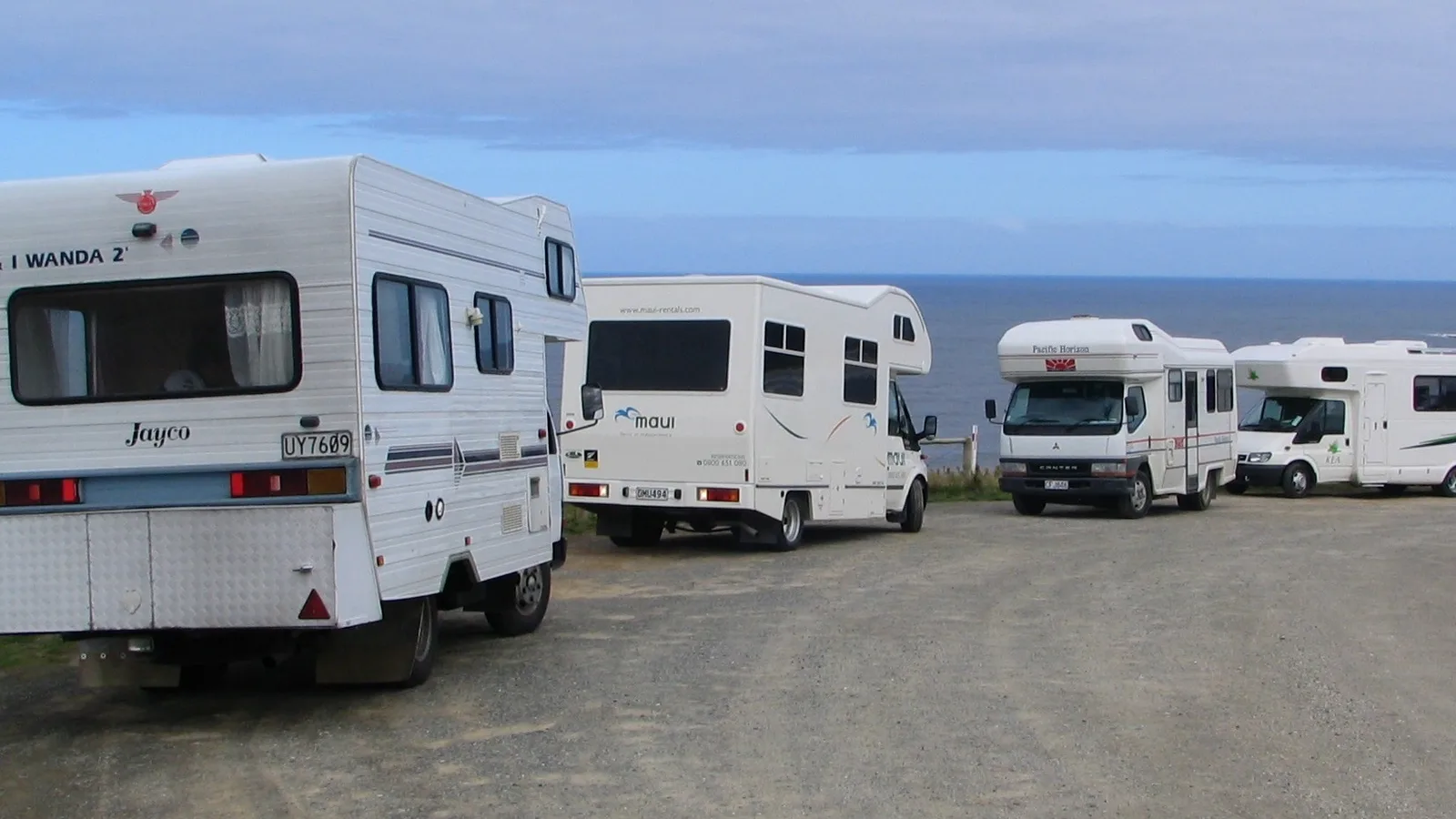
Public reserves specifically signed for freedom camping are the most reliable option, and councils publish the lists. DOC operates a substantial number of basic campsites at no charge, typically with a long-drop toilet and an untreated water source, which are ideal if you are equipped to be self-sufficient. Some communities also provide designated car parks, gravel lay-bys or showgrounds where certified vehicles can stay a night or two.
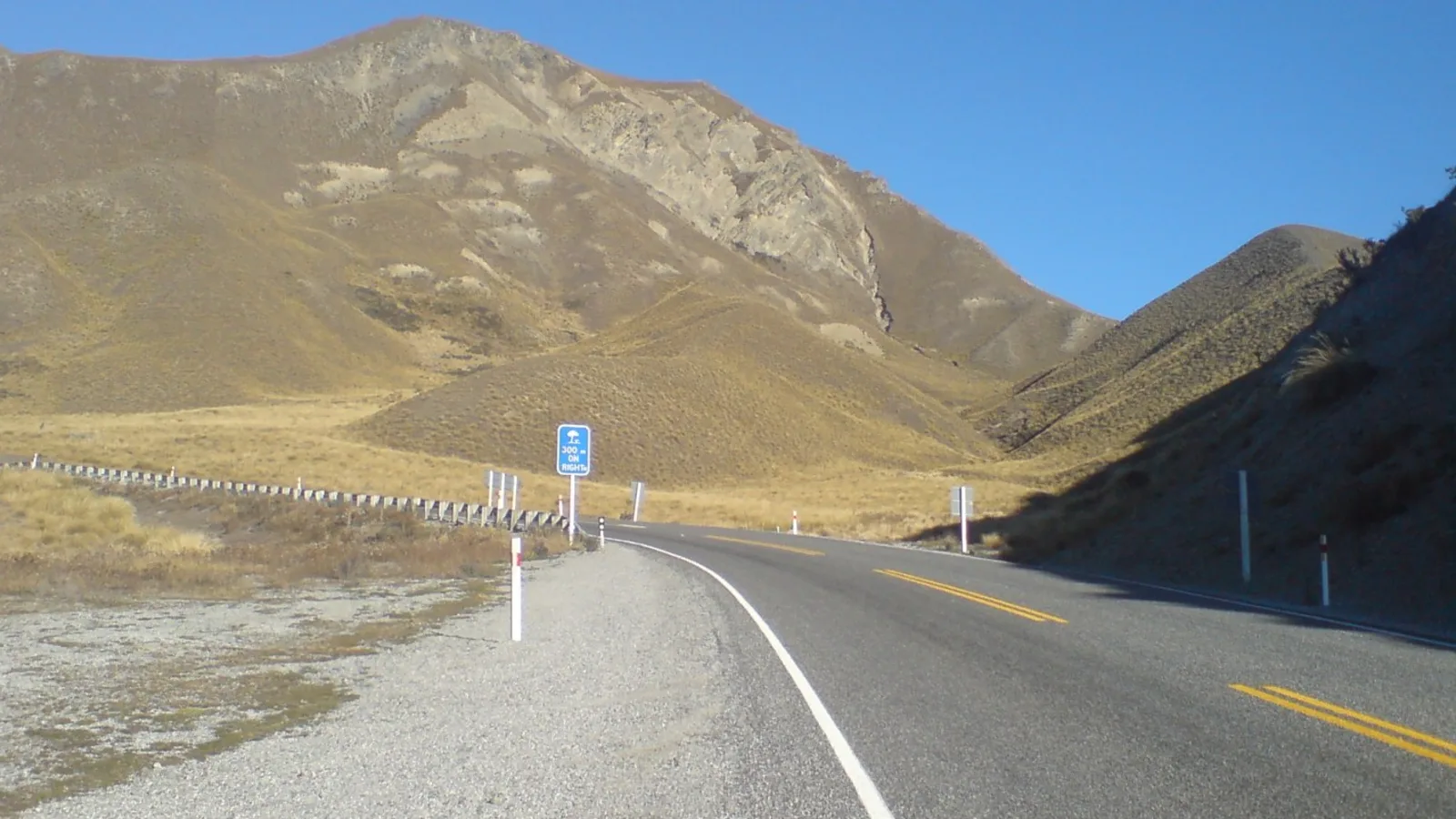
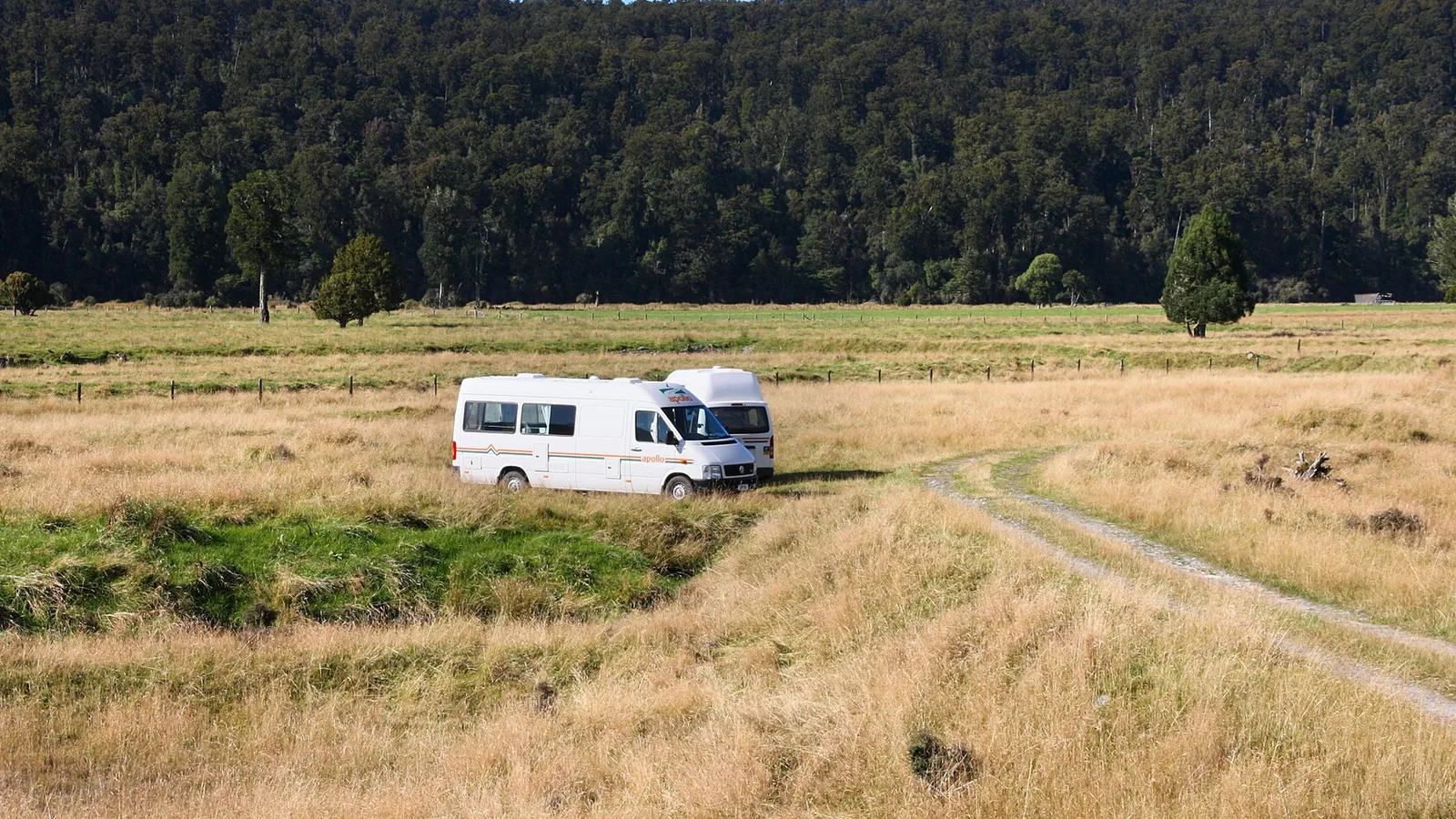
NZTA rest areas exist for driver fatigue rather than as campgrounds; a sleep break is a different thing from setting up camp, and local restrictions may still apply. Private land, a friend's paddock, a farm, a marae, counts as free camping when you have the owner's permission, which should be explicit rather than assumed. Never treat farmland or forestry roads as open by default.
- DOC basic sites are often free
- Rest areas are for fatigue breaks
- Private permission must be explicit
The certification requirement
On most public land the default is that a vehicle used for freedom camping must be certified self-contained, unless the site is designated for vehicles that are not. Only a green warrant counts: the transition ended on 6 June 2026, and since 7 June a blue warrant has not made a vehicle self-contained for freedom camping, whatever expiry date it carries. Certification requires a toilet fixed inside the vehicle, so a car or van conversion with a portable toilet does not qualify.
Camping without certification is possible: on council land, only at sites a bylaw designates for non-self-contained vehicles; on conservation land, anywhere a DOC notice does not prohibit camping or restrict it to certified vehicles. Campgrounds, holiday parks and most DOC campsites take uncertified vans too. If you are in a car, a tent or an uncertified van, plan around sites that specifically allow your setup rather than hoping a general area will do.
The restrictions you should expect
Stay limits are short, commonly two to four nights, often with arrival and departure windows, commonly park after early evening, leave by mid-morning. Noise curfews apply at most urban sites. Councils in high-demand districts such as Queenstown-Lakes patrol freedom camping sites, and officers can check a vehicle's certification on the national register by its plate.
Read the specific bylaw wording rather than a summary. Where a listing says permit required, the permit has to be arranged before you arrive, sometimes for a fee, and turning up without it is still an offence. Where it says no overnight camping, that applies regardless of how quiet or discreet you intend to be.
- Expect 1–2 night limits
- Permits must be pre-arranged
- Patrols run at dusk and dawn
Etiquette is what keeps sites open
Free camping runs on public tolerance, and sites close when that tolerance runs out. Keep the footprint small: park within the marked bay, keep awnings and chairs in unless the signage allows otherwise, arrive without ceremony and leave early. Two vehicles is a sensible maximum at an urban freedom spot, and a convoy of six will end that site for everyone.
Empty tanks at a dump station before you arrive rather than after you leave, because grey water odour is the single most common trigger for a complaint. Rotate destinations instead of settling into one spot for a week. If residents or kaumātua ask you to move on, move on courteously, the conversation that follows a refusal ends up in a council submission.
Safety, not just legality
A legal site is not automatically a good one. Prefer places with other travellers present, avoid isolated lay-bys with a single blind entrance, and think about whether you could drive out quickly if you needed to. Park facing out where the site allows it.
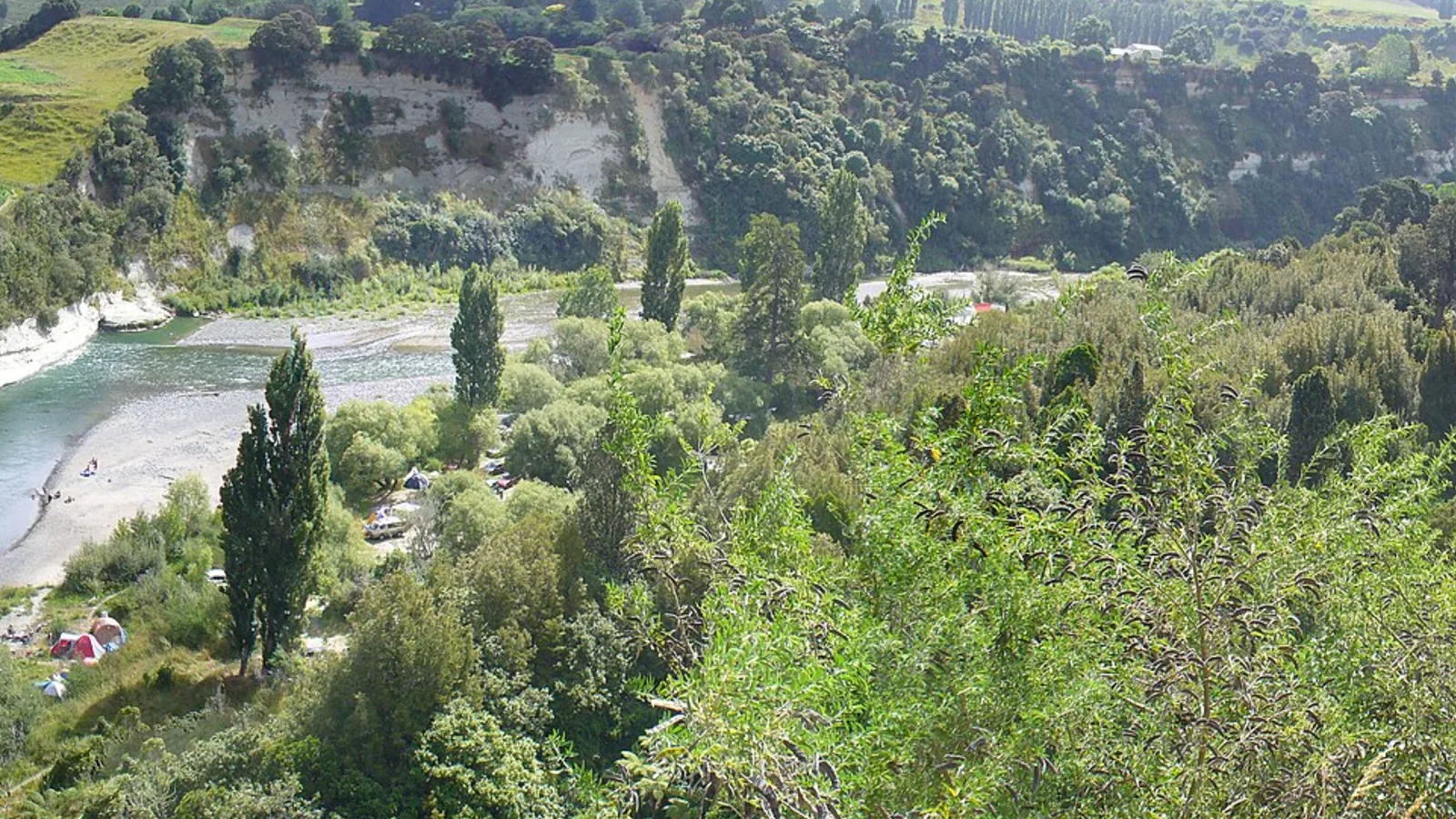
Check the forecast against the ground itself. River flats flood faster than people expect, exposed coastal car parks get uncomfortable in a southerly, and a site that is pleasant in February can be genuinely unsafe in a winter storm. Keep enough fuel to leave, and do not rely on reception being available to make that decision.
- Prefer sites with others present
- Park facing out
- River flats flood quickly
A ninety-second check before you switch off
Read the sign and confirm the stay limit, the hours and whether certification is required. Confirm your warrant is current and covers the number of people staying. Check whether waste facilities exist here or whether you need to arrive already empty.
Then look at the practical questions: is the ground firm, is anything overhead, can other vehicles get past you, and where is the nearest paid alternative if this turns out to be full or wrong. If any of those answers is unclear, the campground twenty minutes away is cheap insurance.
Luoghi lungo il percorso
Controlla prima di partire
Regole e condizioni cambiano. Prima di partire ricontrolla la fonte ufficiale e la pagina del parco o del campeggio in cui vai.
Domande frequenti
Is free camping legal in New Zealand?+
In designated areas, yes. Freedom camping is legal on council and conservation land unless a bylaw or DOC notice prohibits or restricts it, and on council land a vehicle must be certified self-contained unless the site is designated otherwise, which is why the same layby can be fine in one district and a fine in the next. The site signage is the authority, not a map.
Do you need a self-contained vehicle to camp for free?+
For a large share of free sites, yes. Many councils restrict free camping to certified self-contained vehicles, and since the 2023 changes that certification requires a fixed toilet. Without certification you are limited to council sites designated for non-self-contained vehicles, conservation land that no DOC notice restricts to certified vehicles, and campgrounds, holiday parks and most DOC campsites.
Portala con te in viaggio
Salva le tappe. Pianifica tutto il viaggio.
Crea un percorso in ordine con i luoghi salvati, calcola la distanza e tieni date, note e cose da fare legate a ogni tappa.